Introduction
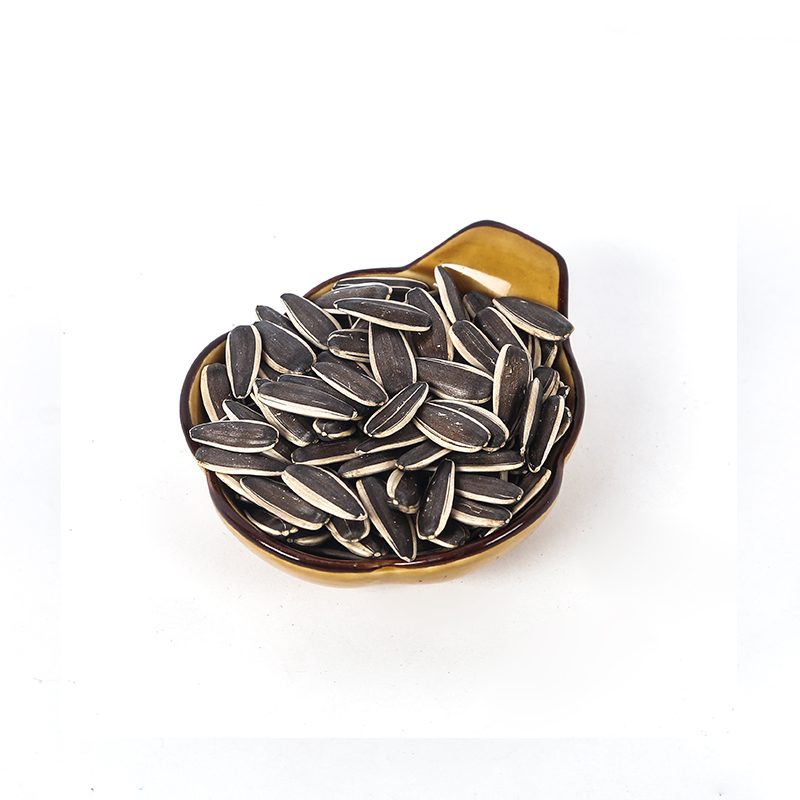
High-quality roasted sunflower seeds represent a significant segment within the broader snack food industry, demanding precise control over agricultural inputs, processing parameters, and quality assurance protocols. Sunflower seeds ( Helianthus annuus ) are positioned as a value-added product derived directly from agricultural production, undergoing a transformation from raw kernel to a palatable, shelf-stable snack. Core performance characteristics revolve around seed size consistency, roasting uniformity, flavor profile (salt content, seasoning adherence), kernel integrity (minimal broken pieces), and the absence of rancidity. The industry faces increasing pressures regarding acrylamide formation during roasting, mycotoxin contamination from agricultural sources, and consumer demand for healthier snack options with reduced sodium and fat content. This guide provides a detailed technical overview of these critical factors affecting the production of high-quality roasted sunflower seeds, covering material science, manufacturing processes, performance parameters, potential failure modes, and relevant industry standards.
Material Science & Manufacturing
The raw material, sunflower kernels, comprises primarily of lipids (40-55%), proteins (20-25%), carbohydrates (15-20%), and fiber (5-10%). Lipid composition is critical; linoleic acid is the predominant fatty acid, rendering the seeds susceptible to oxidation and rancidity. Kernel hardness, dictated by the hull’s genetic structure and the maturity stage at harvest, significantly impacts roasting uniformity and kernel breakage. Manufacturing begins with dehulling, a mechanical process requiring precise calibration to minimize damage to the kernel. Subsequent cleaning removes foreign material (stalks, leaves, stones). Roasting is the core processing step, typically performed using batch or continuous roasters employing hot air circulation. Key parameters include roasting temperature (140-180°C), roasting time (20-40 minutes, dependent on seed size and moisture content), and airflow rate. Temperature control is paramount to achieving optimal flavor development while mitigating acrylamide formation. Post-roasting, seeds are often seasoned with salt and flavorings applied via tumbling or spraying. Finally, seeds are cooled and packaged in moisture-barrier materials to prevent staling and rancidity. Critical parameter control during roasting involves monitoring kernel moisture content (aiming for 2-3% post-roast), water activity (below 0.6), and peroxide value (a measure of lipid oxidation).
Performance & Engineering
Performance assessment centers on several key engineering principles. Firstly, heat transfer analysis is critical during roasting, ensuring uniform temperature distribution throughout the seed mass to prevent localized scorching or under-roasting. This requires optimized roaster design and airflow dynamics. Secondly, mechanical stress analysis is important during dehulling and handling to minimize kernel breakage. Kernel strength, measured using a fracture resistance test, correlates directly with processing damage. Thirdly, barrier properties of the packaging material are crucial for maintaining product quality. Oxygen transmission rate (OTR) and water vapor transmission rate (WVTR) must be minimized to prevent oxidative rancidity and moisture absorption, respectively. Shelf life modeling, based on kinetic studies of lipid oxidation and moisture gain, allows for accurate prediction of product stability under varying storage conditions. Compliance with food safety regulations (see Section 7) necessitates hazard analysis and critical control points (HACCP) implementation throughout the process, including monitoring for mycotoxins (aflatoxins, ochratoxins) and ensuring proper sanitation protocols. Furthermore, consideration must be given to the thermal properties of the seeds; specifically, their specific heat capacity and thermal conductivity influence the roasting process and the energy efficiency of the operation.
Technical Specifications
| Parameter | Unit | Specification | Test Method |
|---|---|---|---|
| Moisture Content | % (wt/wt) | 2.0 – 3.0 | AOAC 925.10 |
| Kernel Integrity (Broken Kernels) | % (wt/wt) | ≤ 5.0 | Visual Inspection |
| Peroxide Value (PV) | meq O₂/kg | ≤ 5.0 | AOCS Cd 8-53 |
| Salt Content | % (wt/wt) | 0.8 – 1.2 (Adjustable) | AOAC 935.47 |
| Water Activity (Aw) | - | ≤ 0.60 | Water Activity Meter |
| Acrylamide Content | µg/kg | ≤ 100 (Regulatory Limit Varies by Region) | HPLC-MS/MS |
Failure Mode & Maintenance
Common failure modes include rancidity due to lipid oxidation, resulting in off-flavors and reduced shelf life. This is accelerated by exposure to oxygen, light, and high temperatures. Kernel breakage during dehulling or roasting leads to increased dust formation and reduces product aesthetic appeal. Excessive roasting can cause scorching and acrylamide formation, compromising product safety. Moisture absorption post-roast results in staling and loss of crispness. Mycotoxin contamination, originating from the raw material, poses a significant health hazard. Maintenance strategies involve regular cleaning and inspection of processing equipment to prevent mechanical damage and contamination. Roaster temperature calibration and airflow adjustment are critical for maintaining roasting uniformity. Proper packaging with effective moisture and oxygen barriers is essential for preserving product quality. Implementation of a robust quality control program, including regular testing for peroxide value, moisture content, and mycotoxins, is crucial. Preventive maintenance schedules for dehulling equipment, including blade replacement and alignment, minimize kernel breakage. Regular inspection of seals and gaskets on packaging equipment prevents oxygen ingress.
Industry FAQ
Q: What are the primary factors contributing to rancidity in roasted sunflower seeds?
A: Rancidity is primarily caused by the oxidation of unsaturated fatty acids, particularly linoleic acid, present in sunflower seed oil. Factors accelerating oxidation include exposure to oxygen, light, elevated temperatures, and the presence of metal catalysts. Controlling these factors through appropriate packaging (oxygen barrier films), storage conditions (cool, dark environment), and minimizing processing temperatures is crucial for preventing rancidity.
Q: How can acrylamide formation be minimized during the roasting process?
A: Acrylamide formation is a complex chemical reaction between reducing sugars (glucose, fructose) and asparagine, an amino acid, at high temperatures. Minimizing acrylamide requires precise temperature control during roasting, avoiding excessive temperatures (generally below 180°C). Optimizing roasting time and ensuring uniform heat distribution also contribute to reducing acrylamide levels.
Q: What are the acceptable limits for mycotoxin contamination in sunflower seeds, and how is it monitored?
A: Acceptable limits for mycotoxins, particularly aflatoxins and ochratoxins, vary by regulatory region (e.g., EU, FDA). Generally, total aflatoxin levels are limited to a few parts per billion (ppb). Monitoring is conducted through laboratory analysis using techniques such as ELISA or HPLC-MS/MS. Raw material sourcing from reputable suppliers with robust quality control systems is essential.
Q: What is the significance of water activity (Aw) in determining the shelf life of roasted sunflower seeds?
A: Water activity (Aw) represents the amount of unbound water available for microbial growth and chemical reactions. Lowering Aw inhibits microbial spoilage and slows down oxidation reactions. Maintaining an Aw below 0.60 is generally recommended for roasted sunflower seeds to ensure a stable shelf life. This is achieved through proper roasting and moisture-barrier packaging.
Q: How does kernel hardness impact the roasting process and final product quality?
A: Kernel hardness influences roasting uniformity and susceptibility to breakage. Harder kernels require longer roasting times to achieve the desired level of doneness, potentially increasing acrylamide formation. Softer kernels are more prone to breakage during processing. Consistent kernel hardness within a batch is desirable for optimal roasting performance and product quality.
Conclusion
The production of high-quality roasted sunflower seeds necessitates a comprehensive understanding of material science, precise control over manufacturing parameters, and rigorous quality assurance protocols. Minimizing lipid oxidation, controlling acrylamide formation, and preventing mycotoxin contamination are paramount concerns. Optimizing roasting conditions, employing appropriate packaging materials, and implementing robust monitoring systems are crucial for delivering a safe, palatable, and shelf-stable product.
Future trends in the industry will likely focus on developing sunflower varieties with improved lipid profiles (higher oleic acid content for enhanced oxidative stability), implementing advanced roasting technologies (e.g., microwave-assisted roasting) to reduce acrylamide formation, and exploring novel packaging solutions with enhanced barrier properties. Continued research into the impact of processing parameters on seed quality and consumer preferences will be essential for maintaining competitiveness in the evolving snack food market.
