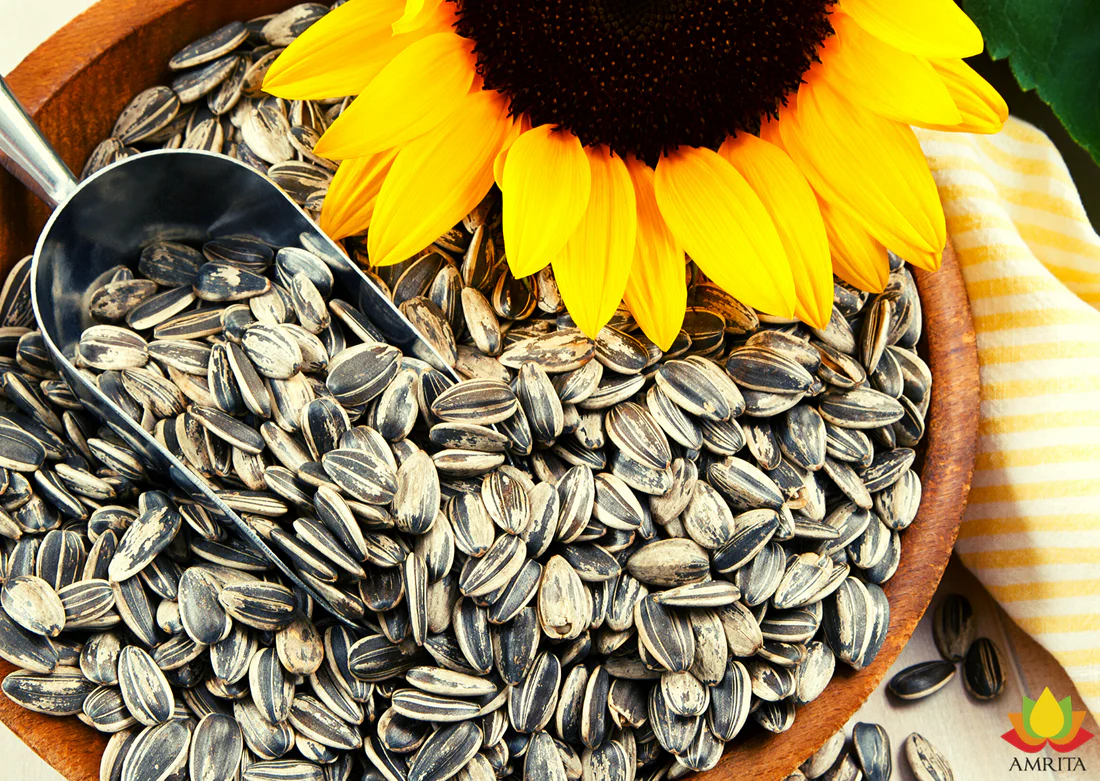
Introduction
High quality roasted unsalted sunflower seeds represent a significant segment within the broader snack food industry, positioned as a nutritious and convenient option for consumers. These seeds, derived from Helianthus annuus, undergo a carefully controlled process of cleaning, drying, roasting, and sorting to meet stringent quality standards. Their technical position in the supply chain extends from agricultural production through post-harvest processing and ultimately to consumer packaged goods. Core performance characteristics center around consistent kernel size, low moisture content, minimal shell fragments, optimal oil content, and a uniformly developed roasted flavor profile without off-flavors. The absence of salt differentiates them from heavily seasoned variants, catering to health-conscious consumers and those managing sodium intake. This guide will provide an in-depth examination of the material science, manufacturing processes, performance characteristics, potential failure modes, and relevant standards governing this product category.
Material Science & Manufacturing
Sunflower seeds consist primarily of a kernel (cotyledon) encased within a hull (pericarp). The kernel is rich in lipids (40-50% by weight), primarily linoleic acid (a polyunsaturated omega-6 fatty acid) and oleic acid (a monounsaturated omega-9 fatty acid). Protein content ranges from 20-25%, with carbohydrates accounting for approximately 15-20%. Trace amounts of vitamins (particularly Vitamin E) and minerals (magnesium, selenium, zinc) are also present. The hull is composed primarily of cellulose, hemicellulose, and lignin. Raw sunflower seeds exhibit a high moisture content (8-12%) and require drying to below 7% to prevent mold growth and ensure proper roasting. Roasting involves convective heat transfer, typically employing temperatures between 160-180°C (320-356°F). Precise temperature and dwell time control are crucial. Under-roasting results in a bland flavor and suboptimal texture, while over-roasting leads to rancidity and acrylamide formation. Critical parameters include seed moisture content (monitored using a moisture analyzer), roasting temperature (measured with thermocouples), and airflow rate. Post-roasting, seeds are cooled rapidly to arrest the cooking process and prevent further flavor degradation. Shelling (dehulling) can occur before or after roasting; mechanical dehullers are commonly used, with efficiency dependent on kernel size and hull strength. Quality control checks include visual inspection for foreign matter, kernel damage, and shell fragments, as well as laboratory analysis for oil content, moisture content, peroxide value (to assess rancidity), and acrylamide levels.

Performance & Engineering
The structural integrity of the roasted kernel is a critical performance attribute. Force analysis during handling and packaging must consider the brittle nature of the roasted seed and the potential for kernel breakage. Kernel size distribution also impacts packing density and transport efficiency. Environmental resistance is primarily focused on maintaining lipid stability and preventing oxidation. Exposure to oxygen, light, and heat accelerates rancidity, leading to off-flavors and reduced shelf life. Packaging materials with low oxygen transmission rates (OTR) are therefore essential. Moisture content is also a key factor; increased humidity can promote mold growth and cause the seeds to lose their crispness. Compliance requirements vary by region but generally include regulations related to food safety (HACCP, GMP), contaminant levels (heavy metals, pesticides), and labeling accuracy. Functional implementation centers on the snack food application. The roasted seeds must exhibit a desirable crunchiness and mouthfeel, and the flavor profile must be appealing to consumers. Particle size distribution also impacts textural properties. The seed's inherent oil content contributes to a pleasant mouth coating effect. Further engineering considerations involve packaging design to minimize breakage during transport and handling, and optimized storage conditions to preserve product quality.
Technical Specifications
| Parameter | Unit | Specification | Test Method |
|---|---|---|---|
| Moisture Content | % (w/w) | ≤ 7.0 | AOAC 925.10 |
| Oil Content | % (w/w) | 40-50 | SOXHLET Extraction (AOAC 920.39) |
| Peroxide Value | meq O2/kg | ≤ 5.0 | AOCS Cd 8-53 |
| Free Fatty Acids (as oleic acid) | % (w/w) | ≤ 0.5 | AOCS Cd 3-63 |
| Kernel Size (average diameter) | mm | 8-12 | Sieve Analysis |
| Broken Kernels/Foreign Matter | % (w/w) | ≤ 2.0 | Visual Inspection |
Failure Mode & Maintenance
Common failure modes for roasted unsalted sunflower seeds include rancidity (oxidative degradation of lipids), kernel breakage, loss of crispness (due to moisture absorption), and contamination (by foreign matter or microorganisms). Rancidity is initiated by exposure to oxygen, light, and heat, resulting in the formation of off-flavors and a decline in nutritional value. Kernel breakage can occur during handling, processing, or transportation, reducing product appeal. Loss of crispness is caused by moisture absorption from the environment, leading to a soft and undesirable texture. Microbial contamination, such as mold growth, can occur if moisture content is not adequately controlled or if seeds are stored in humid conditions. Maintenance focuses on preventing these failures through proper storage and handling practices. Seeds should be stored in airtight containers in a cool, dry, and dark environment. Temperature control is crucial, with optimal storage temperatures below 25°C (77°F). Regular monitoring of moisture content and peroxide value is recommended to detect signs of degradation. Packaging materials should provide a barrier against oxygen, light, and moisture. First-in, first-out (FIFO) inventory management practices should be implemented to minimize storage time. Periodic inspection for signs of contamination should also be conducted.
Industry FAQ
Q: What is the significance of the peroxide value in assessing sunflower seed quality?
A: The peroxide value (PV) is a primary indicator of lipid oxidation and rancidity in sunflower seeds. It measures the concentration of peroxides, which are primary oxidation products. A higher PV indicates a greater degree of oxidation and a lower product quality. Monitoring PV during storage allows for the determination of shelf life and the identification of potential quality issues.
Q: How does the roasting process impact the acrylamide content of sunflower seeds?
A: Roasting sunflower seeds at high temperatures can lead to the formation of acrylamide, a potentially carcinogenic compound. Acrylamide formation is influenced by factors such as roasting temperature, moisture content, and roasting time. Reducing roasting temperature and optimizing moisture content can minimize acrylamide levels.
Q: What are the critical considerations when selecting packaging materials for roasted sunflower seeds?
A: Key considerations include oxygen transmission rate (OTR), water vapor transmission rate (WVTR), and light barrier properties. Packaging materials should have low OTR and WVTR to prevent rancidity and loss of crispness. Opaque materials or coatings are also important to protect the seeds from light exposure. The material must also be food grade and compliant with relevant regulations.
Q: How does kernel size distribution affect the overall quality and processing of sunflower seeds?
A: A uniform kernel size distribution is desirable for consistent roasting and packaging. Variations in kernel size can lead to uneven roasting and inconsistent texture. Sizing and grading of seeds before roasting helps to improve product quality and processing efficiency. Kernel size also influences packing density and ease of handling.
Q: What are the best practices for controlling moisture content during the entire sunflower seed processing chain?
A: Moisture control starts with proper drying of the raw seeds after harvest. During processing, minimizing exposure to humidity is crucial. Airtight storage containers and desiccants can help maintain low moisture levels. Regular monitoring of moisture content using a calibrated moisture analyzer is essential. Maintaining a low moisture content prevents mold growth, preserves crispness, and extends shelf life.
Conclusion
Roasted unsalted sunflower seeds, while seemingly simple, represent a product underpinned by complex material science and tightly controlled manufacturing processes. Achieving consistently high quality demands careful attention to seed selection, roasting parameters, moisture control, and packaging. The inherent susceptibility of unsaturated lipids to oxidation necessitates proactive measures to minimize exposure to oxygen, light, and heat. Proper monitoring of key parameters – moisture content, oil content, peroxide value – is critical for ensuring product safety, maintaining desirable sensory attributes, and extending shelf life.
Looking forward, advancements in packaging technology, such as the development of barrier films with even lower OTR and WVTR, will further enhance product preservation. Research into novel antioxidant compounds that can be incorporated into the roasting process or packaging materials may offer additional protection against rancidity. Continued adherence to stringent quality control standards and regulatory compliance will be paramount for maintaining consumer trust and market competitiveness.
