Introduction
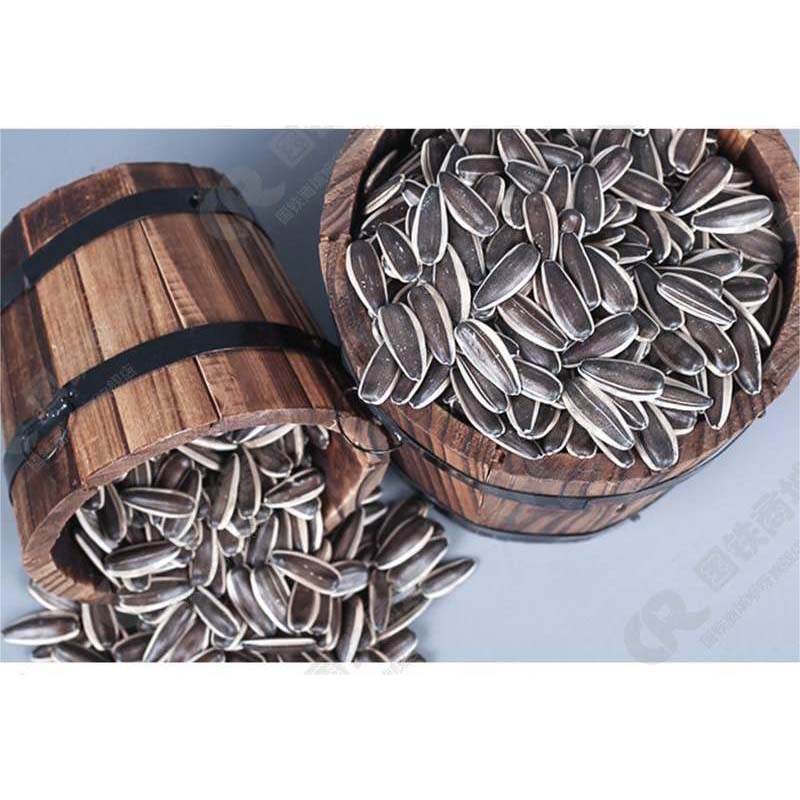
Roasted sunflower seeds with shell represent a significant segment of the snack food industry, occupying a niche between convenience and nutritional value. These seeds, Helianthus annuus, are not merely a casual snack; their quality is dictated by rigorous parameters encompassing seed variety, cultivation practices, processing methodologies, and adherence to food safety regulations. The process begins with selecting high-oleic sunflower varieties to maximize shelf life and minimize rancidity. Following harvest, seeds undergo cleaning, grading, dehulling (in some cases, although the focus here is shell-on), roasting, and seasoning. Critical performance indicators for high-quality roasted sunflower seeds include kernel size, moisture content, oil content, shell integrity, roasting uniformity, and flavor profile. This guide provides an in-depth technical analysis of these parameters, covering material science, manufacturing processes, performance characteristics, potential failure modes, and relevant industry standards. The increasing consumer demand for healthy and natural snacks drives the need for consistent, high-quality production of roasted sunflower seeds with shell.
Material Science & Manufacturing
The fundamental material science governing roasted sunflower seed quality originates with the composition of the seed itself. Sunflower seeds are approximately 35-55% oil, primarily linoleic acid and oleic acid, with varying ratios depending on the cultivar. Protein content typically ranges from 18-25%, alongside carbohydrates (15-20%) and dietary fiber (5-10%). The shell, or pericarp, is composed of cellulose, hemicellulose, and lignin, providing structural integrity and protection for the kernel. Manufacturing commences with seed selection, emphasizing high oil content and minimal foreign material. Cleaning removes debris, dust, and damaged seeds. Roasting is the critical processing step, typically employing dry roasting, oil roasting, or air roasting methods. Dry roasting, using heated air, necessitates precise temperature and time control (typically 120-160°C for 15-30 minutes) to achieve optimal roasting without burning. Oil roasting, employing a heated oil medium, enhances flavor development but requires careful oil management to prevent excessive oil absorption. Air roasting provides a more even heat distribution, minimizing scorching. Seasoning follows, introducing salt, flavors, or coatings. Parameter control is paramount: moisture content must be reduced to below 8% to inhibit microbial growth; oil content must be optimized for flavor and texture; and shell integrity must be maintained to prevent kernel loss during handling. Control of Maillard reaction products during roasting is key to flavor development and color.
Performance & Engineering
Performance characteristics of roasted sunflower seeds are fundamentally linked to mechanical properties and chemical stability. Shell strength, measured via fracture resistance, is critical for withstanding handling and transportation stresses. Kernel hardness, influenced by protein content and roasting degree, impacts texture and chewability. Force analysis reveals that excessive roasting leads to brittleness, while insufficient roasting results in a rubbery texture. Environmental resistance is primarily concerned with moisture absorption and oxidation. The oil content makes the seeds susceptible to rancidity, driven by lipid oxidation initiated by light, heat, and oxygen exposure. Packaging plays a crucial role in mitigating these effects, utilizing barrier materials to minimize oxygen transmission rate (OTR) and moisture vapor transmission rate (WVTR). Compliance requirements include adherence to food safety standards (HACCP, GMP) and labeling regulations (nutritional information, allergen declarations). Furthermore, shelf life studies, employing accelerated aging techniques, are essential to determine product stability under varying storage conditions. Flavor stability is assessed through sensory panels and volatile compound analysis using gas chromatography-mass spectrometry (GC-MS). The engineering of packaging also addresses crush resistance to preserve kernel integrity during distribution.
Technical Specifications
| Parameter | Unit | Specification (High Quality) | Test Method |
|---|---|---|---|
| Moisture Content | % | ≤ 8.0 | AOAC 925.10 |
| Oil Content | % | 48 – 58 | AOAC 920.85 |
| Kernel Size (Average) | mm | 10 – 14 | Sieve Analysis |
| Shell Integrity (Broken Kernels) | % | ≤ 3.0 | Visual Inspection |
| Peroxide Value (PV) | meq O2/kg | ≤ 5.0 | AOCS Cd 8-53 |
| Aw (Water Activity) | - | ≤ 0.60 | Water Activity Meter |
Failure Mode & Maintenance
Failure modes in roasted sunflower seeds with shell manifest in several ways. Rancidity, as previously noted, is a primary concern, resulting from lipid oxidation and detectable by off-flavors and increased peroxide value. Shell cracking or breakage leads to kernel loss and reduced product appeal. Hygroscopic behavior (moisture absorption) can induce microbial growth, resulting in mold or off-odors. Non-uniform roasting creates textural inconsistencies – some kernels may be under-roasted and chewy, while others are burnt and brittle. Delamination, though less common in shell-on seeds, can occur in the shell structure itself due to excessive heat or rapid cooling. Maintenance strategies center on proper storage conditions. Seeds should be stored in airtight containers, shielded from light, and maintained at cool temperatures (below 25°C). Regular monitoring of peroxide value and moisture content is crucial for assessing product stability. Packaging materials should be selected for their barrier properties and ability to protect against light and oxygen. Quality control during roasting, including precise temperature control and continuous monitoring of moisture loss, is paramount to preventing defects. Implementing a First-In, First-Out (FIFO) inventory management system minimizes the duration of storage and reduces the risk of rancidity.
Industry FAQ
Q: What is the optimal oil content for maximizing both flavor and shelf life in roasted sunflower seeds?
A: The optimal oil content generally falls between 48-58%. Higher oil content contributes to a richer flavor profile but also increases susceptibility to rancidity. Selecting high-oleic sunflower varieties, which contain a higher proportion of monounsaturated fats, significantly improves oxidative stability and extends shelf life. Controlling the roasting process to minimize oil degradation is also essential.
Q: How does the shell contribute to the overall quality and shelf life of roasted sunflower seeds?
A: The shell acts as a natural barrier, protecting the kernel from moisture absorption and oxygen exposure, thereby extending shelf life. It also provides structural support during handling and transportation, reducing kernel breakage. However, shell integrity is critical; cracked or damaged shells compromise these protective functions.
Q: What are the key differences between dry roasting and oil roasting, and how do they impact the final product?
A: Dry roasting utilizes heated air, resulting in a lower fat content and a crisper texture. Oil roasting, using a heated oil medium, produces a richer flavor and a softer texture due to oil absorption. Dry roasting requires more precise temperature control to prevent burning, while oil roasting necessitates careful oil management to avoid rancidity.
Q: What packaging materials are most effective at preserving the quality of roasted sunflower seeds?
A: Multi-layer films incorporating materials with low OTR and WVTR, such as metallized polyester or aluminum foil laminates, are most effective. These materials minimize oxygen and moisture ingress, preventing rancidity and maintaining texture. Proper sealing is also crucial to ensure package integrity.
Q: How frequently should peroxide value (PV) be monitored to assess product quality during storage?
A: Peroxide value should be monitored at least every three months during storage, and more frequently (e.g., monthly) for long-term storage or under adverse storage conditions. A significant increase in PV indicates the onset of rancidity and signals the need for product evaluation.
Conclusion
The production of high-quality roasted sunflower seeds with shell is a complex process governed by a nuanced interplay of material science, engineering principles, and stringent quality control measures. Maintaining optimal moisture content, controlling the roasting process to minimize lipid oxidation and maximize flavor development, and employing appropriate packaging materials are crucial for ensuring product stability and consumer acceptance. Understanding the potential failure modes and implementing proactive maintenance strategies are essential for preserving product quality throughout the supply chain.
Future advancements may focus on optimizing roasting techniques using technologies like radio frequency heating for more uniform roasting and improved energy efficiency. Exploring novel coating technologies to enhance antioxidant activity and further extend shelf life also presents promising avenues for innovation. Ultimately, a commitment to rigorous quality control, adherence to industry standards, and continuous improvement will be paramount to meeting the evolving demands of the snack food market.
