
Introduction
High quality roasted sunflower seeds represent a significant segment within the broader snack food industry, distinguished by stringent quality control measures and specific processing techniques. Positioned within the agricultural supply chain following harvesting and initial drying, they undergo a series of thermal and seasoning processes to achieve desired palatability, shelf-life, and nutritional profiles. Core performance indicators revolve around oil content, moisture levels, absence of foreign matter, kernel integrity, and sensory attributes such as flavor, texture, and color. The industry is increasingly focused on minimizing acrylamide formation during roasting and ensuring compliance with food safety regulations pertaining to mycotoxin levels. This guide will detail the material science, manufacturing processes, performance characteristics, potential failure modes, and quality control standards associated with premium roasted sunflower seeds.
Material Science & Manufacturing
The raw material, Helianthus annuus (sunflower) kernels, possesses a complex composition. Primarily, kernels are composed of 40-50% oil, primarily linoleic acid (a polyunsaturated omega-6 fatty acid) and oleic acid (a monounsaturated omega-9 fatty acid). Protein content ranges from 18-25%, with carbohydrates (primarily starch) contributing around 15-20%. The kernel hull (pericarp) provides a protective layer rich in cellulose and lignin. Moisture content in raw kernels typically ranges from 8-12%.
Manufacturing begins with kernel selection based on size, density, and absence of damage. Cleaning removes debris, foreign material, and broken kernels. A crucial step is de-hulling, which can be achieved mechanically using abrasive de-hullers or utilizing differential friction. De-hulling efficiency impacts the final product's texture and acceptability. Following de-hulling, kernels undergo a pre-heating stage to increase internal temperature for uniform roasting. Roasting is typically conducted in rotating drum roasters, fluid bed roasters, or vacuum roasters. Drum roasters utilize convective heat transfer, providing a characteristic roasted flavor. Fluid bed roasters employ hot air, resulting in more even heating but potentially less flavor development. Vacuum roasting minimizes oxidation and acrylamide formation by lowering the roasting temperature. Key parameters during roasting include temperature (140-180°C), time (20-40 minutes), and airflow. Precise control of these parameters is essential to achieve optimal color, texture, and flavor while minimizing oil rancidity and acrylamide formation. Post-roasting, seasoning is applied (salt, flavorings), followed by cooling and packaging in moisture-barrier films (typically multilayer films incorporating polyethylene, polypropylene, and aluminum foil).
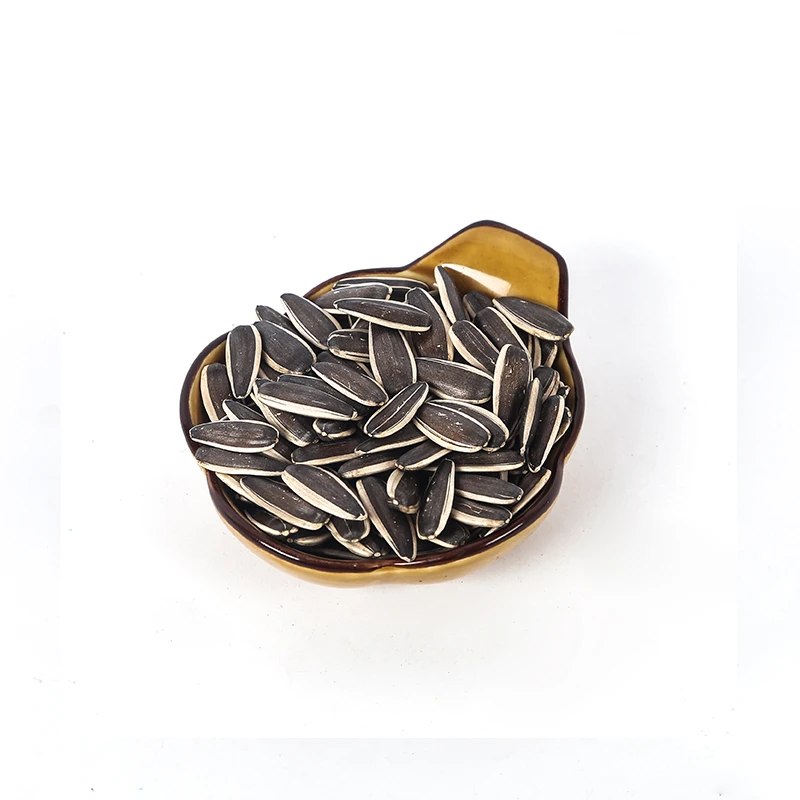
Performance & Engineering
Performance analysis focuses on several key areas. First, the shear force required to break a kernel is a critical textural parameter, indicating roast level and consumer acceptability. This is measured using a texture analyzer. Second, oil content is rigorously controlled, influencing flavor and shelf-life. High oil content can lead to rancidity, while low oil content results in a dry, less palatable product. Oil stability is assessed through Rancimat testing, measuring induction time. Third, moisture content post-roasting must be maintained below 2% to inhibit microbial growth and maintain crispness. Fourth, acrylamide levels are a significant concern, necessitating careful control of roasting parameters (temperature, time, moisture content) and the potential use of acrylamide-reducing additives. Fifth, packaging provides a critical barrier against oxygen, moisture, and light, preserving product quality and extending shelf-life. Package selection considers oxygen transmission rate (OTR) and water vapor transmission rate (WVTR), along with mechanical strength and seal integrity. Compliance requirements include adherence to FDA regulations regarding food additives, labeling, and permissible acrylamide levels, as well as international standards for food safety (HACCP, ISO 22000).
Technical Specifications
| Parameter | Unit | Typical Range (High Quality) | Testing Method |
|---|---|---|---|
| Moisture Content | % (weight) | 1.5 – 2.5 | Oven Drying (AOAC) |
| Oil Content | % (weight) | 45 – 55 | Soxhlet Extraction (AOAC) |
| Kernel Integrity (Broken Kernels) | % (weight) | < 3 | Visual Inspection |
| Acrylamide Content | µg/kg | < 100 | GC-MS (Gas Chromatography-Mass Spectrometry) |
| Peroxide Value | meq O2/kg | < 5 | Titration (AOCS) |
| Rancimat Induction Time | Hours | > 8 | Rancimat Method (AOCS) |
Failure Mode & Maintenance
Common failure modes include rancidity, evidenced by off-flavors and odors, caused by lipid oxidation. This is accelerated by exposure to oxygen, light, and elevated temperatures. Kernel breakage during processing or handling reduces product appeal and increases dust formation. Hulling damage can create bitter-tasting fragments. Moisture absorption leads to loss of crispness and potential microbial growth. Acrylamide formation, though not directly a ‘failure’ in the sense of immediate spoilage, represents a health concern and impacts product acceptability.
Preventative maintenance involves rigorous quality control of raw materials, optimized roasting parameters, effective packaging, and proper storage conditions. Regular monitoring of oil stability (Rancimat testing) and acrylamide levels is crucial. Equipment maintenance (roasters, de-hullers, packaging machines) is essential to ensure consistent product quality and minimize breakage. Storage facilities should maintain low temperatures and humidity, and packaging should provide a robust barrier against external elements. Implementation of a First-In, First-Out (FIFO) inventory system minimizes storage time and reduces the risk of rancidity. Proper cleaning and sanitation procedures throughout the processing line prevent microbial contamination.
Industry FAQ
Q: What is the primary driver behind variations in sunflower seed flavor profiles after roasting?
A: Variations in flavor profiles primarily stem from the Maillard reaction, a complex chemical reaction between amino acids and reducing sugars during roasting. The specific flavor compounds generated are heavily influenced by roasting temperature, time, and kernel moisture content. Different sunflower varieties also exhibit variations in their amino acid and sugar composition, contributing to nuanced flavor differences.
Q: How does the type of oil used in sunflower seeds impact shelf life and oxidative stability?
A: The fatty acid profile of the sunflower oil is crucial. High-oleic sunflower seeds, containing predominantly oleic acid (a monounsaturated fat), exhibit superior oxidative stability and a longer shelf life compared to linoleic-rich varieties. Linoleic acid is highly susceptible to oxidation, leading to rancidity. The presence of natural antioxidants (e.g., Vitamin E) can also contribute to improved stability.
Q: What are the critical control points for minimizing acrylamide formation during roasting?
A: Key control points include maintaining low roasting temperatures (avoiding excessive heat), minimizing roasting time, and controlling kernel moisture content (lower moisture levels generally reduce acrylamide formation). The use of reducing sugars in seasonings should also be carefully managed, as they contribute to acrylamide formation. Vacuum roasting can further minimize acrylamide formation by reducing oxygen levels.
Q: What packaging materials provide the best barrier properties for maintaining sunflower seed quality?
A: Multi-layer films combining polyethylene (PE), polypropylene (PP), and aluminum foil offer the best barrier properties. Aluminum foil provides excellent protection against oxygen and light, while PE and PP contribute to moisture resistance and mechanical strength. Metallized films (PET or PP coated with a thin layer of aluminum) offer a cost-effective alternative, providing a good oxygen barrier.
Q: What analytical methods are used to assess the quality and safety of roasted sunflower seeds?
A: Common analytical methods include moisture analysis (oven drying), oil content determination (Soxhlet extraction), peroxide value measurement (titration), Rancimat testing (oil stability), acrylamide quantification (GC-MS), and mycotoxin analysis (HPLC or ELISA). Microbial testing is also performed to ensure food safety.
Conclusion
The production of high-quality roasted sunflower seeds demands a comprehensive understanding of material science, precise control over manufacturing processes, and rigorous quality assurance procedures. Optimizing roasting parameters to balance flavor development with the minimization of undesirable compounds like acrylamide is paramount. The selection of appropriate packaging materials and adherence to stringent storage conditions are essential for preserving product quality and extending shelf life.
Future advancements may focus on novel roasting technologies (e.g., microwave-assisted roasting) to further reduce acrylamide formation and enhance energy efficiency. Breeding programs aimed at developing sunflower varieties with improved oil stability and flavor profiles will also play a crucial role in enhancing product quality. Continued research into innovative packaging materials with superior barrier properties will further contribute to the long-term preservation of this popular snack food.
