Introduction
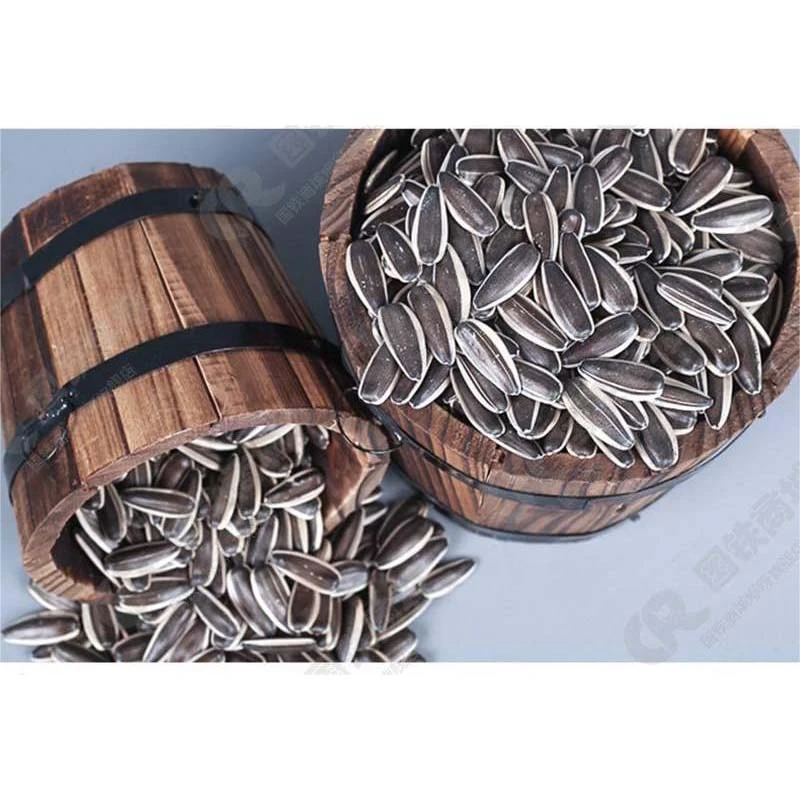
High quality roasted shelled sunflower seeds represent a significant segment within the broader snack food industry, positioned as a nutritious and palatable alternative to traditional confectionery and savory options. The manufacturing process, while seemingly straightforward, involves a complex interplay of agronomic practices, seed handling, thermal processing, and quality control measures critical to achieving optimal flavor, texture, and shelf stability. These seeds derive their technical significance from their compositional profile – a rich source of unsaturated fatty acids, protein, Vitamin E, and essential minerals. Their market position is driven by increasing consumer demand for healthier snacking choices and the versatility of the product, ranging from direct consumption to incorporation in baked goods and trail mixes. Key performance indicators center on oil content, moisture activity, peroxide value (indicating rancidity), and aflatoxin levels, dictating product grade and marketability. The global sunflower seed market is increasingly subject to stringent food safety regulations and traceability requirements, necessitating advanced process control and analytical capabilities.
Material Science & Manufacturing
The raw material, Helianthus annuus (sunflower seed), exhibits significant variability in composition based on cultivar, growing conditions, and harvesting techniques. The kernel consists primarily of 40-55% oil, 20-30% protein, 10-20% carbohydrate, and 5-10% fiber. Oil quality is paramount, with linoleic acid (a polyunsaturated omega-6 fatty acid) typically constituting 60-70% of the oil profile, alongside oleic acid. The seed hull (pericarp) is composed of cellulose, hemicellulose, and lignin, providing a protective barrier but requiring removal prior to consumption. Manufacturing commences with seed cleaning to remove foreign matter, followed by dehulling using mechanical abrasion. Kernel drying is critical, typically employing a fluidized bed dryer to reduce moisture content to approximately 8-10% to prevent mold growth during storage and roasting. Roasting, the core processing step, is achieved via hot air convection at temperatures ranging from 120-180°C, with precise control of residence time and airflow to develop the characteristic flavor and texture. Maillard reaction products contribute significantly to the roasted aroma and taste. Salt application, often via a tumbling drum, imparts flavor and enhances palatability. Finally, the seeds undergo quality inspection, packaging in moisture-barrier films (typically multilayer polypropylene or polyethylene) to maintain freshness and prevent oxidative degradation. Key parameters during roasting—temperature, humidity, airflow, and drum speed—are meticulously monitored and controlled to optimize product quality and minimize acrylamide formation.
Performance & Engineering
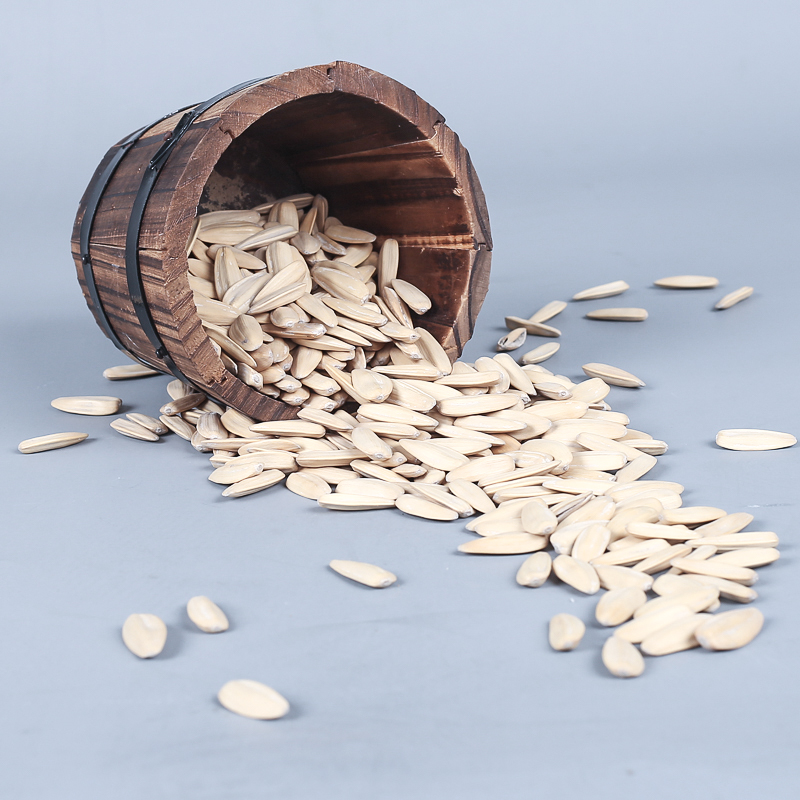
The structural integrity of the roasted kernel is a crucial performance characteristic. Force analysis reveals that the shell-less kernel exhibits brittle fracture behavior under compressive loading, with fracture strength influenced by roasting degree and moisture content. Higher roasting temperatures generally reduce fracture strength. Environmental resistance is primarily governed by moisture and oxygen permeability of the packaging material. Excessive moisture absorption leads to clumping and potential microbial growth, while oxygen ingress promotes lipid oxidation and rancidity. Barrier properties, quantified by Water Vapor Transmission Rate (WVTR) and Oxygen Transmission Rate (OTR), are critical specifications for packaging film selection. Compliance requirements pertain to food safety regulations, including those set forth by the FDA (USA), EFSA (Europe), and national food standards agencies. Aflatoxin contamination, a significant concern, necessitates adherence to stringent Good Manufacturing Practices (GMP) and regular testing using ELISA or HPLC methods. Shelf-life studies, conducted under accelerated aging conditions, predict product stability based on changes in peroxide value, free fatty acid content, and sensory attributes. Proper packaging and storage conditions (temperature <25°C, relative humidity <60%) are essential to extend shelf life and maintain product quality. Further engineering considerations include optimizing roasting drum geometry for uniform heat distribution and minimizing seed damage during handling and processing.
Technical Specifications
| Parameter | Unit | Specification (Premium Grade) | Test Method |
|---|---|---|---|
| Moisture Content | % (w/w) | ≤ 8.0 | AOAC 925.10 |
| Oil Content | % (w/w) | ≥ 50.0 | Soxhlet Extraction (AOAC 920.39) |
| Peroxide Value | meq O2/kg | ≤ 3.0 | AOCS Cd 8-53 |
| Free Fatty Acid (as oleic acid) | % (w/w) | ≤ 0.3 | AOCS Cd 3-63 |
| Aflatoxin B1 | ppb | ≤ 2 | HPLC-FLD (AOAC 999.09) |
| Kernel Broken/Damaged | % (w/w) | ≤ 3.0 | Visual Inspection |
Failure Mode & Maintenance
Common failure modes in roasted sunflower seeds include rancidity (oxidative degradation of lipids), resulting in off-flavors and odors; textural changes (loss of crispness due to moisture absorption); and microbial spoilage (mold growth). Rancidity is initiated by oxygen exposure and accelerated by high temperatures and light. Lipid peroxidation generates volatile aldehydes and ketones responsible for the rancid taste. Moisture ingress leads to clumping and provides a conducive environment for mold proliferation, particularly Aspergillus species which produce aflatoxins. Mechanical damage during processing (cracking, chipping) can expose more surface area to oxygen, accelerating oxidation. Maintenance strategies focus on preventative measures. This involves implementing robust packaging systems with high barrier properties, controlling storage temperature and humidity, employing antioxidants (e.g., Vitamin E, rosemary extract) during roasting, and adhering to strict hygiene protocols throughout the manufacturing process. Regular monitoring of peroxide value and aflatoxin levels is crucial for detecting early signs of degradation. Equipment maintenance, including cleaning and lubrication of roasting drums and dehulling machinery, is essential to minimize seed damage and ensure optimal performance. Effective pest control measures are vital to prevent insect infestation and contamination.
Industry FAQ
Q: What are the key factors influencing the development of off-flavors in roasted sunflower seeds?
A: The primary factors are oxidative rancidity due to lipid peroxidation, the Maillard reaction (which can produce undesirable compounds if not controlled), and the formation of heterocyclic compounds during roasting. Seed quality, roasting temperature and time, oxygen exposure, and the presence of residual enzymes all contribute to flavor development and potential off-flavor generation.
Q: How can we minimize the risk of aflatoxin contamination in sunflower seeds?
A: Implementing a comprehensive aflatoxin control program is essential. This includes sourcing seeds from reputable suppliers with established quality control systems, pre-harvest monitoring for fungal infection, proper drying and storage practices to prevent mold growth, regular testing of raw materials and finished products, and adherence to GMP guidelines throughout the manufacturing process.
Q: What role does packaging play in maintaining the quality of roasted sunflower seeds?
A: Packaging provides a critical barrier against moisture, oxygen, and light, all of which contribute to degradation. Multilayer films with high barrier properties (low OTR and WVTR) are essential to extend shelf life and preserve freshness. Vacuum or modified atmosphere packaging can further reduce oxidation rates.
Q: What is the optimal moisture content for roasted sunflower seeds, and how is it controlled?
A: The optimal moisture content is typically between 8.0% and 9.0%. It is controlled through proper drying of the kernels prior to roasting, and by utilizing moisture-barrier packaging to prevent re-absorption. Monitoring moisture content during processing using moisture analyzers is critical.
Q: How does the roasting process impact the nutritional value of sunflower seeds?
A: Roasting can lead to some loss of heat-sensitive nutrients like Vitamin E, but it also enhances the bioavailability of certain nutrients by breaking down cell walls. The overall nutritional value is generally well-preserved with optimized roasting parameters. It is important to minimize the formation of harmful compounds like acrylamide through careful temperature and time control.
Conclusion
The production of high-quality roasted shelled sunflower seeds is a complex undertaking requiring a deep understanding of material science, process engineering, and food safety principles. Maintaining optimal oil quality, controlling moisture content, and preventing oxidative degradation are paramount to delivering a product with superior flavor, texture, and shelf life. Adherence to stringent quality control measures and compliance with relevant food safety regulations are non-negotiable.
Future advancements in sunflower seed processing will likely focus on innovative roasting technologies (e.g., microwave or infrared roasting) to improve energy efficiency and product quality, as well as the development of more sustainable packaging materials with enhanced barrier properties. Furthermore, employing predictive modeling based on process parameters can help optimize roasting profiles and minimize the formation of undesirable compounds, ensuring consistent product excellence and consumer satisfaction.
