Introduction
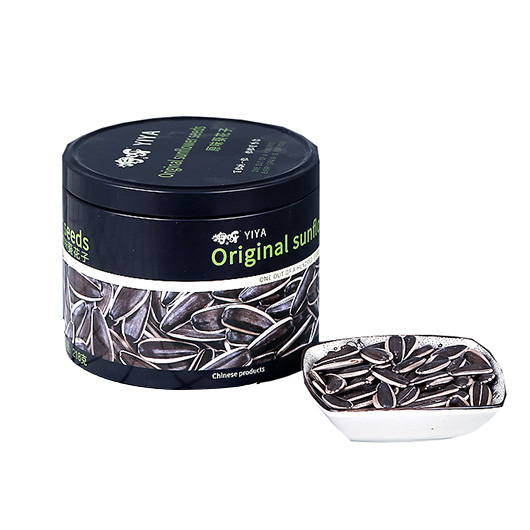
Roasted sunflower seeds represent a significant segment within the snack food industry, valued for their nutritional profile and palatability. The oven-roasting process, specifically for high-quality seeds, is a critical control point for maximizing flavor development, achieving optimal texture, and ensuring adherence to food safety standards. This guide details the science and engineering behind producing superior roasted sunflower seeds, covering material characteristics, manufacturing parameters, performance metrics, potential failure modes, and relevant industry regulations. The process, while seemingly simple, necessitates precise control over temperature, humidity, and seed variety to deliver a consistent, high-quality product. Consumer demand for healthy, convenient snack options drives the need for efficient and reproducible roasting methodologies. This document aims to provide a comprehensive technical overview for professionals involved in the sunflower seed processing industry, from procurement managers to production engineers.
Material Science & Manufacturing
Sunflower seeds (Helianthus annuus) comprise a hull (pericarp), kernel (cotyledon), and embryo. Kernel quality – oil content, protein content, and moisture content – dictates roasting behavior and final product characteristics. High-quality seeds typically possess an oil content between 42-50% (oleic and linoleic acids are predominant), 20-25% protein, and initial moisture content of 9-12%. The hull’s composition is primarily cellulose and lignin, influencing heat transfer during roasting. Manufacturing begins with seed cleaning, grading (based on size and density), and dehulling (optional, depending on end-product preference). The roasting process itself is a complex heat and mass transfer phenomenon. Convective heat transfer from the oven air to the seed surface drives internal temperature gradients. Water activity within the seed significantly impacts texture and flavor development; the Maillard reaction, responsible for the characteristic roasted flavor, is accelerated by lower water activity. Key parameters include oven temperature (typically 120-180°C), roasting time (15-45 minutes, depending on temperature and seed size), air velocity, and seed bed depth. Control of these parameters ensures uniform roasting and prevents scorching or under-roasting. Over-roasting leads to lipid oxidation and rancidity. Under-roasting results in a bland flavor and undesirable texture. Parameter control is often achieved through Programmable Logic Controllers (PLCs) integrated with temperature sensors, humidity sensors, and automated seed conveying systems. Seed pretreatment, such as blanching or pre-heating, can improve roasting uniformity and reduce processing time.
Performance & Engineering
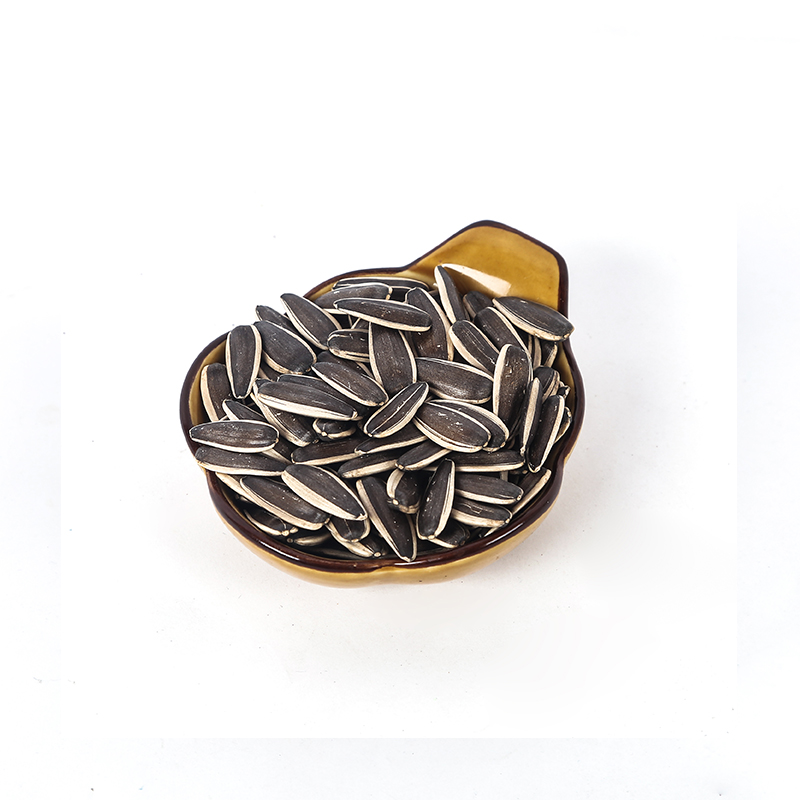
Performance assessment of roasted sunflower seeds centers on achieving desired textural properties (crunchiness, hardness), flavor profile (roasty, nutty), and color (golden brown). Texture is quantified via three-point bend testing, measuring the force required to fracture a seed. Higher force values indicate greater hardness. Flavor is assessed through sensory evaluation panels, quantifying attributes like roastiness, saltiness, and off-flavors. Color is measured using a colorimeter, reporting Lab values (lightness, redness/greenness, yellowness/blueness). Engineering considerations involve oven design for uniform heat distribution. Computational Fluid Dynamics (CFD) modeling can optimize air flow patterns to minimize temperature gradients within the oven chamber. Material selection for oven construction (stainless steel is preferred) is crucial for preventing corrosion and ensuring food-grade compliance. Mechanical engineering principles are applied to seed handling systems, minimizing breakage and ensuring consistent feed rates. Moisture migration within the seed during roasting follows Fick’s Law of Diffusion. Effective moisture removal is critical for preventing microbial growth and extending shelf life. The engineering challenge lies in balancing heat transfer to achieve desired flavor development with moisture removal to ensure product stability. Compliance with food safety regulations (see section 7) necessitates stringent control of process parameters to eliminate potential hazards like aflatoxins.
Technical Specifications
| Parameter | Unit | Typical Value | Acceptable Range |
|---|---|---|---|
| Initial Seed Moisture Content | % (wb) | 10.5 | 9.0 - 12.0 |
| Roasting Temperature | °C | 150 | 120 - 180 |
| Roasting Time | minutes | 30 | 20 - 45 |
| Seed Bed Depth | cm | 5 | 3 - 7 |
| Final Seed Moisture Content | % (wb) | 3.0 | 2.0 - 4.0 |
| Kernel Oil Content | % (db) | 48 | 42 - 52 |
Failure Mode & Maintenance
Common failure modes in roasted sunflower seed production include inconsistent roasting (resulting in under-roasted or scorched seeds), lipid oxidation (leading to rancidity), hull cracking (affecting appearance and texture), and kernel breakage (reducing yield). Inconsistent roasting is often attributed to temperature fluctuations within the oven, uneven seed distribution, or improper calibration of temperature sensors. Lipid oxidation is accelerated by high temperatures, prolonged storage, and exposure to oxygen. Rancidity is detected through sensory evaluation (off-flavors) and by measuring peroxide value (PV). Hull cracking can occur due to excessive roasting temperatures or rapid moisture loss. Kernel breakage is caused by impact during handling or improper de-hulling procedures. Maintenance procedures include regular calibration of temperature sensors and control systems, cleaning of oven chambers to remove seed debris, inspection of conveyor belts for wear and tear, and implementation of a First-In, First-Out (FIFO) inventory management system to minimize storage time. Preventative maintenance schedules should be established based on operating hours and equipment manufacturer recommendations. Regular monitoring of seed quality parameters (moisture content, oil content, PV) is essential for detecting and addressing potential issues before they escalate. Implementing a robust quality control program, including statistical process control (SPC), can identify and mitigate process variations that contribute to failure modes.
Industry FAQ
Q: What is the impact of seed variety on the roasting process?
A: Seed variety significantly impacts roasting parameters. Varieties with thicker hulls require longer roasting times and higher temperatures. Varieties with higher oil content are more susceptible to lipid oxidation and may require lower roasting temperatures to prevent rancidity. Different varieties also exhibit varying moisture absorption characteristics, influencing drying rates during roasting.
Q: How do you control the development of acrylamide during roasting?
A: Acrylamide formation is a concern during high-temperature roasting. Controlling roasting temperature and time is crucial; lower temperatures and shorter roasting times minimize acrylamide formation. Maintaining seed moisture content within optimal ranges and avoiding excessive sugar addition (if any) also help reduce acrylamide levels. Regular monitoring for acrylamide content is recommended.
Q: What are the key considerations for scaling up a roasting operation?
A: Scaling up requires careful consideration of heat transfer limitations. Larger ovens may exhibit temperature gradients, necessitating improved air circulation and temperature control systems. Seed handling capacity must be increased to maintain consistent feed rates. Process control systems should be automated to ensure reproducibility. Thorough testing and validation are essential before full-scale production.
Q: How does humidity control affect the roasting process?
A: Humidity control is critical for optimizing moisture removal during roasting. Lower humidity levels promote faster drying rates, but excessively low humidity can lead to hull cracking. Maintaining optimal humidity levels (typically 30-50% RH) ensures uniform moisture removal and prevents defects.
Q: What are the best practices for preventing rancidity in roasted sunflower seeds?
A: Preventing rancidity involves minimizing exposure to oxygen, light, and heat. Packaging in airtight, opaque containers is essential. Adding antioxidants (e.g., vitamin E) can help inhibit lipid oxidation. Storing roasted seeds in a cool, dry place extends shelf life. Regular monitoring of peroxide value (PV) is recommended to assess rancidity levels.
Conclusion
The production of high-quality roasted sunflower seeds is a nuanced process requiring precise control of material properties, manufacturing parameters, and engineering principles. Achieving optimal texture, flavor, and shelf life relies on understanding the intricate interplay between heat and mass transfer, lipid oxidation, and seed composition. Maintaining adherence to stringent food safety regulations is paramount.
Future advancements in roasting technology will likely focus on optimizing energy efficiency, enhancing process control through advanced sensors and machine learning algorithms, and developing innovative packaging solutions to further extend shelf life and preserve product quality. Continuous monitoring of key performance indicators and a commitment to preventative maintenance are crucial for ensuring consistent, high-quality production.
