Introduction
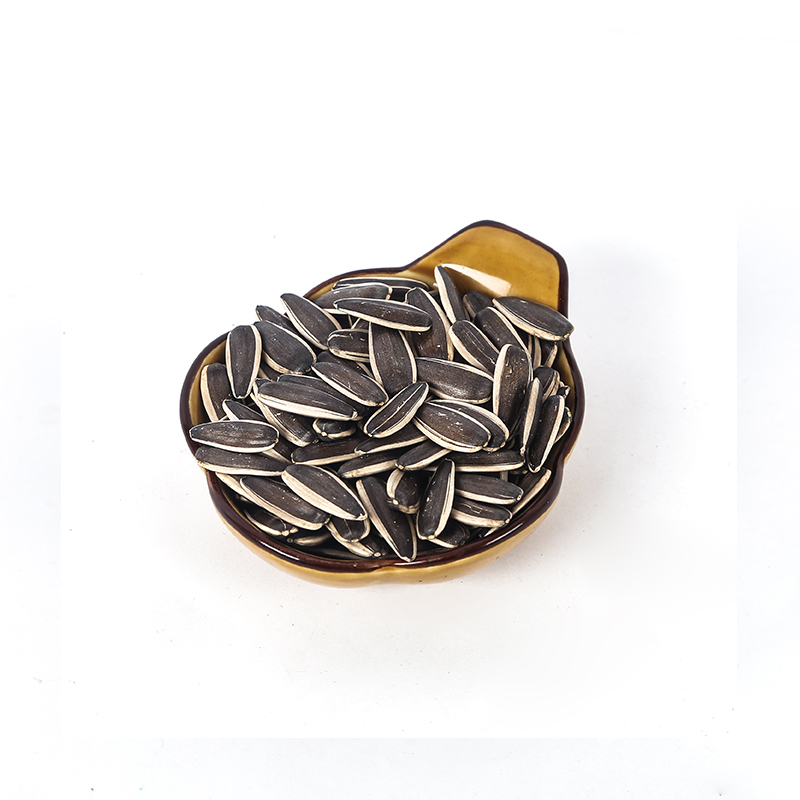
High quality red date flavor sunflower seeds represent a significant development in the processed seed snack food industry. These seeds are not merely a confectionary product; they are a carefully engineered food item undergoing precise processing to achieve a desirable flavor profile, textural quality, and extended shelf life. Positioned within the broader snack food supply chain, the product necessitates a deep understanding of sunflower seed agronomy, flavor encapsulation technologies, and food safety protocols. Core performance characteristics revolve around palatability (taste and texture), consistent flavor delivery, minimal shell fragments, acceptable moisture content for prolonged storage, and adherence to stringent food safety regulations. The appeal lies in the confluence of healthy sunflower seed properties with the appealing sweetness and aroma of red date flavoring, targeting health-conscious consumers and those seeking a novel snack experience. This guide will provide an in-depth technical examination of the materials, manufacturing processes, performance attributes, potential failure modes, and applicable standards governing the production and quality control of these sunflower seeds.
Material Science & Manufacturing
The primary raw material, sunflower seeds ( Helianthus annuus ), exhibit varying lipid content (38-58% by weight) dependent on cultivar and growing conditions. The fatty acid profile predominantly consists of linoleic acid (60-75%), oleic acid (15-30%), and palmitic acid (4-8%). Seed quality is paramount; low moisture content (<10%) at harvest is critical to minimize aflatoxin contamination (a mycotoxin produced by Aspergillus species) and prevent rancidity during storage. The red date flavoring is typically derived from jujube fruit (Ziziphus jujuba), either through direct pulp extraction, concentrated juice reduction, or synthetic flavor compounds. Key manufacturing stages include seed dehulling, cleaning (removal of foreign material), size grading, roasting (typically between 120-150°C for 15-30 minutes – impacting protein denaturation and lipid oxidation), flavor application (via spraying with a red date-derived solution or dust coating), and finally, packaging. Precise control of roasting temperature and duration is vital; under-roasting results in undesirable texture, while over-roasting induces acrylamide formation. Flavor application uniformity is achieved through optimized spray nozzle design and controlled conveyor speed. The coating material (often a combination of sugars, maltodextrin, and modified starch) must exhibit excellent adhesion to the seed surface and provide a barrier against moisture absorption. Packaging utilizes materials with low oxygen transmission rates (OTR) to preserve flavor and prevent oxidative degradation of lipids.
Performance & Engineering
The structural integrity of the coated seed is crucial for maintaining product quality during handling and transportation. Force analysis reveals that the coating provides impact resistance, preventing seed fracture and minimizing dust generation. A three-point bending test can quantify the force required to crack the seed, providing a measure of coating effectiveness. Environmental resistance is a critical factor. High humidity accelerates moisture absorption, leading to softening of the coating, flavor loss, and potential microbial growth. Water activity (Aw) must be maintained below 0.7 to inhibit microbial proliferation. Exposure to elevated temperatures can induce lipid oxidation, resulting in rancidity and off-flavors. Packaging materials with barrier properties and the inclusion of antioxidants (e.g., tocopherols, ascorbic acid) within the coating formulation mitigate these effects. Compliance requirements include adherence to food safety standards (HACCP, GMP), labeling regulations (nutritional information, allergen declarations), and permissible levels of contaminants (heavy metals, pesticides). Furthermore, the sensory properties – taste, aroma, texture – are evaluated through trained panels employing descriptive analysis techniques, ensuring consistency and consumer acceptability. The distribution of the red date flavoring needs to be statistically uniform across the batch to ensure consistent taste experience. This is engineered by controlling spray parameters, agitation, and seed flow dynamics.
Technical Specifications
| Parameter | Unit | Specification | Test Method |
|---|---|---|---|
| Moisture Content | % | ≤ 8.0 | AOAC 925.10 |
| Oil Content | % | 48-55 | Soxhlet Extraction (AOAC 920.39) |
| Red Date Flavor Intensity | Arbitrary Units (Scale 1-10) | 6.5 – 8.5 | Sensory Evaluation – Trained Panel |
| Aflatoxin B1 | ppb | ≤ 2 | HPLC-FLD (AOAC 999.09) |
| Peroxide Value (Rancidity Indicator) | meq O2/kg | ≤ 5.0 | AOCS Cd 8-53 |
| Seed Shell Fragment Content | % | ≤ 2.0 | Visual Inspection & Weighting |
Failure Mode & Maintenance
Failure modes in high quality red date flavor sunflower seeds can be categorized into physical, chemical, and biological. Physical failures include seed cracking during processing or handling, leading to increased shell fragments and dust. This is often linked to insufficient coating strength or improper impact absorption. Chemical failures primarily involve lipid oxidation (rancidity), evidenced by off-flavors and odors, and acrylamide formation during roasting. This can be mitigated with appropriate packaging and antioxidant addition. Flavor degradation is another common chemical failure, stemming from moisture ingress and volatile flavor compound loss. Biological failures relate to microbial contamination (molds, bacteria) requiring stringent hygiene practices and moisture control. Maintenance involves preventative measures throughout the supply chain. Regular calibration of roasting equipment, consistent monitoring of moisture content, implementation of a robust HACCP plan, and proper storage conditions (cool, dry, dark) are essential. Packaging integrity checks and routine aflatoxin testing are critical. Addressing customer complaints swiftly and thoroughly, including root cause analysis of product defects, contributes to ongoing quality improvement. A robust traceability system, from seed source to finished product, is vital for identifying and rectifying quality issues. Regular audits of suppliers are necessary to maintain consistent seed quality.
Industry FAQ
Q: What are the key factors contributing to the development of rancidity in these sunflower seeds?
A: Rancidity is primarily caused by the oxidation of unsaturated fatty acids present in the sunflower seeds. This process is accelerated by exposure to oxygen, light, heat, and metal ions. The use of antioxidant additives (like tocopherols), appropriate packaging materials with low oxygen permeability, and controlled storage conditions (cool, dark, dry) are crucial for minimizing lipid oxidation and preserving product quality.
Q: How do you ensure uniform flavor distribution throughout the entire batch of sunflower seeds?
A: Uniform flavor distribution is achieved through precise control of the flavoring application process. This involves optimizing spray nozzle type and pattern, maintaining consistent conveyor speed, utilizing adequate agitation during spraying, and monitoring the viscosity and concentration of the flavoring solution. Statistical process control techniques are employed to monitor and adjust these parameters.
Q: What is the significance of water activity (Aw) in determining the shelf life of the product?
A: Water activity (Aw) is a critical factor influencing microbial stability and chemical reaction rates. A lower Aw inhibits microbial growth and slows down enzymatic and non-enzymatic reactions, such as lipid oxidation. Maintaining an Aw below 0.7 is generally considered necessary to prevent spoilage and ensure a prolonged shelf life for these sunflower seeds.
Q: Can you describe the process for controlling aflatoxin contamination in the raw sunflower seeds?
A: Aflatoxin control begins with sourcing seeds from reputable suppliers with established quality control programs. Raw seeds are visually inspected for signs of mold growth, and samples are routinely tested for aflatoxin B1 using HPLC-FLD. Seeds exceeding permissible limits are rejected. Proper drying and storage practices are also vital to prevent aflatoxin formation.
Q: What types of packaging materials are best suited for extending the shelf life of these flavored sunflower seeds?
A: Packaging materials with excellent barrier properties against oxygen, moisture, and light are essential. Multi-layer films consisting of materials like polyethylene terephthalate (PET), aluminum foil, and polyethylene (PE) are commonly used. Modified atmosphere packaging (MAP) with nitrogen flushing can further reduce oxygen levels within the package, extending shelf life and preserving flavor.
Conclusion
The production of high quality red date flavor sunflower seeds is a complex process requiring meticulous attention to material science, manufacturing parameters, and quality control. Successfully navigating the challenges of maintaining flavor integrity, preventing lipid oxidation, and ensuring food safety necessitates a deep understanding of the underlying physical and chemical principles. The careful selection of sunflower seed cultivars, optimized roasting protocols, precise flavor application techniques, and the use of appropriate packaging materials are all critical components of a robust manufacturing strategy.
Future development may focus on exploring novel flavor encapsulation technologies to enhance flavor retention and reduce flavor loss during storage, as well as investigating the use of natural antioxidants to further improve product stability. The application of machine learning algorithms for predictive quality control, based on real-time process data, holds the potential to optimize manufacturing efficiency and minimize product defects. Continued adherence to international standards and a commitment to continuous improvement will be vital for maintaining market competitiveness and ensuring consumer satisfaction.
