Introduction
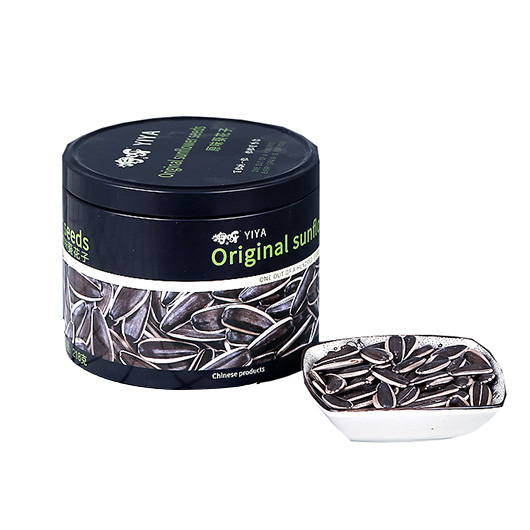
High quality raw sunflower seeds ( Helianthus annuus ) represent a critical input to the food processing, animal feed, and increasingly, the biofuel and nutraceutical industries. Positioned at the beginning of numerous value chains, their quality directly impacts the efficacy and marketability of downstream products. This guide provides a comprehensive technical overview of sunflower seed characteristics, encompassing material science, manufacturing considerations, performance benchmarks, potential failure modes, and relevant international standards. The industry faces key challenges concerning consistent oil content, minimizing mycotoxin contamination, and ensuring genetic purity for specific applications. This document aims to address these pain points and provide a detailed technical foundation for procurement, processing, and quality control professionals.
Material Science & Manufacturing
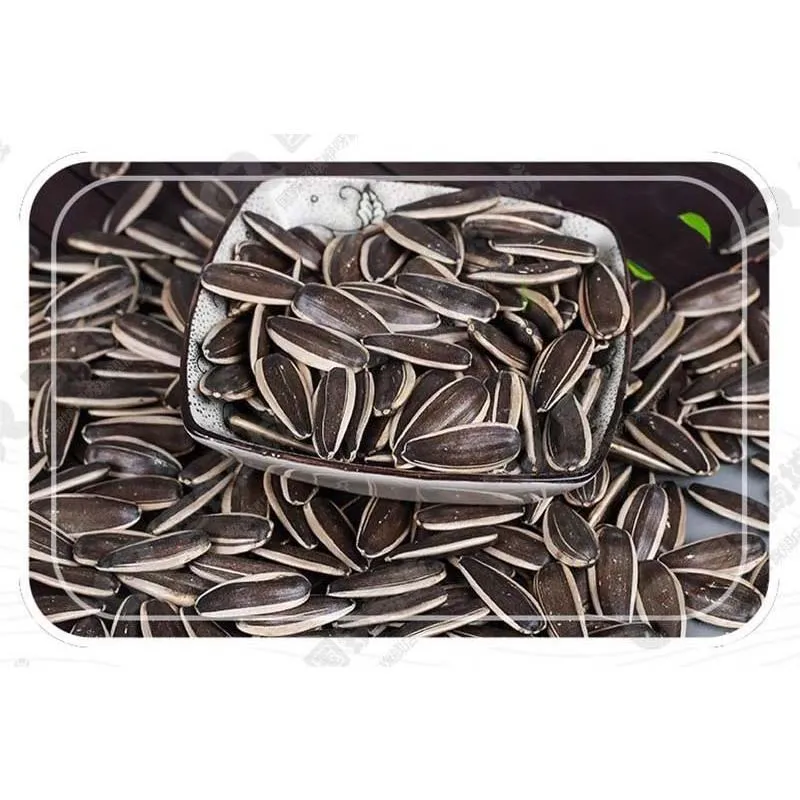
Sunflower seeds are composed primarily of three fractions: the kernel (approximately 50-55% by weight), the hull (20-30%), and the residual material. Kernel composition includes approximately 20-55% oil, 15-25% protein, 10-20% carbohydrates, and 5-10% fiber. Oil quality is paramount, heavily influenced by fatty acid profile (oleic, linoleic, palmitic, stearic acids). Hull characteristics, including lignin content and physical strength, dictate dehulling efficiency. Raw material sourcing directly affects seed quality. Optimal growing conditions – including sufficient sunlight, water, and nutrient availability – are crucial. Manufacturing begins with harvesting, typically employing combine harvesters. Post-harvest processing includes cleaning (removal of stems, leaves, and foreign material), drying (to a moisture content of approximately 9-10% to inhibit mold growth), and dehulling. Dehulling methods include mechanical (impact, friction) and chemical (acid or enzymatic) approaches. Mechanical dehulling requires precise control of impact force and abrasive surface characteristics to maximize kernel recovery and minimize damage. Seed drying employs controlled-temperature airflow to prevent thermal degradation of oils and proteins. Seed grading relies on size and density separation, often utilizing screens and air classifiers. Key parameter control involves maintaining consistent moisture content throughout the process and minimizing physical damage to the kernel to prevent lipid oxidation.
Performance & Engineering
Sunflower seed performance is evaluated based on several key engineering properties. Tensile strength, crucial for dehulling and processing, varies significantly with moisture content and seed variety. Coefficient of friction dictates seed flow characteristics in processing equipment. Bulk density influences storage capacity and transportation efficiency. Impact resistance determines kernel survivability during handling. Hydrothermal properties – including water absorption and heat capacity – affect drying rates and oil extraction efficiency. Environmental resistance is critical for long-term storage; seeds are susceptible to moisture uptake, leading to mold growth and aflatoxin contamination. Packaging plays a vital role in mitigating these risks. Compliance requirements mandate adherence to stringent food safety standards, including maximum permissible levels of contaminants (aflatoxins, pesticides, heavy metals). The engineering design of processing equipment must account for the abrasive nature of hulls and the potential for dust explosions (sunflower hull dust is combustible). Proper ventilation and grounding are essential safety measures. Storage facilities must be designed to maintain controlled temperature and humidity levels to prevent seed degradation.
Technical Specifications
| Parameter | Unit | Grade A (High Quality) | Grade B (Standard) |
|---|---|---|---|
| Oil Content (Dry Basis) | % | 48-55 | 42-48 |
| Moisture Content | % | 8-9 | 9-10 |
| Kernel Integrity (Broken Kernels) | % | <2 | 2-5 |
| Hull Content | % | <8 | 8-12 |
| Foreign Matter | % | <1 | 1-2 |
| Aflatoxin B1 | ppb | <2 | <5 |
Failure Mode & Maintenance
Sunflower seeds are susceptible to several failure modes. Lipid oxidation, induced by exposure to oxygen, light, and heat, results in rancidity and off-flavors. Aflatoxin contamination, caused by Aspergillus molds, poses a significant health risk. Mechanical damage during harvesting and processing can lead to broken kernels and increased susceptibility to oxidation. Insect infestation can cause significant quality loss. Moisture uptake during storage promotes mold growth and seed deterioration. Failure analysis involves assessing oil quality (peroxide value, free fatty acid content), aflatoxin levels (HPLC analysis), and physical damage (visual inspection, sieve analysis). Preventative maintenance includes proper cleaning and drying of seeds, controlled storage conditions (temperature, humidity, ventilation), regular pest control measures, and appropriate packaging (moisture-barrier films). For processing equipment, routine inspection and replacement of wear parts (screens, hammers, belts) are essential. Periodic calibration of sensors and control systems ensures accurate monitoring and adjustment of processing parameters.
Industry FAQ
Q: What is the significance of the oleic/linoleic acid ratio in sunflower oil?
A: The oleic/linoleic acid ratio significantly impacts oil stability and suitability for specific applications. High-oleic sunflower oil (HO sunflower oil), with a higher proportion of oleic acid, exhibits greater oxidative stability, leading to a longer shelf life and improved performance in high-heat applications like frying. Linoleic acid is essential for human health but is more prone to oxidation. The ratio is therefore tailored based on end-use requirements.
Q: How are aflatoxin levels typically monitored and controlled?
A: Aflatoxin levels are primarily monitored through laboratory analysis using High-Performance Liquid Chromatography (HPLC) with fluorescent detection. Control measures involve pre-harvest practices (selecting resistant varieties, proper crop rotation), post-harvest handling (rapid drying, proper storage), and the use of antifungal treatments (though these are regulated and require careful consideration). Regular sampling and testing throughout the supply chain are crucial.
Q: What impact does seed moisture content have on storage life?
A: Seed moisture content is a critical determinant of storage life. Higher moisture content promotes mold growth, insect infestation, and accelerated lipid oxidation. Maintaining a moisture content of 9% or less, coupled with proper aeration and temperature control, is essential for maximizing storage duration. Regular monitoring of moisture levels during storage is recommended.
Q: What are the key differences between mechanical and chemical dehulling methods?
A: Mechanical dehulling relies on physical force (impact, friction) to separate the kernel from the hull. It is generally preferred for its simplicity and lower chemical residue. However, it can result in higher kernel damage. Chemical dehulling uses acids or enzymes to weaken the hull structure, facilitating separation. It can achieve higher kernel recovery but requires careful control to avoid chemical contamination and may affect oil quality.
Q: How does seed size distribution affect processing efficiency?
A: Uniform seed size distribution improves processing efficiency in several ways. It facilitates consistent dehulling, drying, and oil extraction. Variations in seed size can lead to uneven processing, increased breakage, and lower oil yield. Seed grading based on size is a common practice to optimize process performance.
Conclusion
High quality raw sunflower seeds are a complex agricultural product with performance directly linked to stringent controls across the entire supply chain. From genetic selection and field cultivation through harvesting, processing, and storage, maintaining consistent quality parameters – including oil content, moisture levels, kernel integrity, and aflatoxin absence – is essential. Understanding the material science behind seed composition, the engineering principles governing processing operations, and the potential failure modes informs effective quality control strategies.
Future trends will likely focus on developing sunflower varieties with improved oil profiles, enhanced resistance to pests and diseases, and reduced susceptibility to aflatoxin contamination. Advancements in processing technologies, such as near-infrared spectroscopy for rapid oil content analysis and improved dehulling techniques, will further enhance efficiency and quality. Continued adherence to international standards and best practices remains paramount for ensuring a safe, sustainable, and reliable supply of high quality raw sunflower seeds.
