Introduction
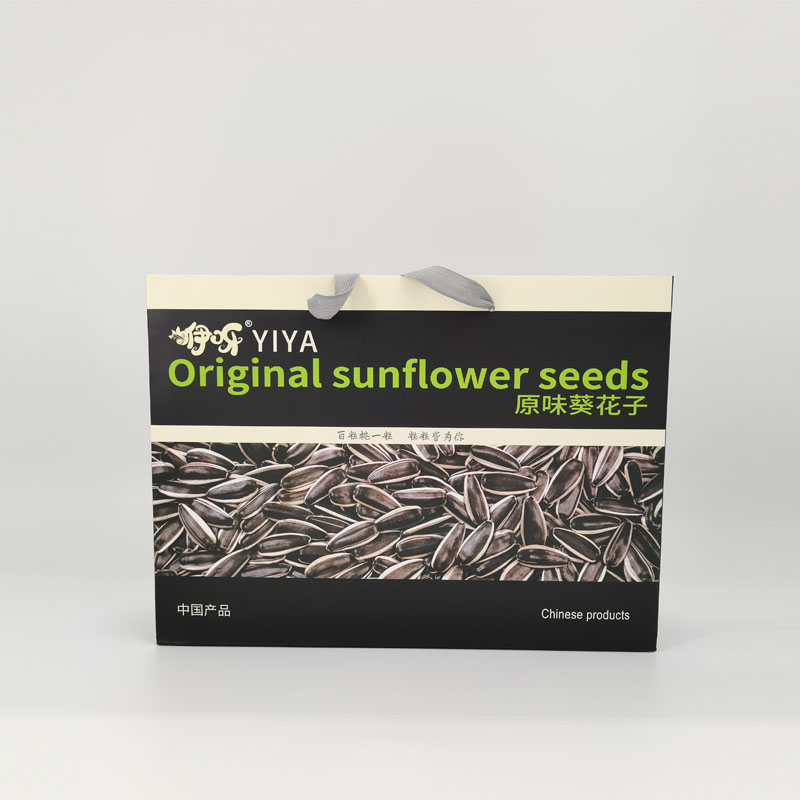
Raw natural sunflower seeds ( Helianthus annuus ) represent a significant commodity in the agricultural and food processing industries. Positioned as a primary oilseed crop and a direct-consumption snack, these seeds bridge the gap between agricultural production and consumer markets. This technical guide details the critical aspects of high-quality sunflower seed, encompassing its botanical origins, chemical composition, manufacturing processes, performance characteristics, potential failure modes during storage and processing, and relevant industry standards. Core performance indicators include oil content, protein content, moisture levels, and the absence of aflatoxin contamination. Addressing prevalent industry concerns surrounding seed viability, oil quality degradation, and adherence to food safety regulations is paramount. Procurement professionals and quality control engineers must understand these parameters to ensure a consistently high-quality supply chain.
Material Science & Manufacturing
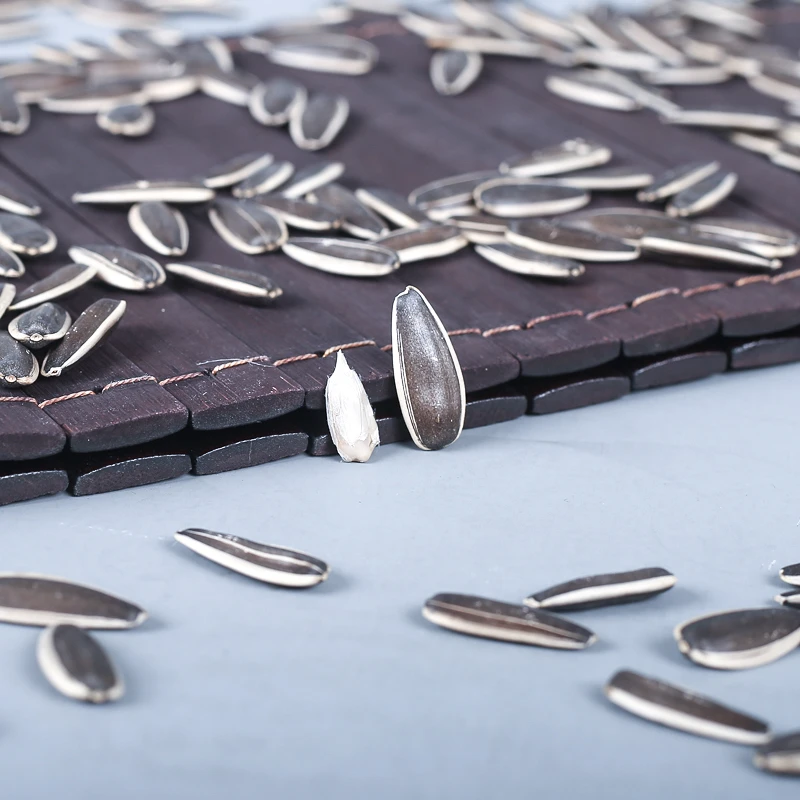
Sunflower seeds are composed primarily of a hull (pericarp), kernel (cotyledon), and embryo. The hull, approximately 28-50% of the seed's weight, is rich in cellulose and lignin, providing structural integrity. The kernel constitutes the bulk of the seed (40-60%) and is the source of oil and protein. The embryo, though smaller (5-10%), contains the genetic material for propagation. Raw material quality is heavily influenced by cultivar (confectionary vs. oilseed), growing conditions (temperature, rainfall, sunlight exposure), and soil composition. Manufacturing begins with harvesting, followed by drying to a moisture content of approximately 9-10% to inhibit microbial growth and enzymatic activity. Drying typically employs forced-air systems, carefully controlling temperature (below 45°C) to prevent protein denaturation and oil oxidation. Dehulling is a critical process, separating the kernel from the hull. Impact dehullers are common, but require precise calibration to minimize kernel damage. Post-dehulling, seeds undergo cleaning to remove foreign material (stones, stems, leaves) using sieves, air classifiers, and magnetic separators. Grading based on seed size and density further refines quality. Key parameter control includes continuous monitoring of moisture content, kernel damage percentage (splits, broken kernels), and foreign matter content throughout the entire process. Optical sorting is increasingly employed for enhanced quality control, identifying and removing discolored or defective seeds.
Performance & Engineering
The performance of sunflower seeds, especially concerning storage and subsequent oil extraction, is governed by several engineering principles. Moisture content is a critical factor; exceeding 10% leads to increased respiration rates, accelerated lipid oxidation, and potential aflatoxin production by Aspergillus molds. Storage structures must provide adequate ventilation to maintain optimal humidity and temperature. Force analysis regarding seed handling (conveying, cracking, dehulling) necessitates understanding seed resilience and fracture mechanics. Kernel hardness, determined by compression testing, dictates the energy required for processing. Environmental resistance refers to the seed’s ability to withstand temperature fluctuations and humidity variations without significant quality loss. Packaging materials play a crucial role in maintaining barrier properties against oxygen and moisture. Compliance requirements, governed by food safety regulations (see Standards & Regulations section), dictate permissible levels of contaminants (heavy metals, pesticides) and microbial load. Functional implementation, in terms of oil extraction efficiency, is directly correlated with seed oil content and kernel integrity. Pre-pressing and solvent extraction processes are optimized based on seed characteristics, requiring precise control of temperature, pressure, and solvent ratios.
Technical Specifications
| Parameter | Unit | Specification (High Quality) | Testing Method |
|---|---|---|---|
| Oil Content (on dry basis) | % | >48% | Soxhlet Extraction (AOCS Official Method) |
| Protein Content (on dry basis) | % | >20% | Kjeldahl Method (AOCS Official Method) |
| Moisture Content | % | <9% | Oven Drying Method (AACC Method) |
| Kernel Damage (Splits/Broken Kernels) | % | <5% | Visual Inspection & Sieve Analysis |
| Foreign Matter | % | <1% | Visual Inspection & Manual Sorting |
| Aflatoxin B1 | ppb | <20 ppb | HPLC Analysis (AOAC Official Method) |
Failure Mode & Maintenance
Sunflower seeds are susceptible to several failure modes during storage and processing. Lipid oxidation, driven by exposure to oxygen and elevated temperatures, results in rancidity and reduced oil quality. This manifests as a decreased Peroxide Value (PV) and increased Anisidine Value (AV). Aflatoxin contamination, caused by Aspergillus flavus and Aspergillus parasiticus, is a significant safety concern, particularly in warm, humid environments. Mechanical damage during harvesting, dehulling, or conveying leads to kernel breakage, increasing the surface area exposed to oxidation and microbial attack. Insect infestation can also compromise seed quality and introduce contaminants. Maintenance strategies focus on preventative measures. Proper drying and storage in airtight containers are crucial. Implementing a robust pest control program minimizes insect damage. Regular monitoring of temperature, humidity, and seed quality parameters (oil content, moisture content, aflatoxin levels) allows for early detection of potential problems. First-in, first-out (FIFO) inventory management ensures that older stock is used before newer stock, reducing the risk of prolonged storage degradation. Regular cleaning and maintenance of processing equipment minimize mechanical damage and contamination.
Industry FAQ
Q: What is the acceptable level of free fatty acids (FFA) in high-quality raw sunflower seeds and how does it impact oil extraction?
A: A high-quality raw sunflower seed typically exhibits an FFA content below 1.0%. Elevated FFA levels indicate lipolytic activity – the breakdown of triglycerides into fatty acids – and result from improper storage or seed deterioration. Higher FFA levels reduce oil extraction efficiency, increase refining costs (due to neutralization requirements), and negatively impact the quality of the resulting oil, leading to increased acidity and reduced stability.
Q: How does seed hull percentage affect the overall oil yield and processing costs?
A: While the kernel contains the oil, hull percentage impacts processing efficiency. Higher hull percentages reduce the kernel-to-seed ratio, requiring more seed to be processed to obtain a given quantity of oil. This increases energy consumption during dehulling and cleaning, adding to processing costs. Seed varieties with lower hull percentages are generally preferred for oil production, providing a higher oil yield per unit of seed processed.
Q: What testing protocols are critical for verifying the absence of genetically modified organisms (GMOs) in raw sunflower seeds?
A: PCR (Polymerase Chain Reaction) testing is the standard method for GMO detection. This involves amplifying specific DNA sequences associated with known GMO traits. Accredited laboratories employ validated PCR assays to screen for the presence of transgenic elements in sunflower seeds. Traceability documentation throughout the supply chain is also essential to ensure compliance with GMO-free labeling requirements.
Q: What are the optimal storage conditions (temperature, humidity, packaging) for maintaining sunflower seed viability over an extended period (e.g., 6-12 months)?
A: Optimal storage conditions involve a temperature of 10-15°C, relative humidity below 65%, and packaging in airtight, moisture-proof containers (e.g., multi-layer polyethylene bags). Controlling oxygen exposure is also crucial; vacuum packaging or modified atmosphere packaging (MAP) with nitrogen flushing can help minimize oxidation. Regular monitoring of seed temperature and humidity is recommended to ensure conditions remain within acceptable limits.
Q: How does the variety (confectionary vs. oilseed) impact the technical specifications and suitability for different applications?
A: Confectionary sunflower seeds are bred for larger kernel size, higher shelling percentage, and a distinctive flavor profile, making them suitable for direct consumption. They typically have a lower oil content (around 35-40%) and a different fatty acid composition compared to oilseed varieties. Oilseed varieties prioritize high oil content (typically >50%) and are optimized for efficient oil extraction. Their kernels are generally smaller and may have a different taste. The technical specifications and suitability for downstream applications (oil extraction, protein isolate production, confectionary snacks) are therefore intrinsically linked to the seed variety.
Conclusion
High-quality raw natural sunflower seeds are a complex agricultural product demanding careful consideration of botanical origins, manufacturing processes, and performance characteristics. Maintaining optimal moisture content, mitigating lipid oxidation, and preventing aflatoxin contamination are central to preserving seed quality and maximizing oil yield. Thorough adherence to industry standards and rigorous quality control measures are essential for reliable sourcing and consistent product performance.
Future advancements in sunflower seed breeding, processing technologies (such as improved dehulling techniques and novel drying methods), and storage solutions will continue to enhance the efficiency and sustainability of the sunflower seed industry. Investing in research and development focused on improved cultivar resistance to pests and diseases, optimized oil extraction processes, and advanced quality assessment methodologies will be critical for meeting the growing global demand for this versatile oilseed.
