
Introduction
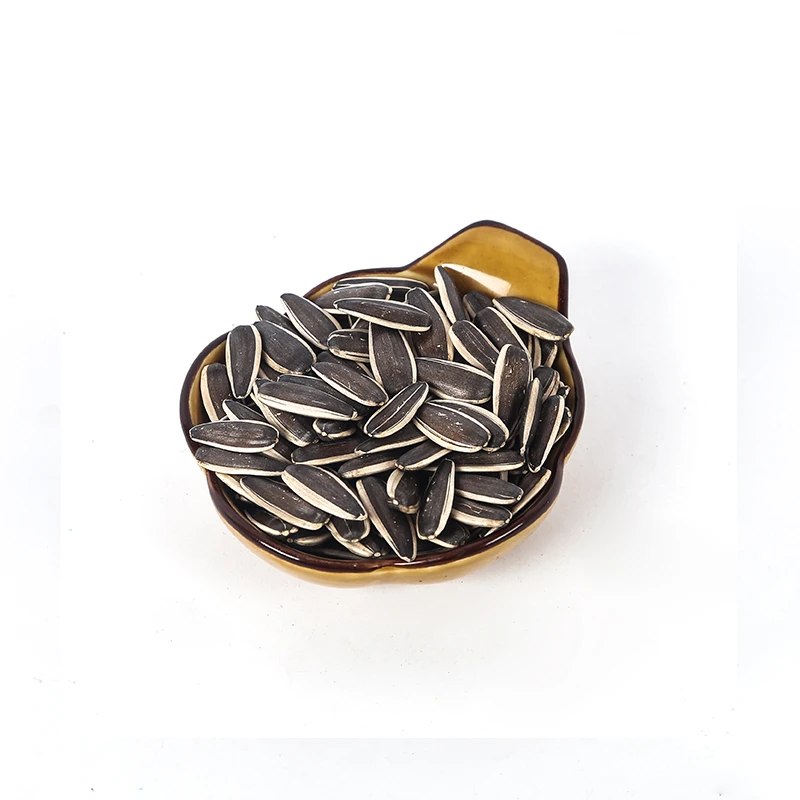
High quality raw hulled sunflower seeds (Helianthus annuus) represent a significant commodity in the global food industry, serving as both a standalone snack and a crucial ingredient in various processed foods. This technical guide provides an in-depth analysis of the material science, manufacturing processes, performance characteristics, potential failure modes, and industry standards relevant to these seeds. Sunflower seeds occupy a specific niche in the oilseed and confectionary markets, demanding stringent quality control due to their susceptibility to rancidity, microbial contamination, and mechanical damage. Their increasing prevalence in health-focused diets further necessitates a detailed understanding of their nutritional profile and processing parameters. The primary performance indicators center around oil content, protein content, kernel size, and freedom from defects, impacting their suitability for diverse applications ranging from direct consumption to oil extraction and animal feed.
Material Science & Manufacturing
Sunflower seeds are composed of approximately 30-50% oil, 20-30% protein, 15-25% carbohydrate (primarily fiber), and 5-10% moisture. The oil is rich in linoleic acid, an essential fatty acid, while the protein content contributes significant nutritional value. The seed coat, or hull, is primarily cellulose and lignin, providing structural integrity and protection. Manufacturing begins with selecting high-yielding sunflower varieties optimized for oil content and kernel size. Harvesting occurs when the seed moisture content reaches approximately 18-20%. Initial processing involves drying the seeds to a moisture content of 8-10% to prevent mold growth and facilitate shelling. Shelling is typically achieved through mechanical impact and friction, separating the kernel from the hull. The key parameter control during shelling is minimizing kernel damage, which can lead to increased oil oxidation and reduced shelf life. Following shelling, seeds undergo cleaning to remove foreign materials (stalks, leaves, stones) using a combination of screening, aspiration, and gravity separation. Further grading is based on kernel size and quality, often employing optical sorting technology. Finally, seeds are typically packaged in airtight containers under nitrogen atmosphere to minimize oxidation. Proper temperature and humidity control are critical throughout the entire process to preserve seed quality.
Performance & Engineering
The performance of raw hulled sunflower seeds is critically linked to their physical and chemical stability during storage and processing. Oil stability is paramount, with the rate of oxidation directly affecting shelf life and sensory quality (rancidity). This is quantified by the Peroxide Value (PV) and Anisidine Value (AV), with lower values indicating greater stability. Mechanical strength, specifically the resistance to cracking and chipping during handling and packaging, is another key performance indicator. Force analysis reveals that kernel hardness and shell integrity significantly influence this parameter. Environmental resistance includes assessment of moisture absorption and its effect on microbial growth. High moisture content promotes the proliferation of molds and bacteria, potentially leading to mycotoxin contamination. Compliance requirements encompass adherence to food safety regulations established by agencies like the FDA (USA) and EFSA (Europe), including limits for heavy metals, pesticide residues, and microbial contaminants. Functional implementation, regarding nutritional contributions, centers around providing essential fatty acids, vitamin E, and dietary fiber, validated through proximate analysis and nutritional labeling requirements. Maintaining a low water activity (aw) is crucial to inhibit microbial growth and preserve product quality.
Technical Specifications
| Parameter | Unit | Specification (Grade A) | Specification (Grade B) |
|---|---|---|---|
| Oil Content (Dry Basis) | % | 48-54% | 44-48% |
| Protein Content (Dry Basis) | % | 18-24% | 16-18% |
| Moisture Content | % | ≤ 8% | ≤ 10% |
| Kernel Size (Screen Size) | mm | 14-16 mm | 12-14 mm |
| Foreign Matter | % | ≤ 0.5% | ≤ 1.0% |
| Damaged Kernels | % | ≤ 2.0% | ≤ 5.0% |
Failure Mode & Maintenance
Failure modes for raw hulled sunflower seeds predominantly relate to degradation of oil quality and kernel damage. Oxidation, initiated by exposure to oxygen, light, and heat, leads to rancidity, characterized by off-flavors and odors. This manifests as an increase in Peroxide Value (PV) and Anisidine Value (AV). Microbial contamination, particularly with molds like Aspergillus, can result in mycotoxin production (e.g., aflatoxins), posing a health hazard. Physical damage, such as cracking and chipping, increases surface area exposed to oxygen, accelerating oxidation and providing entry points for microorganisms. Fatigue cracking within the kernel structure can occur due to repeated stress during handling. Maintenance focuses on preventative measures. Proper storage in cool, dry, and dark conditions is essential. Packaging in airtight containers with a nitrogen flush minimizes oxygen exposure. Regular monitoring of moisture content and oil quality (PV, AV) is recommended. Implementing a robust sanitation program during processing and storage is crucial to prevent microbial contamination. For large-scale storage, temperature and humidity control systems are vital. Insect infestation can also lead to seed damage and contamination, necessitating pest control measures.
Industry FAQ
Q: What is the significance of the peroxide value (PV) in assessing sunflower seed quality?
A: The peroxide value (PV) is a primary indicator of initial lipid oxidation. It measures the concentration of peroxides formed during the oxidation process. A lower PV indicates a fresher, higher quality product with less oxidative damage. High PV values signify rancidity and potential deterioration of nutritional value.
Q: How does kernel size affect the processing and yield of sunflower oil?
A: Kernel size influences oil extraction efficiency. Larger kernels generally contain a higher total oil content and are easier to process. Smaller kernels may require more energy and time during extraction. Grading seeds by size ensures consistent oil yields and optimizes processing parameters.
Q: What are the key concerns regarding mycotoxin contamination in sunflower seeds?
A: Mycotoxins, produced by molds, pose a significant food safety risk. Aflatoxins are the most common concern in sunflower seeds. Strict quality control measures, including proper drying, storage, and sanitation, are essential to minimize mycotoxin levels and ensure compliance with regulatory limits.
Q: What packaging materials are recommended for maintaining the quality of raw hulled sunflower seeds during long-term storage?
A: Airtight packaging materials with excellent barrier properties are crucial. Multi-layer films incorporating aluminum foil or metallized layers provide effective protection against oxygen, moisture, and light. Packaging under a nitrogen atmosphere further minimizes oxidation. The material should also be food-grade and compliant with relevant packaging regulations.
Q: What role does moisture content play in the shelf life of sunflower seeds?
A: Moisture content is a critical factor influencing shelf life. High moisture content promotes microbial growth and accelerates enzymatic activity, leading to rancidity and degradation. Maintaining a moisture content of ≤8% is essential for inhibiting these processes and extending storage stability.
Conclusion
High quality raw hulled sunflower seeds represent a complex agricultural product demanding meticulous attention to material science, manufacturing protocols, and quality control. The interplay between oil stability, moisture content, mechanical integrity, and microbial contamination dictates the overall performance and shelf life. A thorough understanding of these parameters, coupled with adherence to industry standards, is paramount for ensuring a safe, nutritious, and commercially viable product.
Future advancements in sunflower seed processing may focus on utilizing novel packaging technologies, such as modified atmosphere packaging (MAP) with optimized gas mixtures, and implementing advanced sorting techniques based on near-infrared spectroscopy for more precise quality assessment. Continued research into optimizing harvesting and drying methods to minimize seed damage and preserve oil quality will further enhance the value of this important agricultural commodity.
