Introduction
Pumpkin seeds ( Cucurbita pepo ) and sunflower seeds ( Helianthus annuus ) are significant oilseed crops with growing importance in the food, nutraceutical, and increasingly, industrial sectors. This technical guide provides a comprehensive comparison of these seeds, extending beyond simple nutritional profiles to encompass their material science, manufacturing processes, performance characteristics, potential failure modes, and relevant industry standards. The current market exhibits increasing demand for high-quality seeds, driven by consumer preference for natural, healthy snacks and the rising utilization of seed-derived oils and proteins in functional foods and biomaterials. A core pain point for industrial users is variability in seed composition based on cultivar, growing conditions, and processing methods, impacting yield and product consistency. This guide aims to address these concerns by detailing the crucial parameters governing seed quality and performance.
Material Science & Manufacturing
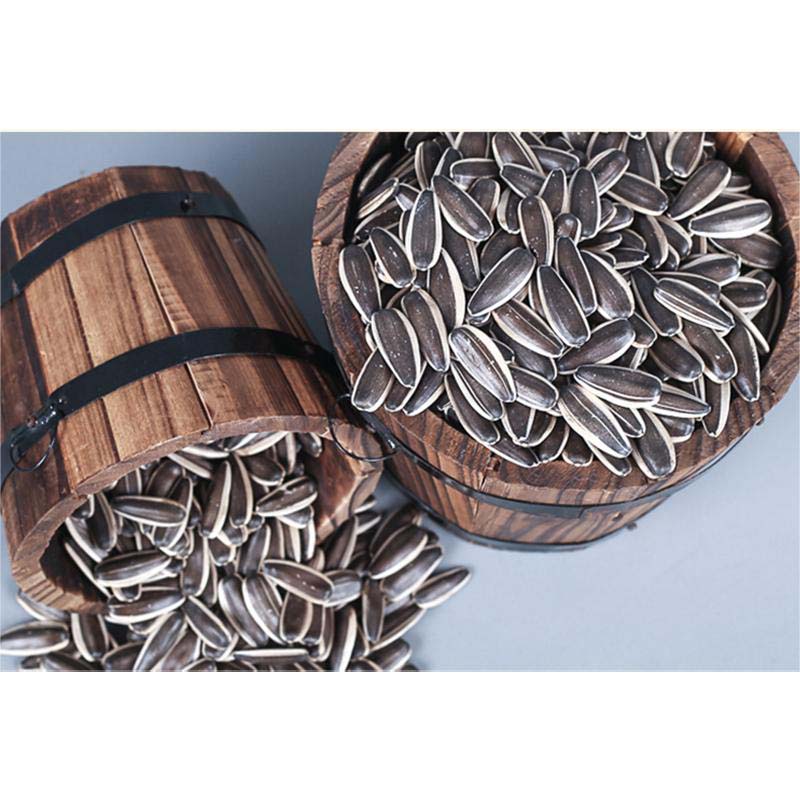
Pumpkin seeds and sunflower seeds differ significantly in their material composition. Pumpkin seeds possess a higher lipid content (49-55% dry weight) primarily composed of linoleic acid (omega-6) and oleic acid (omega-9). They also contain a substantial protein fraction (25-30%) rich in amino acids like arginine and glutamic acid, and a significant amount of dietary fiber. The seed hull, or pericarp, is relatively thick and composed largely of cellulose and lignin. Sunflower seeds, conversely, contain approximately 42-50% oil, predominantly linoleic acid, with varying levels of oleic acid depending on the cultivar (high-oleic varieties are increasingly common). Protein content is generally lower (20-25%), and fiber content varies. The sunflower seed hull is thinner and more brittle than that of the pumpkin seed.
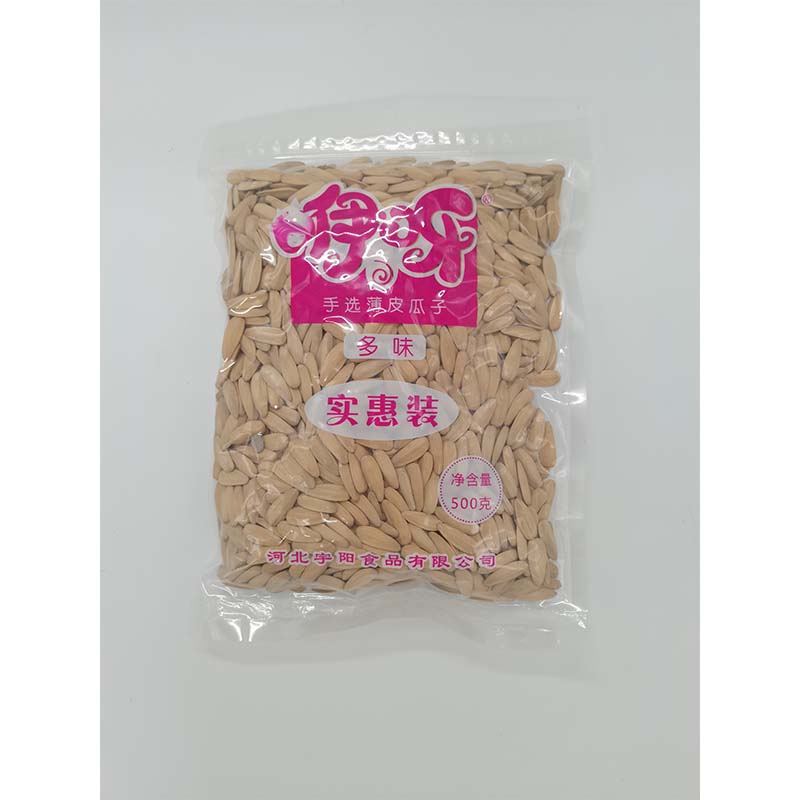
Manufacturing processes also differ. Pumpkin seeds often undergo a cleaning, drying (typically to 8-10% moisture content), and dehulling process. Dehulling can be achieved mechanically using abrasive methods or enzymatic treatments. The kernel is then sorted based on size and quality. Sunflower seeds are similarly cleaned and dried. Dehulling is a critical step, often employing rubber rollers or centrifugal dehullers. Post-dehulling, seeds are typically graded, sorted, and may undergo surface treatments to enhance shelf life or processing characteristics. Controlling temperature during drying is paramount; exceeding 50°C can degrade oil quality and protein functionality. For oil extraction, both seeds employ mechanical pressing (expeller pressing) and solvent extraction (typically with hexane). The quality of the extracted oil is directly correlated to the seed’s initial lipid profile and the efficiency of the extraction process. Careful monitoring of free fatty acid content and peroxide value is crucial during oil processing.
Performance & Engineering
The performance characteristics of pumpkin and sunflower seeds are largely dictated by their structural integrity and chemical composition. In applications requiring mechanical strength, such as seed coatings or composite materials, pumpkin seeds exhibit superior resistance to cracking and fracture due to their thicker hull. However, this same hull can present challenges in processing, requiring higher energy input for milling or grinding. Sunflower seeds, with their thinner hulls, are more readily processed but exhibit lower resistance to physical stress.
Environmental resistance is also a key consideration. Both seed types are susceptible to oxidation and rancidity when exposed to air and light. Antioxidant content, particularly vitamin E, plays a crucial role in mitigating oxidative degradation. Sunflower seeds, particularly high-oleic varieties, demonstrate improved oxidative stability compared to pumpkin seeds. Moisture absorption can lead to fungal growth and mycotoxin contamination. Proper storage conditions (low temperature, low humidity, airtight containers) are essential to maintain seed quality. Compliance with food safety regulations (e.g., FDA, EFSA) is paramount, mandating stringent control of mycotoxin levels (aflatoxins, ochratoxins). The oil extracted from both seeds must meet specific purity standards outlined by organizations like the American Oil Chemists’ Society (AOCS).
Technical Specifications
| Parameter | Pumpkin Seeds (Typical) | Sunflower Seeds (Typical) | Units |
|---|---|---|---|
| Oil Content | 49-55 | 42-50 | % (Dry Weight) |
| Protein Content | 25-30 | 20-25 | % (Dry Weight) |
| Fiber Content | 6-8 | 5-7 | % (Dry Weight) |
| Linoleic Acid (Omega-6) | 50-60 | 60-70 | % of Total Fatty Acids |
| Oleic Acid (Omega-9) | 20-30 | 10-30 (High-Oleic Varieties up to 80) | % of Total Fatty Acids |
| Hull Strength (Compression) | >150 | 80-120 | N |
Failure Mode & Maintenance
Pumpkin and sunflower seeds are susceptible to various failure modes. Lipid oxidation is a primary concern, leading to rancidity and a decline in nutritional value. This is exacerbated by exposure to oxygen, light, and elevated temperatures. Prevention involves the addition of antioxidants (vitamin E, tocopherols) and packaging in opaque, airtight containers. Hull cracking during processing can lead to increased oil loss and contamination. Controlling impact forces and utilizing appropriate dehulling parameters are critical. Microbial contamination, particularly fungal growth, represents a significant risk. Maintaining low moisture content and employing appropriate sanitation practices are essential. In industrial applications, delamination of seed coatings or composites can occur due to poor adhesion or exposure to harsh environmental conditions. Careful selection of coating materials and surface treatments is necessary. For long-term storage, regular monitoring of seed quality parameters (oil acidity, peroxide value, moisture content) is recommended. Periodically testing for mycotoxin contamination is also advisable. Corrective maintenance involves discarding contaminated batches and optimizing storage conditions.
Industry FAQ
Q: What is the impact of growing location on the oil profile of sunflower seeds?
A: Growing location significantly influences the oil profile of sunflower seeds. Seeds grown in warmer climates generally have a higher linoleic acid content, while those grown in cooler regions tend to have a higher oleic acid content. Specific soil conditions and the availability of sunlight also play a role. Cultivar selection is crucial to optimize oil composition for specific applications.
Q: How does dehulling affect the protein digestibility of pumpkin seeds?
A: Dehulling generally improves protein digestibility in pumpkin seeds. The hull contains cellulose and lignin, which are indigestible by humans. Removing the hull increases the accessibility of proteins to digestive enzymes. However, overly aggressive dehulling can damage the protein structure, potentially reducing its nutritional value.
Q: What are the key differences in the fatty acid composition of organic versus conventionally grown seeds?
A: While there can be some variability, studies suggest that organic sunflower and pumpkin seeds may exhibit slightly higher levels of omega-3 fatty acids and conjugated linoleic acid (CLA) compared to conventionally grown seeds. This is often attributed to differences in fertilization practices and pest control methods.
Q: What testing methods are used to determine seed viability and germination rate?
A: Seed viability is typically assessed through tetrazolium testing, which uses a dye to determine whether the embryo is alive. Germination rate is determined by placing a sample of seeds under controlled conditions (temperature, moisture, light) and counting the number of seeds that successfully germinate within a specified period (usually 7-14 days).
Q: What is the shelf life of properly stored pumpkin and sunflower seeds?
A: Properly stored (cool, dry, dark) pumpkin and sunflower seeds can maintain their quality for up to 12-18 months. However, oil quality will gradually decline over time, even under optimal conditions. Regular monitoring of oil acidity and peroxide value is recommended to ensure product integrity.
Conclusion
In conclusion, both pumpkin and sunflower seeds offer valuable characteristics for a diverse range of applications. Pumpkin seeds excel in scenarios demanding mechanical strength and unique nutritional profiles, while sunflower seeds, particularly high-oleic varieties, provide improved oxidative stability and ease of processing. The selection between the two ultimately depends on the specific requirements of the intended application, with careful consideration given to factors such as oil composition, protein content, hull characteristics, and processing parameters.
Future research should focus on optimizing cultivation practices to enhance seed quality and developing novel processing techniques to minimize waste and maximize resource utilization. Furthermore, exploring the potential of these seeds in bio-based materials and industrial applications will unlock new avenues for sustainable product development. Maintaining rigorous quality control and adhering to industry standards are essential to ensure the consistent performance and safety of seed-derived products.
