Introduction
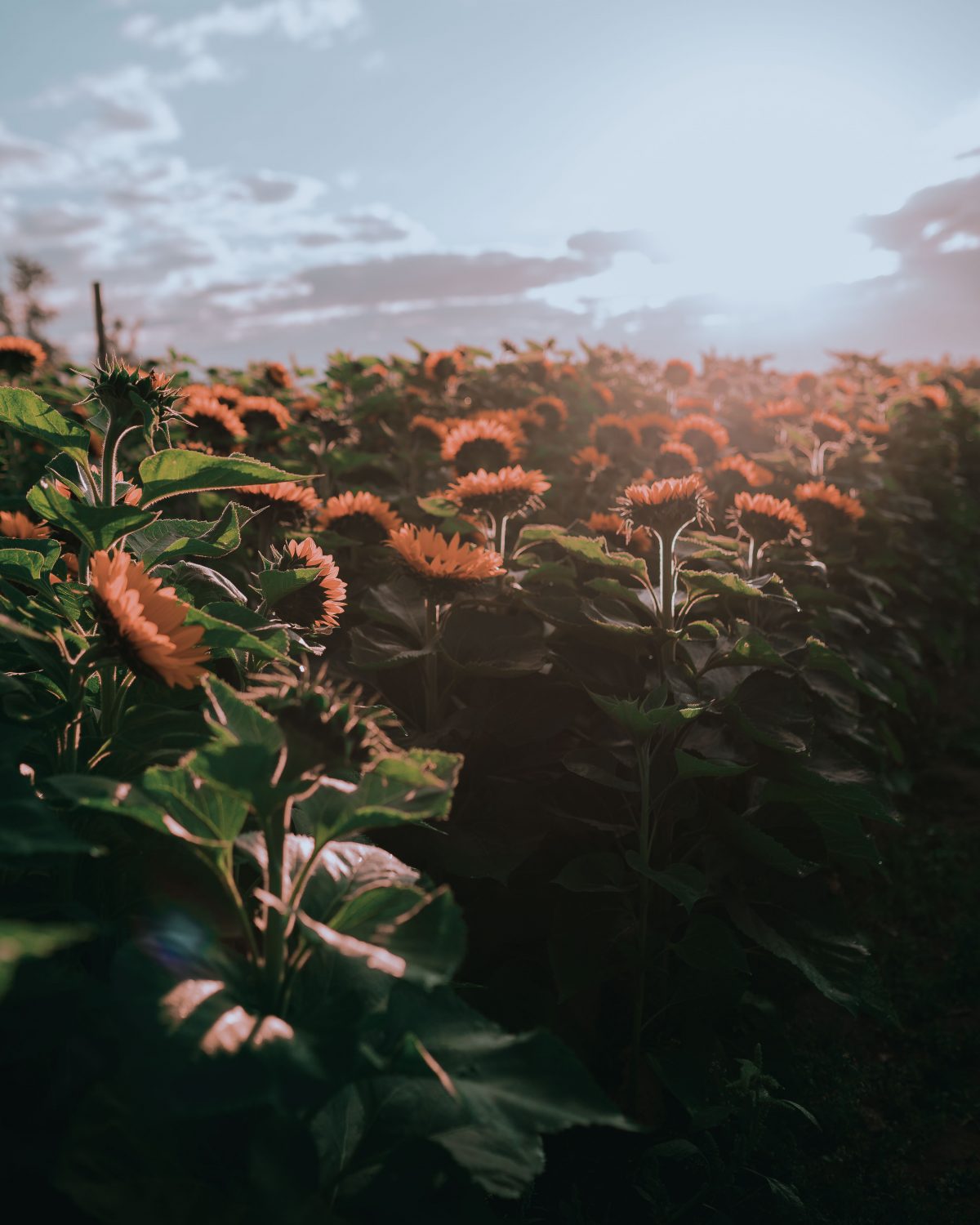
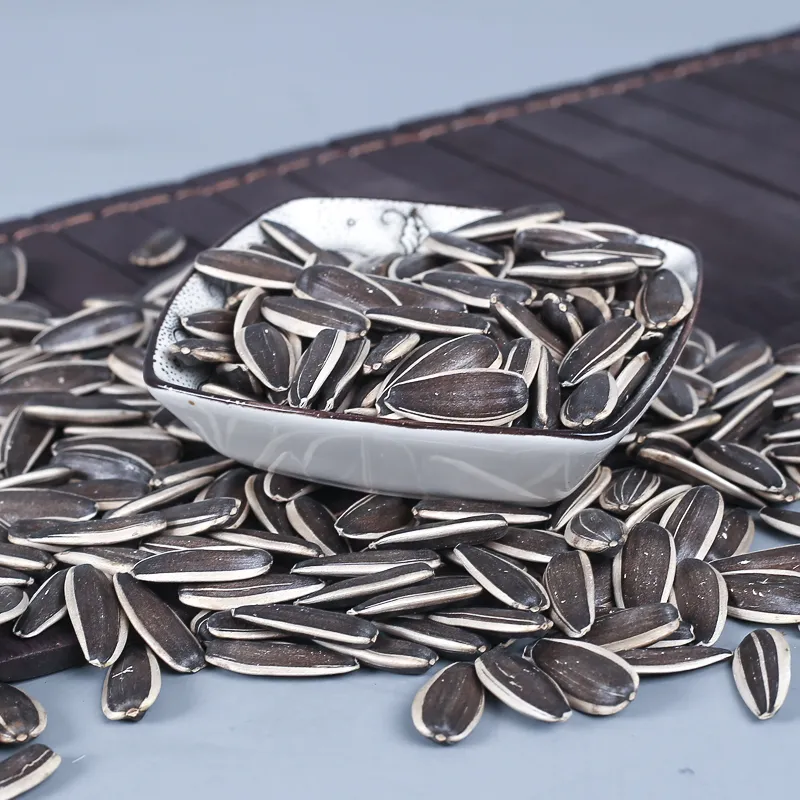
High quality procut sunflower seeds represent a critical input for both the human food industry and the agricultural sector as a source of oil and animal feed. Their technical position within the supply chain begins with genetic selection and breeding programs aimed at maximizing yield, oil content, and disease resistance. Sunflower seeds, Helianthus annuus, are fundamentally categorized by kernel size, oil type (high oleic, linoleic, mid-oleic), and hull characteristics. Core performance indicators center around germination rate, oil content percentage (typically 42-58% by weight), protein content, and freedom from contaminants like mycotoxins and foreign materials. The industry faces increasing pressure to improve seed quality due to growing demand for healthier oils and sustainable agricultural practices, alongside stringent food safety regulations. This guide provides a comprehensive technical overview of procut sunflower seed characteristics, manufacturing processes, performance metrics, failure modes, and relevant industry standards.
Material Science & Manufacturing
The primary raw material is the sunflower seed itself, a biological entity with complex chemical and physical properties. The kernel consists largely of lipids (triacylglycerols, phospholipids), proteins (albumin, globulin), carbohydrates, and minor components like vitamins (Vitamin E) and phenolic compounds. The hull, or pericarp, is composed primarily of cellulose, hemicellulose, and lignin, providing a protective layer. Manufacturing begins with harvesting, followed by drying to a moisture content of approximately 9-10% to inhibit mold growth and preserve viability. Cleaning processes remove debris (stalks, leaves, soil) using air separation, screening, and magnetic separators. Dehulling is a critical step, typically employing impact or friction methods. Parameter control during dehulling is paramount to minimize kernel damage; excessive force leads to broken kernels and increased oil loss. Grading separates seeds based on size and density, while optical sorting removes discolored or damaged seeds. Finally, seed treatment with fungicides and insecticides may occur to protect against pests and diseases during storage and germination. Seed coating applications, utilizing polymers and active ingredients, are increasingly common to enhance germination and protect seedlings.
Performance & Engineering
Sunflower seed performance is intrinsically linked to its physical and chemical attributes. Germination rate, a crucial performance metric, is influenced by seed viability, dormancy levels, and environmental conditions (temperature, moisture). Oil content, directly impacting oil yield, is analyzed through Soxhlet extraction or near-infrared spectroscopy (NIRS). Oil quality is determined by fatty acid profile, assessed via gas chromatography (GC). Force analysis during dehulling and processing is essential to optimize equipment parameters and minimize kernel breakage. Environmental resistance focuses on storage stability; exposure to high temperatures and humidity can lead to lipid oxidation and reduced germination. Compliance requirements include adherence to maximum permissible levels of heavy metals (lead, cadmium), mycotoxins (aflatoxins), and pesticide residues as stipulated by regulatory bodies like the FDA and EFSA. Functional implementation in agricultural settings relies on uniform germination and seedling vigor, contributing to consistent crop establishment and yield. The mechanical strength of the hull impacts the efficiency of planting equipment; excessively brittle hulls can shatter during seed metering.
Technical Specifications
| Parameter | Unit | Typical Range (High Oleic Variety) | Testing Method |
|---|---|---|---|
| Oil Content | % (Dry Weight Basis) | 48-55 | Soxhlet Extraction (AOCS Ja 5-89) |
| Moisture Content | % | 8-10 | Oven Drying (AACC Method 925) |
| Germination Rate | % | >85 | ISTA Procedure 7 |
| Kernel Size (Diameter) | mm | 10-15 | Sieve Analysis |
| Protein Content | % (Dry Weight Basis) | 18-22 | Kjeldahl Method (AOCS Ja 4-93) |
| Free Fatty Acid (FFA) | % | <0.5 | Titration (AOCS Cd 3-63) |
Failure Mode & Maintenance
Failure modes in procut sunflower seeds can manifest in several ways. Physical Damage: Kernel breakage during harvesting, dehulling, or handling reduces germination rate and oil yield. Biological Degradation: Mold growth (e.g., Aspergillus flavus) leads to aflatoxin contamination, rendering the seeds unsuitable for consumption. Insect infestation can also compromise seed quality. Lipid Oxidation: Exposure to oxygen, light, and elevated temperatures causes rancidity, degrading oil quality and reducing shelf life. Genetic Drift: Over time, repeated seed saving without proper breeding programs can lead to reduced vigor and yield. Maintenance involves proper storage conditions (low temperature, low humidity, darkness), regular monitoring for pests and mold, and implementation of robust quality control procedures. Seed treatment with fungicides and insecticides can prevent biological degradation. Proper cleaning and calibration of processing equipment minimize physical damage. A first-in, first-out (FIFO) inventory management system ensures minimal storage time. Periodic viability testing is crucial to monitor seed quality over time. For large-scale storage facilities, controlled atmosphere storage (reducing oxygen levels) can significantly extend shelf life.
Industry FAQ
Q: What is the significance of the oleic acid content in sunflower seeds and how is it measured?
A: High oleic sunflower seeds are prized for their stability and health benefits. Oleic acid is a monounsaturated fatty acid resistant to oxidation, extending the oil's shelf life and reducing the need for hydrogenation (which creates trans fats). Oleic acid content is typically measured using gas chromatography (GC) with a flame ionization detector (FID) following AOCS protocols.
Q: How does seed moisture content affect long-term storage?
A: Maintaining a low and stable moisture content (typically 8-10%) is crucial for long-term storage. High moisture levels promote mold growth, insect activity, and lipid degradation, all reducing seed quality and viability. Proper drying and storage in a cool, dry environment are essential.
Q: What are the key considerations when selecting a dehulling machine?
A: Key considerations include hulling efficiency (minimizing kernel damage), capacity, energy consumption, and ease of maintenance. The type of dehulling mechanism (impact, friction) should be chosen based on seed variety and desired throughput. Regular calibration and adjustment of the machine are vital to optimize performance.
Q: What are the regulations concerning aflatoxin levels in sunflower seeds intended for human consumption?
A: Regulations vary by country, but most regulatory bodies (e.g., FDA, EFSA) have established maximum permissible levels of aflatoxins (B1, B2, G1, G2). Exceeding these levels renders the seeds unfit for human consumption. Regular testing using ELISA or HPLC is necessary to ensure compliance.
Q: What impact does seed coating have on seedling establishment?
A: Seed coating can enhance seedling establishment by providing protection against pests and diseases, improving moisture retention, and delivering essential nutrients directly to the germinating seed. The coating formulation must be carefully selected to ensure compatibility with the seed and the target growing conditions.
Conclusion
High quality procut sunflower seeds are a complex agricultural commodity with stringent performance requirements. Successful production and processing demand meticulous attention to detail across the entire value chain, from genetic selection and harvesting to storage and quality control. Understanding the material science underpinning seed quality, coupled with adherence to established manufacturing and testing protocols, is paramount for maximizing yield, oil content, and overall product integrity.
Future advancements in sunflower seed technology will likely focus on developing varieties with enhanced disease resistance, improved oil profiles, and increased tolerance to environmental stresses. Precision agriculture techniques and advanced seed coating technologies will also play an increasingly important role in optimizing crop performance and ensuring a sustainable supply of high-quality sunflower seeds to meet growing global demand.
