Introduction
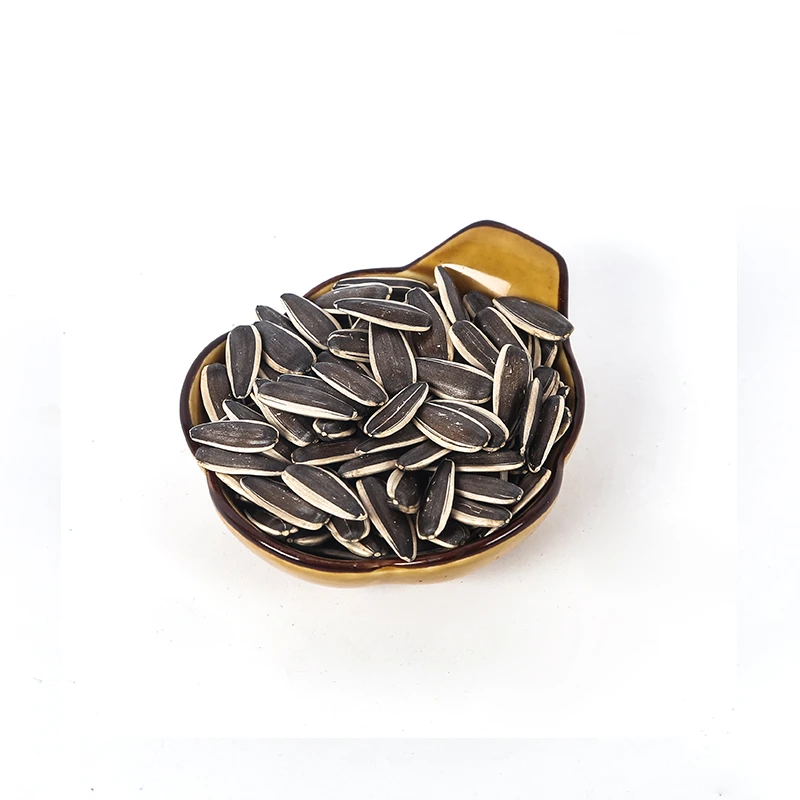
High quality private label sunflower seeds represent a significant segment within the global snack food and agricultural commodity markets. Technically positioned between primary agricultural production and consumer packaged goods, sunflower seed quality is paramount for brand reputation and consistent product performance. This guide details the critical factors influencing seed quality, encompassing genetics, post-harvest processing, compositional analysis, and relevant industry standards. Core performance characteristics include kernel content (weight percentage of seed kernel to total seed weight), oil content within the kernel, moisture content impacting shelf life, and absence of foreign material/aflatoxin contamination. Maintaining these specifications is crucial for meeting food safety regulations and consumer expectations. The inherent variability in agricultural products necessitates stringent quality control procedures throughout the entire supply chain, making a comprehensive understanding of the underlying science vital for private label brand owners.
Material Science & Manufacturing
Sunflower seeds ( Helianthus annuus) comprise three key components: the hull (pericarp), the kernel (cotyledon), and the embryo. The hull’s composition is primarily cellulose and lignin, conferring structural integrity but offering limited nutritional value. The kernel, the economically valuable portion, is rich in lipids (40-55%), proteins (18-25%), carbohydrates (10-20%), and fiber. Oil content varies substantially based on the sunflower variety (linoleic, high oleic, mid-oleic) and growing conditions. Manufacturing begins with harvesting, followed by drying to a target moisture content (typically 8-10%) to prevent fungal growth and maintain germination rates if the seeds are for further breeding. Cleaning removes debris, stems, leaves, and weed seeds. Dehulling – the removal of the outer hull – is a critical step, typically achieved through mechanical abrasion or cracking. The parameters controlling dehulling efficiency include impact velocity, abrasion surface roughness, and seed moisture content. Kernel breakage during dehulling necessitates further grading and sorting. Seed sizing and density separation are employed to achieve uniformity. Quality control at each stage relies on visual inspection, automated optical sorting, and laboratory analysis for oil content (Soxhlet extraction or NMR), protein content (Kjeldahl method), moisture content (oven drying method), and aflatoxin levels (HPLC). Proper storage conditions (temperature <25°C, relative humidity <65%) are vital for preserving seed quality and preventing rancidity caused by lipid oxidation.
Performance & Engineering
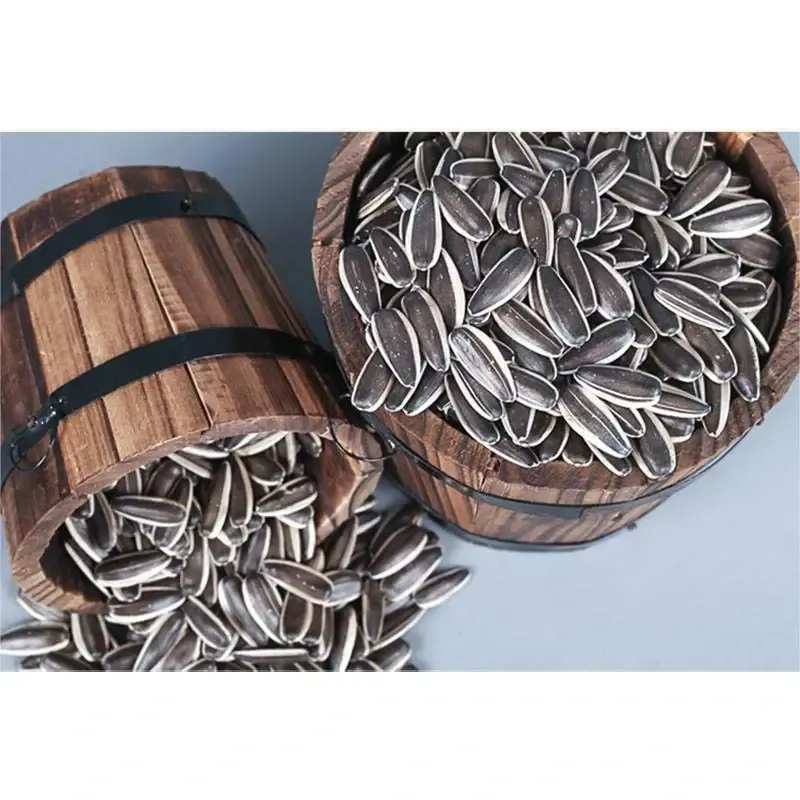
Sunflower seed performance is largely defined by its mechanical properties and resistance to degradation. Hull strength, measured through impact resistance testing, dictates the efficiency of dehulling and minimizes kernel damage. Kernel hardness, evaluated via compression tests, impacts the textural experience for consumers. Moisture content significantly influences these properties; high moisture content softens the kernel, increasing susceptibility to microbial growth. Environmental resistance centers on maintaining seed viability and preventing lipid oxidation. Exposure to ultraviolet (UV) radiation accelerates lipid peroxidation, leading to off-flavors and reduced nutritional value. Packaging materials with UV-blocking properties are therefore critical. Regarding compliance, sunflower seeds intended for human consumption must adhere to stringent food safety regulations. Aflatoxin contamination, produced by Aspergillus fungi, is a major concern. Maximum permissible aflatoxin levels are dictated by regulatory bodies (e.g., FDA in the US, EFSA in Europe). Force analysis during processing (dehulling, sorting) is essential to optimize equipment parameters and minimize kernel damage. Stress analysis of seed processing machinery is vital for preventative maintenance and longevity. Finally, the physical stability of the seed coating (if applied – e.g., salt or flavorings) impacts product appearance and shelf-life adherence.
Technical Specifications
| Parameter | Unit | Grade A | Grade B |
|---|---|---|---|
| Kernel Content | % (weight/total seed) | ≥ 58 | 52-57 |
| Oil Content (Kernel) | % (weight/kernel weight) | ≥ 40 | 36-39 |
| Moisture Content | % (weight/total seed) | ≤ 10 | 10.1-12 |
| Foreign Material | % (weight/total seed) | ≤ 1 | 1.1-2 |
| Damaged Kernels | % (number/total kernels) | ≤ 2 | 2.1-5 |
| Aflatoxin (Total) | ppb (parts per billion) | ≤ 20 | 21-40 |
Failure Mode & Maintenance
Sunflower seed failure modes fall into several categories. Lipid Oxidation/Rancidity: Initiated by exposure to oxygen, light, and heat, leading to off-flavors and reduced nutritional value. Mitigation involves packaging in airtight, opaque containers with antioxidants (e.g., Vitamin E). Microbial Growth: Primarily Aspergillus species causing aflatoxin contamination. Prevented by adequate drying, proper storage, and the use of antifungal treatments (where permitted by regulations). Kernel Cracking/Damage: Results from aggressive dehulling or handling, reducing product quality and increasing susceptibility to oxidation. Maintenance of processing equipment (dehullers, sorters) is crucial, including regular inspection and replacement of worn parts. Hull Contamination: Presence of residual hull fragments can affect taste and texture. Optimize dehulling parameters and improve cleaning/sorting efficiency. Moisture Absorption: Leads to softening of kernels and increased risk of microbial growth. Proper storage in low-humidity environments is essential. Pest Infestation: Storage pests (e.g., moths, beetles) can cause significant damage. Employ preventative pest control measures (e.g., sanitation, insect traps). Regular monitoring of seed quality parameters (oil content, moisture content, aflatoxin levels) throughout the storage period is critical for identifying and addressing potential issues before they escalate.
Industry FAQ
Q: What is the primary determinant of sunflower seed oil quality for high-oleic varieties?
A: The primary determinant is the percentage of oleic acid present in the oil. High-oleic sunflower seeds are bred to contain >70% oleic acid, conferring greater oxidative stability and a longer shelf life compared to linoleic varieties. GC-FID (Gas Chromatography with Flame Ionization Detection) is the standard method for quantifying oleic acid content.
Q: How does dehulling pressure impact kernel damage and overall yield?
A: Higher dehulling pressures generally increase yield (percentage of seeds successfully dehulled) but also significantly increase the risk of kernel cracking and breakage. Optimization requires a careful balance, informed by seed variety, moisture content, and the specific dehulling equipment employed. Experimental design (DOE) techniques are valuable for identifying optimal parameters.
Q: What regulatory limits govern aflatoxin levels in sunflower seeds destined for the European Union?
A: The European Union establishes a maximum level of 2 ppb for total aflatoxins in sunflower seeds intended for direct human consumption (Regulation (EC) No 1881/2006). Routine testing using HPLC-MS/MS (High-Performance Liquid Chromatography with tandem Mass Spectrometry) is mandatory for compliance.
Q: Beyond aflatoxin, what other mycotoxins should be monitored in sunflower seeds?
A: While aflatoxin is the most prominent concern, other mycotoxins, such as ochratoxin A, may also occur. Monitoring depends on the growing region and storage conditions. Regular screening for multiple mycotoxins is a best practice for ensuring product safety and meeting evolving regulatory requirements.
Q: How does seed variety influence the susceptibility to lipid oxidation during storage?
A: Seed variety significantly impacts the composition of the oil, particularly the levels of polyunsaturated fatty acids (PUFAs) like linoleic acid. Higher linoleic acid content increases susceptibility to oxidation. High-oleic varieties, with their lower PUFA content, exhibit superior oxidative stability and longer shelf lives. Antioxidant levels naturally present in the seed also vary by variety.
Conclusion
Maintaining the quality of high quality private label sunflower seeds requires a holistic approach encompassing careful seed selection, optimized processing parameters, and stringent quality control measures. Understanding the interplay between material science, manufacturing techniques, and performance characteristics is fundamental for ensuring product safety, nutritional value, and consumer acceptability. The critical control points lie in minimizing kernel damage during dehulling, controlling moisture content, and preventing aflatoxin contamination.
Future advancements in sunflower seed technology will likely focus on developing varieties with enhanced oxidative stability, improved dehulling characteristics, and increased resistance to mycotoxin production. Continued investment in advanced analytical techniques and process monitoring will be essential for maintaining the highest standards of quality and meeting evolving consumer demands. Adherence to international standards and regulatory guidelines remains paramount for successful market penetration and long-term brand reputation.
