Introduction
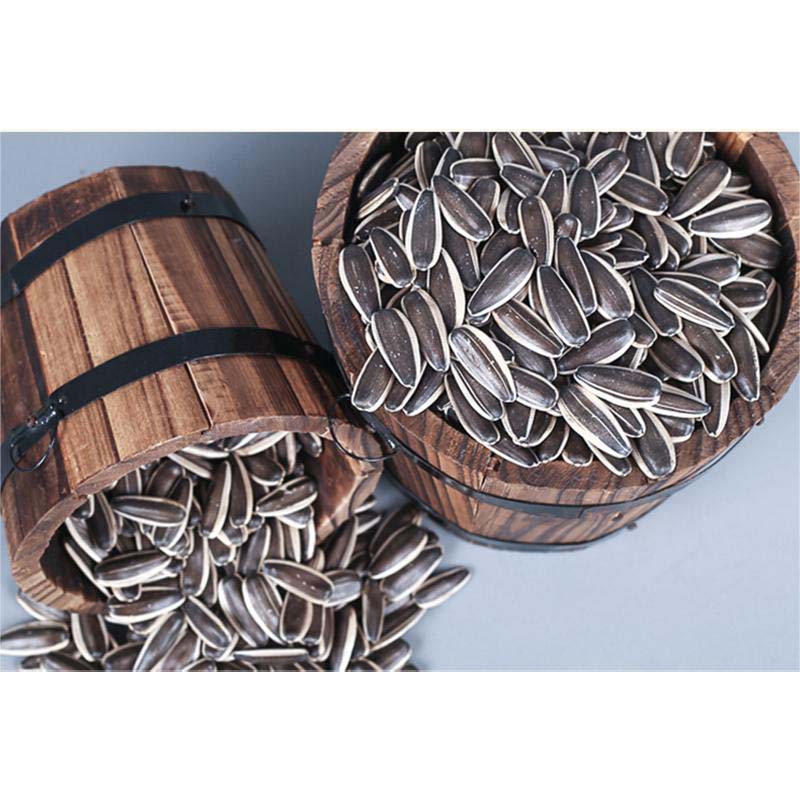
Sunflower seeds ( Helianthus annuus ) represent a significant component of the global edible seed market, categorized broadly into oilseed and confectionary varieties. This technical guide focuses on high quality price sunflower seeds intended for direct human consumption (confectionary grade). These seeds occupy a specialized niche within the agricultural supply chain, demanding stringent quality control parameters beyond those applied to oilseed production. The industry is facing increasing pressure to optimize yield, enhance nutritional profiles, and maintain consistent product quality in the face of climate variability and evolving consumer preferences. Key performance indicators for confectionary sunflower seeds include kernel weight, oil content (influencing palatability), hull percentage, and freedom from defects. This guide will detail the material science, manufacturing processes, performance characteristics, failure modes, and relevant standards governing the production and maintenance of high-quality sunflower seeds.
Material Science & Manufacturing
The sunflower seed itself is a complex biological structure. The kernel, the edible portion, comprises approximately 40-55% oil, 20-30% protein, 15-20% carbohydrates, and 5-10% fiber. The hull, or pericarp, consists primarily of cellulose and lignin, providing structural protection. Raw material selection starts with hybrid varieties bred for specific kernel characteristics – large size, high oil content, and thin hull. Manufacturing begins with field cultivation, where soil composition, irrigation, and fertilization significantly influence seed quality. Harvesting is critical; premature harvesting results in immature kernels with lower oil content and poor flavor. Mechanical harvesting subjects seeds to impact and abrasion, potentially causing micro-cracks in the hull and kernel. Post-harvest processing includes cleaning (removing debris, stalks, and other seeds), drying (reducing moisture content to approximately 8-10% to prevent fungal growth and maintain viability), dehulling (removing the hull – often using impact or friction methods), sizing (separating kernels by diameter), and sorting (removing damaged or discolored seeds, often using optical sorting technology). Parameter control during drying is crucial; excessive temperatures degrade oil quality and protein structure. Dehulling efficiency affects the final product yield and kernel appearance. Careful calibration of sizing and sorting equipment is essential to maintain consistent product specifications. Chemical treatments (e.g., with food-grade calcium chloride) are sometimes applied post-dehulling to improve shell strength and reduce breakage during further processing.
Performance & Engineering
Performance of confectionary sunflower seeds is evaluated based on several engineering principles. Shear force analysis is used to determine the force required to crack the kernel during consumption, directly impacting perceived texture. Hull strength, measured by compression testing, influences the resistance to cracking during handling and transportation. Oil stability, determined via rancidity tests (Peroxide Value, Anisidine Value), reflects the resistance to oxidative degradation. Moisture content plays a critical role; excessive moisture promotes fungal growth and mycotoxin production, while insufficient moisture leads to brittleness and cracking. Packaging plays a vital role in preserving seed quality. Barrier properties of packaging materials (oxygen transmission rate - OTR, water vapor transmission rate - WVTR) are engineered to minimize oxidation and moisture uptake. Compliance requirements include adherence to food safety regulations (e.g., FDA in the US, EFSA in Europe) regarding pesticide residues, heavy metal contamination, and mycotoxin levels. Furthermore, seed size and uniformity are important for automated packaging processes and consistent consumer experience. Storage conditions – temperature, humidity, and light exposure – significantly impact long-term seed quality, necessitating controlled environment storage facilities.
Technical Specifications
| Parameter | Unit | Specification (Premium Grade) | Test Method |
|---|---|---|---|
| Kernel Weight | g/100 kernels | > 2.0 | Weighting & Calculation (ASTM E177) |
| Oil Content | % (Dry Weight Basis) | > 50 | Soxhlet Extraction (AOCS Official Method) |
| Hull Percentage | % (Weight Basis) | < 8 | Manual Separation & Weighing |
| Moisture Content | % | 8 - 10 | Oven Drying (AACC Method 915.03) |
| Broken Kernels & Foreign Matter | % | < 2 | Visual Inspection & Sorting |
| Peroxide Value | meq O2/kg | < 5 | Titration (AOCS Official Method) |
Failure Mode & Maintenance
Sunflower seeds are susceptible to several failure modes. Oxidative rancidity is a primary concern, leading to off-flavors and reduced nutritional value. This is exacerbated by exposure to oxygen, light, and elevated temperatures. Mechanical damage (cracking, chipping) occurs during harvesting, processing, and handling, compromising appearance and increasing susceptibility to moisture uptake. Fungal contamination (e.g., Aspergillus species) can lead to mycotoxin production, rendering the seeds unsafe for consumption. Insect infestation can cause significant damage and contamination. Maintenance strategies include: controlled atmosphere storage (reducing oxygen levels); packaging with high barrier properties; regular monitoring of moisture content and peroxide value; implementation of robust pest control programs; and adherence to strict sanitation protocols throughout the processing chain. Preventative maintenance of processing equipment (dehullers, sorters) is crucial to minimize mechanical damage. Regular quality control testing (mycotoxin analysis, pesticide residue analysis) is essential to ensure product safety and compliance. Long-term storage requires cool, dry conditions (typically <15°C and <65% relative humidity) and protection from direct sunlight. Seed treatments with antifungal agents (where permitted by regulations) can provide an additional layer of protection.
Industry FAQ
Q: What is the impact of different sunflower varieties on the final oil content and flavor profile of the seeds?
A: Different sunflower varieties exhibit significant variations in their genetic predisposition for oil accumulation and the composition of fatty acids within that oil. High-oleic varieties, for instance, contain a higher proportion of oleic acid, resulting in improved oxidative stability and a milder flavor. Linoleic varieties have a higher linoleic acid content, which can contribute to a more pronounced flavor but is more susceptible to rancidity. Breeding programs continually focus on optimizing these characteristics based on market demands.
Q: How does the dehulling process affect the shelf life and appearance of the sunflower seeds?
A: The dehulling process, while essential for confectionary use, can introduce micro-cracks in the kernel, increasing its surface area and susceptibility to oxidation. Inefficient dehulling leaves residual hull fragments attached, affecting appearance and potentially contributing to off-flavors. Optimized dehulling minimizes damage and ensures a clean, polished kernel, extending shelf life and enhancing consumer appeal. Furthermore, the force applied during dehulling impacts shell strength.
Q: What are the critical control points for preventing mycotoxin contamination in sunflower seed production?
A: Critical control points include pre-harvest monitoring for insect damage (which provides entry points for fungal infection), proper drying to reduce moisture content to safe levels, effective sanitation of processing equipment, and regular testing for mycotoxins (aflatoxins, ochratoxins) throughout the supply chain. Implementing integrated pest management strategies to minimize insect pressure is also crucial. Storage conditions are paramount; maintaining cool, dry environments inhibits fungal growth.
Q: What packaging materials provide the best barrier properties for extending the shelf life of confectionary sunflower seeds?
A: Multi-layer films incorporating aluminum foil or metallized polyester provide excellent barriers against oxygen, moisture, and light – the primary drivers of degradation. High-density polyethylene (HDPE) or polypropylene (PP) are commonly used as inner layers for structural integrity. Vacuum packaging or modified atmosphere packaging (MAP) with nitrogen flushing can further reduce oxygen levels and extend shelf life. The choice of material depends on cost considerations and specific shelf-life requirements.
Q: How do international standards (e.g., FDA, EFSA) regulate pesticide residues and heavy metal contamination in sunflower seeds?
A: International standards establish Maximum Residue Limits (MRLs) for various pesticides and heavy metals permitted in sunflower seeds. These limits are based on toxicological assessments and are designed to ensure consumer safety. Regular testing is required to demonstrate compliance with these regulations. The FDA in the US and EFSA in Europe have rigorous monitoring programs and can impose trade restrictions on products exceeding established MRLs. Detailed records of pesticide applications are required throughout the production process.
Conclusion
High quality price sunflower seeds require a meticulous approach to production, encompassing careful variety selection, optimized agricultural practices, controlled processing, and robust quality control measures. Maintaining kernel integrity, minimizing oxidative degradation, and preventing contamination are paramount to ensuring a safe, palatable, and commercially viable product. The interplay between material science, engineering principles, and adherence to stringent regulatory standards dictates the final quality and shelf life of these seeds.
Future advancements in sunflower seed technology will likely focus on breeding for enhanced nutritional profiles (e.g., increased vitamin E content), developing more sustainable agricultural practices, and implementing advanced processing techniques to further minimize damage and maximize yield. Continuous monitoring of emerging food safety concerns and adaptation to evolving consumer preferences will be essential for sustained success in this competitive market.
