Introduction
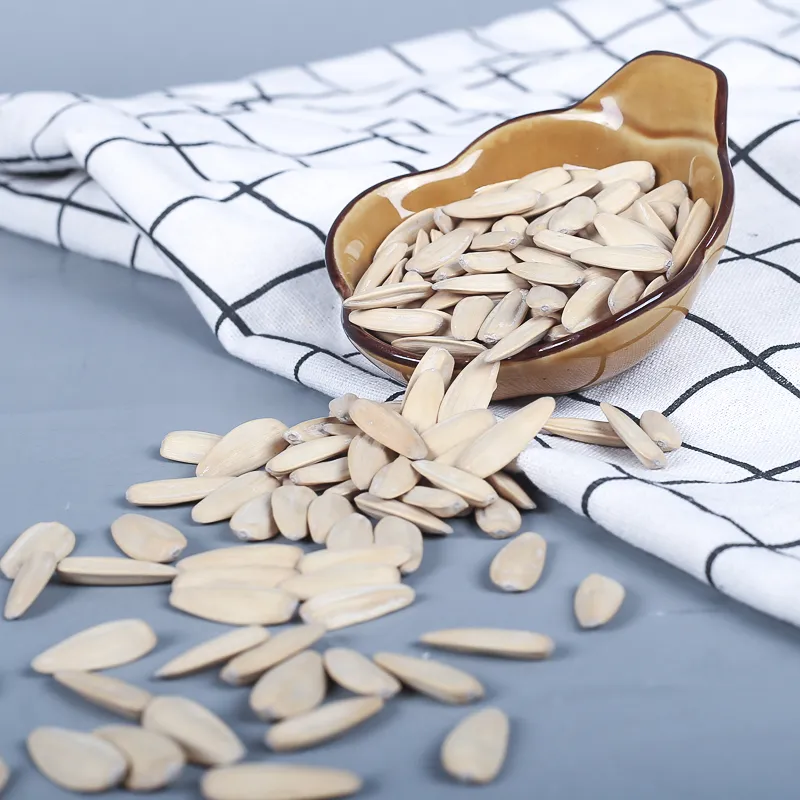
Melon seeds, specifically those of Cucumis melo varieties, represent a significant agricultural commodity with applications spanning direct human consumption, oil extraction, and animal feed. The ‘high quality’ designation within the melon seed industry isn’t simply about visual appearance; it’s a complex attribute dictated by germination rate, oil content, protein profile, absence of contaminants, and adherence to specific varietal standards. This technical guide details the material science, manufacturing processes, performance characteristics, failure modes, and industry standards associated with commercially viable, high-quality melon seeds. The pricing of these seeds is intrinsically linked to these quantifiable quality factors, with premium pricing commanded by seeds exhibiting superior characteristics. Understanding these parameters is crucial for procurement managers, agricultural scientists, and food processing engineers involved in the supply chain.
Material Science & Manufacturing
Melon seeds are primarily composed of lipids (30-50%), proteins (20-30%), carbohydrates (10-20%), and moisture (7-10%). The lipid fraction is predominantly unsaturated fatty acids, including oleic and linoleic acids, influencing oil quality and oxidative stability. The protein content dictates nutritional value and can vary significantly between varieties. Seed coat composition, consisting of cellulose, hemicellulose, and lignin, provides a protective barrier against environmental stress.
Manufacturing begins with harvesting mature melons and extracting the seeds. Critical parameters include timing of harvest (affecting seed maturity and oil content), cleaning methods (removing pulp and debris – typically using a combination of screening and air classification), drying processes (reducing moisture content to below 8% to prevent fungal growth – fluidized bed drying is common), and grading/sizing (separating seeds based on size and density using sieves). Seed treatment, often involving fungicide applications, is implemented to prevent storage-related pathogens. The control of drying temperature is paramount; excessive heat degrades oil quality and reduces germination rate. Storage conditions – low temperature (below 15°C) and humidity (below 60%) – are essential to maintain viability and prevent rancidity. Varietal selection also plays a significant role; hybrid seeds bred for specific oil content, protein profiles, and disease resistance command a price premium.
Performance & Engineering
The performance of melon seeds is judged by several key engineering characteristics. Germination rate, the percentage of seeds that successfully sprout under controlled conditions, is a primary indicator of quality. Oil yield, expressed as a percentage of seed weight, directly impacts economic viability. Oil quality, determined by fatty acid profile (oleic, linoleic, palmitic acid content) and peroxide value (a measure of oxidative rancidity), influences its suitability for various applications. Mechanical strength of the seed coat, assessed via fracture resistance testing, impacts its ability to withstand handling and processing.
Environmental resistance is crucial. High-quality seeds must exhibit tolerance to temperature fluctuations, humidity variations, and potential contamination during storage and transportation. Compliance requirements dictate the permissible levels of heavy metals (lead, cadmium), pesticides, and mycotoxins. Functional implementation focuses on optimizing oil extraction processes (cold pressing versus solvent extraction – impacting oil quality and yield) and utilizing the seed meal as a protein-rich animal feed ingredient. Seed coating technologies, employing polymers and nutrient additives, are increasingly used to enhance germination rates and protect against soil-borne diseases.
Technical Specifications
| Parameter | Unit | Grade A (Premium) | Grade B (Standard) |
|---|---|---|---|
| Germination Rate | % | ≥ 92 | 85 – 91 |
| Oil Content | % (Dry Weight Basis) | ≥ 45 | 40 – 44 |
| Protein Content | % (Dry Weight Basis) | ≥ 28 | 25 – 27 |
| Moisture Content | % | ≤ 7 | 7 – 9 |
| Oleic Acid Content (of Total Fat) | % | ≥ 60 | 50 – 59 |
| Peroxide Value (PV) | meq O2/kg | ≤ 3 | 3 – 6 |
Failure Mode & Maintenance
Melon seed failure modes are diverse. Physical damage during harvesting and processing (cracking, chipping) reduces viability. Prolonged storage under unfavorable conditions (high temperature, humidity) leads to decreased germination rate and oil rancidity (oxidative degradation). Fungal contamination, particularly by Aspergillus species, results in mycotoxin production (aflatoxins) rendering the seeds unusable. Insect infestation causes direct seed damage and introduces contaminants. Genetic deterioration over successive generations of saved seeds reduces germination rate and yield potential.
Maintenance strategies focus on preventative measures. Implementing proper harvesting techniques to minimize physical damage, employing controlled-environment storage (low temperature, humidity), and applying appropriate seed treatments (fungicides, insecticides) are crucial. Regular monitoring for fungal growth and insect infestation is essential. Implementing a robust quality control system, including periodic germination testing and oil quality analysis, allows for early detection of degradation. Using certified seeds from reputable suppliers mitigates the risk of genetic deterioration and contamination.
Industry FAQ
Q: What is the impact of seed moisture content on long-term storage viability?
A: Seed moisture content is arguably the most critical factor for long-term storage. Above 8%, the risk of fungal growth and enzymatic activity significantly increases, leading to decreased germination rates and oil rancidity. Maintaining a moisture content below 7%, ideally 6%, coupled with low temperature and humidity, is essential for preserving viability for extended periods (1-2 years or more).
Q: How does the oil content influence the pricing of melon seeds?
A: Oil content is a primary driver of price. Higher oil content translates to greater yield during oil extraction, making the seeds more valuable. The fatty acid profile also plays a role; seeds rich in oleic acid (considered a healthier fat) command a premium compared to those with lower oleic acid content.
Q: What are the implications of aflatoxin contamination in melon seeds?
A: Aflatoxin contamination is a serious concern due to its toxicity. Regulatory limits for aflatoxin levels are strictly enforced. Contaminated seeds are unsuitable for human or animal consumption and must be rejected. Preventative measures, including proper drying, storage, and fungicide applications, are crucial to minimize the risk of aflatoxin contamination.
Q: What is the difference between cold-pressed and solvent-extracted melon seed oil?
A: Cold-pressed oil is extracted mechanically, without the use of chemical solvents. It retains more of the natural flavor and nutrients but yields less oil. Solvent-extracted oil uses hexane or other solvents to maximize oil yield. While more efficient, it may contain trace solvent residues and can result in a lower quality oil with altered flavor profiles.
Q: How do varietal differences impact the overall quality and price of melon seeds?
A: Varietal differences are substantial. Hybrid seeds bred for specific traits – high oil content, high germination rate, disease resistance, improved fatty acid profile – consistently command higher prices. Certain varieties are also preferred for specific end-use applications (e.g., oil extraction versus direct consumption).
Conclusion
The quality and price of melon seeds are determined by a complex interplay of material science, manufacturing processes, and performance characteristics. Achieving high quality requires meticulous control throughout the entire supply chain, from harvesting and drying to storage and seed treatment. Understanding key parameters such as germination rate, oil content, moisture content, and aflatoxin levels is paramount for both suppliers and purchasers.
The industry is increasingly focused on sustainable practices, including the development of disease-resistant varieties, optimized drying techniques to minimize energy consumption, and improved storage solutions to reduce post-harvest losses. Continued research into seed coating technologies and genetic improvement programs will further enhance the quality, yield, and economic viability of melon seed production.
