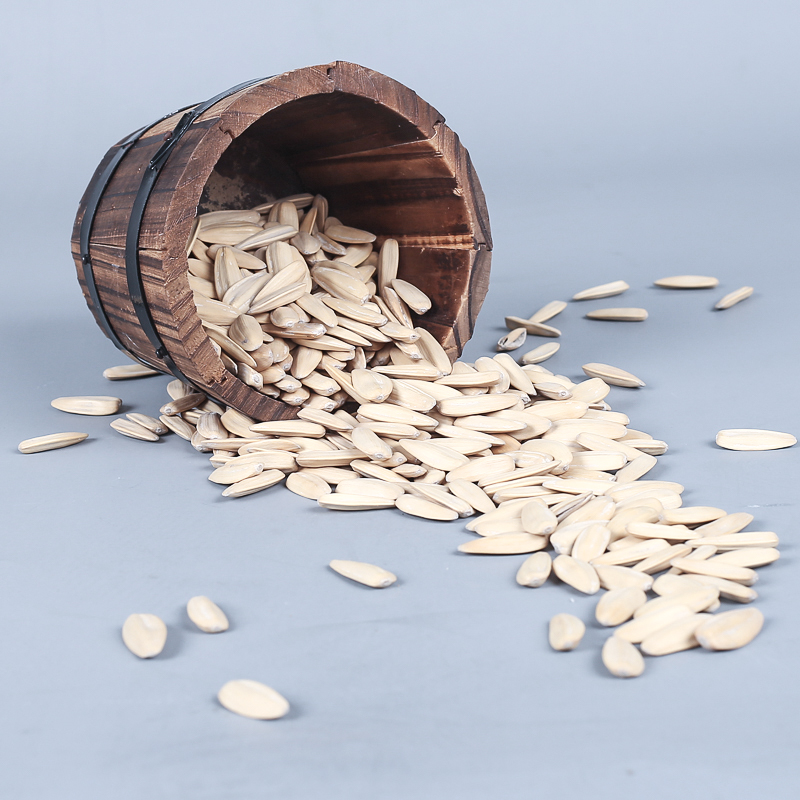
Introduction
High quality plain sunflower seeds ( Helianthus annuus) represent a significant agricultural commodity, positioned within the food processing and snack food industries. These seeds, distinct from oil-type varieties, are specifically cultivated for direct human consumption. Their technical position resides in the post-harvest processing chain, bridging agricultural production and consumer packaged goods. Core performance characteristics center around kernel size, oil content (relevant even for ‘plain’ seeds impacting texture), protein content, moisture levels, and the absence of defects impacting palatability and shelf-life. The increasing demand for healthy snacks and plant-based protein sources drives consistent quality demands in this sector, demanding stringent control across all processing stages. Industry pain points include maintaining consistent kernel size and minimizing aflatoxin contamination, directly influencing consumer acceptance and regulatory compliance. Proper handling and storage are crucial to maintain viability and prevent rancidity.
Material Science & Manufacturing
Sunflower seeds, botanically achenes, are comprised of a hull (pericarp) and a kernel (embryo). The hull's material composition is primarily cellulose and lignin, providing a protective layer. Kernel composition consists of approximately 20-50% oil (primarily linoleic acid), 20-30% protein, 15-25% carbohydrate, and 5-10% fiber. Seed maturation induces the accumulation of oil bodies within the cotyledons. Manufacturing begins with harvesting, typically employing combine harvesters. Crucially, timely harvesting minimizes field losses and prevents pre-harvest sprouting which degrades quality. Post-harvest processing involves cleaning to remove debris (stalks, leaves, weed seeds), sizing/grading to separate seeds based on diameter, and drying to reduce moisture content to approximately 8-10% for optimal storage stability. Drying is a critical parameter – excessive temperatures (>60°C) can denature proteins and induce lipid oxidation, impacting flavor. Hulling, while not universally performed for “plain” seeds (often sold in-shell), is a mechanical process involving abrasion to remove the pericarp. Control of abrading force is vital to avoid kernel damage. Finally, seeds are typically polished to remove residual dust and surface contaminants. Optical sorting technologies are increasingly employed to eliminate discolored or defective seeds. Maintaining a consistent seed density is crucial for efficient processing and uniformity in the final product.
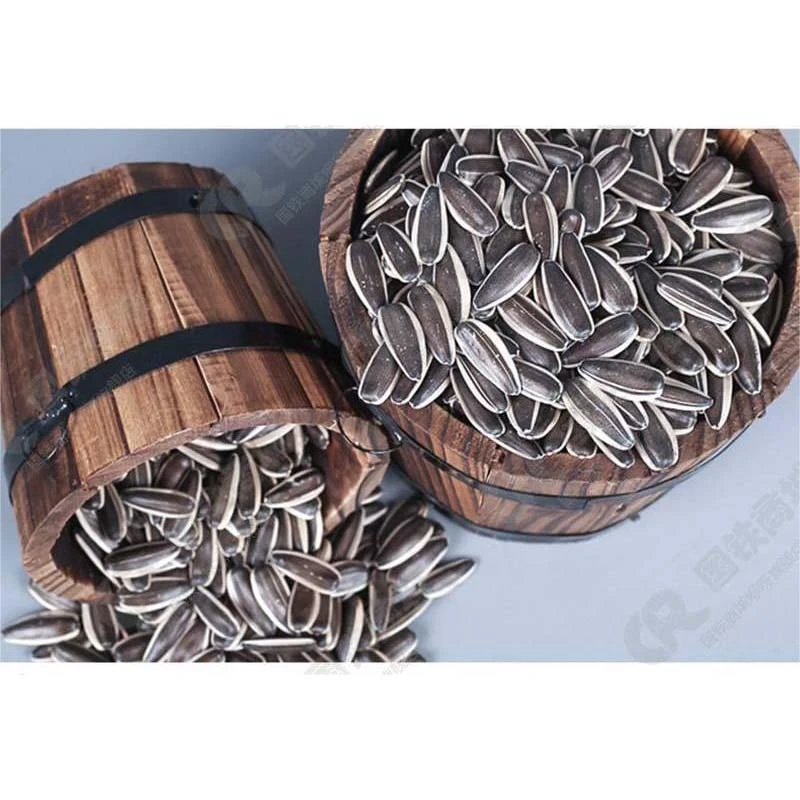
Performance & Engineering
Performance analysis of sunflower seeds focuses on mechanical properties and resistance to environmental stressors. Kernel hardness, measured by compression testing, directly impacts the force required for cracking during consumption. Higher hardness generally correlates with better processing resistance (less breakage during handling). Moisture content plays a critical role; excessively low moisture (<7%) leads to brittleness and increased susceptibility to cracking, while excessive moisture (>10%) promotes microbial growth and rancidity. Shelf-life modeling considers temperature, humidity, and oxygen permeability of packaging materials. The primary degradation pathway is lipid oxidation, leading to off-flavors and reduced nutritional value. Engineering considerations involve optimal storage conditions (temperature <20°C, relative humidity <65%, dark environment) to minimize oxidation and maintain seed viability. Packaging materials must provide a barrier against oxygen and moisture. Finite element analysis can be used to optimize hulling processes, minimizing kernel damage and maximizing yield. The seeds' structural integrity is also important for transportation, assessing resistance to impact and compression during bulk handling and logistics. Proper ventilation within storage facilities is crucial to prevent localized heating and moisture condensation.
Technical Specifications
| Parameter | Unit | Typical Value (High Quality) | Acceptable Range |
|---|---|---|---|
| Kernel Size (Diameter) | mm | 12-15 | 10-17 |
| Moisture Content | % (wet basis) | 8.5 | 7.0-10.0 |
| Oil Content (Kernel) | % (dry basis) | 40-50 | 35-55 |
| Protein Content (Kernel) | % (dry basis) | 20-25 | 18-28 |
| Aflatoxin B1 Level | ppb | <2 | <4 (Regulatory Limit - Varies by Region) |
| Kernel Hardness (Compression Force) | N | 80-120 | 60-150 |
Failure Mode & Maintenance
Failure modes for sunflower seeds primarily relate to degradation during storage and handling. Rancidity, caused by lipid oxidation, is a major concern, manifesting as off-flavors and reduced nutritional value. This is accelerated by exposure to oxygen, light, and elevated temperatures. Mechanical damage (cracking, chipping) occurs during harvesting, processing, and transport, reducing market value and increasing susceptibility to moisture absorption and microbial contamination. Biological deterioration, including mold growth (particularly Aspergillus species leading to aflatoxin production) and insect infestation, presents a significant risk, especially in warm, humid environments. Maintenance strategies focus on proactive measures. Implementing proper drying protocols, employing airtight storage containers, controlling temperature and humidity, and utilizing insect control measures are critical. Regular monitoring of moisture content, aflatoxin levels, and visual inspection for signs of mold or insect damage are essential. Preventative packaging techniques include vacuum sealing or modified atmosphere packaging (MAP) to reduce oxygen exposure. Implementing a robust HACCP (Hazard Analysis and Critical Control Points) plan is vital for ensuring food safety and preventing contamination.
Industry FAQ
Q: What is the optimal moisture content for long-term sunflower seed storage?
A: The optimal moisture content for long-term sunflower seed storage is between 7.0% and 8.5% (wet basis). Below 7.0%, the seeds become brittle and prone to cracking. Above 8.5%, the risk of mold growth and lipid oxidation significantly increases, leading to reduced shelf life and potential aflatoxin contamination.
Q: How does the oil content affect the shelf life of sunflower seeds?
A: Higher oil content generally correlates with a shorter shelf life, as the oil is susceptible to oxidation. While oil content is a desirable characteristic for nutritional value, it necessitates more stringent storage conditions to prevent rancidity. Antioxidants can be incorporated into packaging materials or as seed coatings to mitigate oxidation.
Q: What are the regulatory limits for aflatoxin in sunflower seeds?
A: Aflatoxin regulatory limits vary significantly by region. In the United States, the FDA limit for aflatoxin in foods (including sunflower seeds) is 20 ppb. The European Union has a maximum limit of 2 µg/kg (2 ppb). Compliance with the relevant regional regulations is crucial for market access.
Q: How can we minimize mechanical damage during processing and handling?
A: Minimizing mechanical damage requires careful control of processing parameters. Gentle handling during harvesting, cleaning, and drying is essential. Optimizing impact forces during hulling (if applicable) and avoiding excessive compression during transportation reduces breakage. Employing conveyor systems with soft cushioning and using appropriately sized packaging containers can also help.
Q: What is the role of packaging in maintaining sunflower seed quality?
A: Packaging plays a critical role in protecting sunflower seeds from environmental factors that contribute to degradation. Packaging materials should provide a barrier against oxygen, moisture, and light. Vacuum sealing or modified atmosphere packaging (MAP) can extend shelf life by reducing oxygen exposure. The material should also be robust enough to withstand the rigors of handling and transportation.
Conclusion
The quality of plain sunflower seeds hinges on a complex interplay of botanical characteristics, meticulous processing, and stringent storage practices. Maintaining optimal moisture content, minimizing lipid oxidation, and preventing aflatoxin contamination are paramount. Consistent kernel size and minimal mechanical damage contribute to both processing efficiency and consumer appeal. Adherence to international standards and robust quality control measures are non-negotiable for ensuring a safe, palatable, and commercially viable product.
Future trends in sunflower seed processing will likely focus on optimizing harvesting techniques to minimize field losses, developing novel packaging materials with enhanced barrier properties, and utilizing advanced sensor technologies for real-time monitoring of seed quality during storage and transport. Continued research into the genetic improvement of sunflower varieties for increased oil stability and enhanced resistance to mold growth will further enhance the long-term viability of this important agricultural commodity.
