Introduction
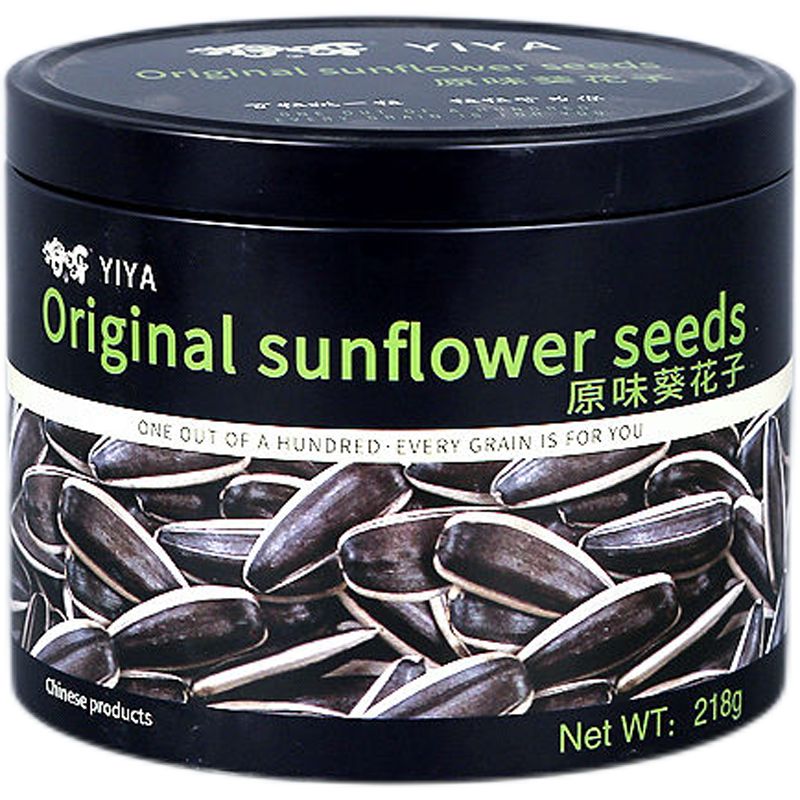
High quality peach flavored sunflower seeds represent a significant segment within the broader snack food industry, specifically categorized under flavored seeds and confectionary sunflower products. Their technical position in the supply chain extends from agricultural production of sunflower seeds ( Helianthus annuus ) through post-harvest processing, flavor encapsulation, and packaging. Core performance characteristics are defined by a combination of seed quality (oil content, kernel size, hull integrity), flavor adhesion and stability, and overall sensory appeal. Consumer demand is driven by a preference for convenient, flavorful, and relatively healthy snack options, leading to increased sophistication in flavoring techniques and quality control measures. The industry faces challenges related to maintaining consistent flavor profiles, mitigating acrylamide formation during roasting, and ensuring compliance with food safety regulations.
Material Science & Manufacturing
The foundational material is the sunflower seed kernel, composed primarily of lipids (40-50% oil content, predominantly linoleic acid), proteins (20-25%), carbohydrates (15-20%), and fiber. Kernel density varies based on cultivar and growing conditions, typically ranging from 0.75 to 0.95 g/cm³. The seed hull, a protective outer layer, is comprised of cellulose and lignin. Manufacturing begins with harvesting and drying to reduce moisture content to approximately 8-10% to inhibit mold growth. The seeds undergo dehulling, often utilizing impact or friction-based machinery, followed by size grading to ensure uniformity. The ‘peach flavor’ is achieved through a multi-stage process. Initially, a carrier substance (typically maltodextrin or gum arabic) is used to bind the flavoring agents. These agents, which are complex mixtures of natural and artificial flavor compounds mimicking peach aroma and taste (primarily esters like amyl acetate and hexyl acetate), are applied via spray coating or tumbling. Key parameters controlled during flavoring include coating solution viscosity, spray nozzle pressure, drum rotation speed (tumbling), and drying temperature (typically 40-60°C) to optimize flavor adhesion and prevent clumping. Roasting, conducted at controlled temperatures (120-150°C), enhances flavor development but must be carefully managed to minimize acrylamide formation, a potential carcinogen. The final stage involves seasoning with salt and packaging in moisture-proof films (typically metallized polypropylene or polyethylene terephthalate) to maintain freshness and prevent oxidation.
Performance & Engineering
Performance is assessed through several engineering criteria. Flavor adhesion strength, measured in Newtons (N), determines the resistance of the flavoring to abrasion during handling and consumption. This is governed by the surface tension of the coating solution and the surface roughness of the seed kernel. Moisture content control (target: <5%) is crucial for preventing microbial growth and maintaining texture. The shear strength of the seed kernel is a key parameter determining its resistance to cracking during processing and consumption. This is influenced by the oil content and protein structure. Environmental resistance, specifically oxidative stability, is evaluated through accelerated aging tests (e.g., Rancimat method) to determine the shelf life of the product. Compliance requirements include adherence to FDA regulations regarding food additives, labeling, and Good Manufacturing Practices (GMP). Force analysis, specifically compression testing, is employed to quantify the texture of the roasted seeds and optimize roasting parameters. The flavor profile’s stability under varying temperature and humidity conditions is analyzed to confirm consistent quality throughout distribution and storage.
Technical Specifications
| Parameter | Unit | Specification | Test Method |
|---|---|---|---|
| Moisture Content | % | ≤ 5.0 | Karl Fischer Titration (AOAC 925.10) |
| Oil Content | % | 40 - 50 | Soxhlet Extraction (AOAC 920.39) |
| Flavor Adhesion Strength | N | ≥ 0.8 | Tensile Tester (ASTM D882) - Modified for seed surface |
| Acrylamide Content | ppb | ≤ 100 | GC-MS (Gas Chromatography-Mass Spectrometry) |
| Peroxide Value | meq O₂/kg | ≤ 5.0 | Titrimetric Method (AOCS Cd 8-53) |
| Kernel Size (Average Diameter) | mm | 10-12 | Sieve Analysis |
Failure Mode & Maintenance
Failure modes in peach flavored sunflower seeds encompass several areas. Flavor degradation, manifested as a fading or altered peach aroma, is often due to oxidation of flavor compounds or loss of volatile components during storage. This can be mitigated by employing oxygen absorbers within packaging and using high-quality, encapsulated flavorings. Rancidity, caused by lipid oxidation, results in an off-flavor and odor, indicated by a high peroxide value. Prevention involves using seeds with low initial peroxide values, packaging with barrier properties against oxygen, and storage at low temperatures. Physical damage, such as kernel cracking or hull fragmentation, can occur during processing or handling, leading to dust formation and reduced product appeal. Optimizing dehulling and roasting parameters, along with careful material handling, minimizes this risk. Microbial contamination, while less common due to roasting, can occur if moisture content is not adequately controlled. Strict adherence to GMP and regular monitoring of microbial load are essential. Maintenance involves proper storage conditions (cool, dry, dark), regular quality control checks (moisture, oil content, peroxide value, flavor profile), and inventory management to minimize storage time. Packaging integrity should be routinely inspected to prevent moisture ingress and oxidation.
Industry FAQ
Q: What are the critical control points regarding acrylamide formation during the roasting process?
A: The most critical control points are roasting temperature and time. Lower roasting temperatures and shorter durations minimize acrylamide formation. Maintaining adequate moisture content in the seeds prior to roasting and avoiding over-drying during the process also reduces the risk. Implementing a pre-treatment with asparaginase, an enzyme that reduces the precursor asparagine, can be considered. Regular monitoring of acrylamide levels is essential.
Q: How does the choice of carrier material (maltodextrin vs. gum arabic) impact flavor adhesion and stability?
A: Gum arabic generally provides superior flavor adhesion due to its higher molecular weight and film-forming capabilities. However, it is more expensive than maltodextrin. Maltodextrin offers good cost-effectiveness but may require higher coating levels to achieve comparable adhesion. Both materials influence flavor release characteristics; gum arabic tends to provide a slower, more sustained release compared to maltodextrin.
Q: What packaging materials are recommended to maximize shelf life and prevent flavor degradation?
A: Metallized polypropylene (MPP) or polyethylene terephthalate (PET) films with a high barrier to oxygen and moisture are highly recommended. Adding a layer of ethylene-vinyl alcohol (EVOH) further enhances barrier properties. Nitrogen flushing before sealing can displace oxygen and extend shelf life. Proper sealing techniques are crucial to maintain barrier integrity.
Q: How is the ‘peach flavor’ profile consistently achieved across different production batches?
A: Maintaining a consistent flavor profile requires precise control of the flavoring compound blend, coating solution viscosity, and drying parameters. Utilizing a standardized flavor concentrate from a reputable supplier is essential. Regular sensory evaluations (taste panels) are crucial to monitor flavor consistency and identify any deviations. Quantitative analytical methods, such as gas chromatography-mass spectrometry (GC-MS), can also be used to assess flavor compound concentrations.
Q: What are the key regulatory requirements for labeling peach flavored sunflower seeds in international markets?
A: Regulatory requirements vary by country. Generally, labeling must include a complete ingredient list, nutritional information (calories, fat content, protein, carbohydrates), allergen information (if applicable), and the manufacturer's name and address. Compliance with country-specific food additive regulations is also required. Import permits and adherence to local food safety standards are essential for international distribution.
Conclusion
The production of high-quality peach flavored sunflower seeds necessitates a thorough understanding of material science, processing parameters, and quality control measures. Achieving optimal product performance relies on careful control of seed quality, efficient flavor encapsulation, precise roasting techniques, and appropriate packaging to ensure both flavor stability and extended shelf life. The industry faces continuous pressure to address concerns regarding acrylamide formation and consumer demand for healthier snack options.
Future trends will likely focus on developing novel flavor encapsulation technologies to enhance flavor adhesion and release, utilizing natural flavor compounds to meet consumer preferences, and implementing advanced process control systems to optimize production efficiency and minimize waste. Continuous innovation in packaging materials and techniques will be crucial for maintaining product freshness and extending shelf life in a competitive market.
