Introduction
High-quality original sunflower seeds represent a significant commodity within the global food and oilseed market. Technically positioned between agricultural production and downstream processing – including edible oil extraction, confectionery applications, and animal feed – their value is determined by kernel content, oil yield, protein profile, and the absence of defects. Sunflower seeds ( Helianthus annuus) are categorized broadly into oilseed varieties (high in linoleic acid) and confectionary varieties (larger kernel size, thicker hulls). Core performance characteristics include oil content (typically 42-58%), protein content (20-25%), and fatty acid composition, which dictate suitability for various applications. A key industry pain point is maintaining consistent quality across harvests, ensuring minimal aflatoxin contamination, and optimizing for desirable oil profiles to meet evolving consumer demands and biofuel standards. This guide provides a comprehensive overview of sunflower seed science, manufacturing, performance characteristics, potential failure modes, and industry best practices.
Material Science & Manufacturing
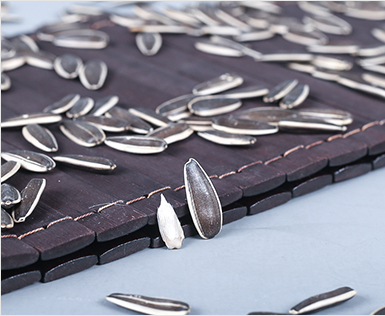
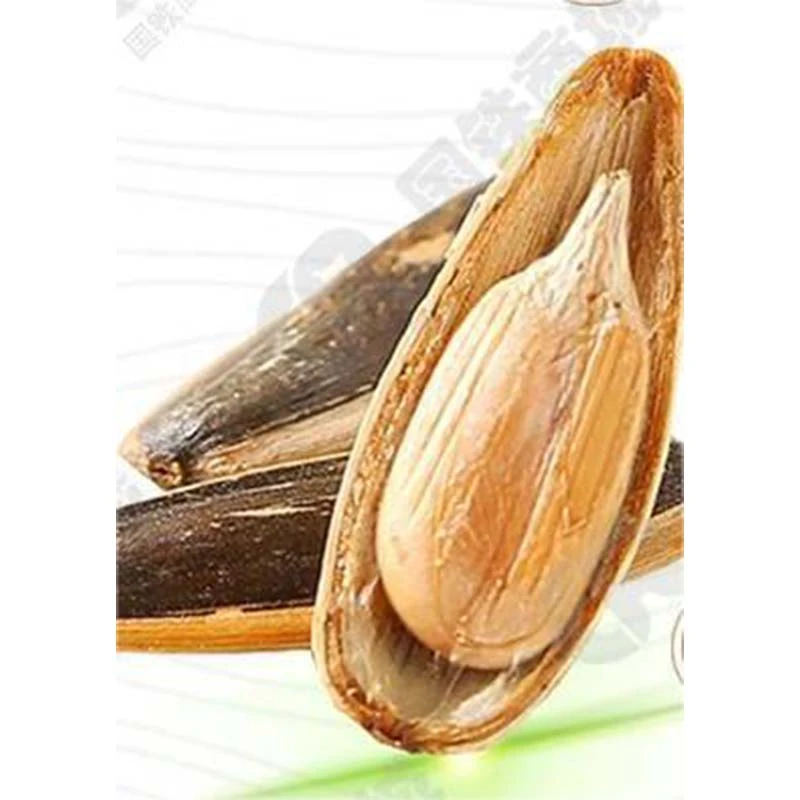
Sunflower seed composition is fundamentally governed by its biological origin, specifically the genetics of the Helianthus annuus plant. The seed consists of three primary components: the hull (pericarp), the kernel (cotyledon), and the embryo. The hull’s physical properties, including thickness and strength, are crucial for mechanical processing and seed protection. Kernel composition is predominantly lipid (triglycerides), with significant amounts of protein (globulins, albumins) and carbohydrates. Manufacturing begins with planting genetically optimized cultivars. Harvesting typically occurs at physiological maturity, indicated by a dark seed coat and moisture content around 18-20%. Drying is critical, reducing moisture content to 9-10% to prevent fungal growth and maintain quality. This is achieved through forced-air drying, a process where temperature and airflow are precisely controlled to avoid thermal damage to oils and proteins. Hulling separates the kernel from the hull, utilizing impact or friction-based methods. Quality control at this stage focuses on kernel damage and foreign material removal. Key parameter control includes maintaining consistent drying temperatures (below 45°C), hulling impact force, and efficient debris removal using aspiration and screening technologies. Oil extraction employs mechanical pressing (expelling) and/or solvent extraction (typically hexane). Solvent extraction yields higher oil recovery but requires rigorous solvent removal to meet food safety standards. The final product undergoes cleaning, grading, and packaging.
Performance & Engineering
Sunflower seed performance is assessed through several engineering parameters. Kernel hardness, measured via impact resistance testing, influences hulling efficiency and kernel damage. Oil yield, expressed as a percentage of kernel weight, is a primary economic driver. Fatty acid profiles – linoleic, oleic, palmitic, and stearic acids – determine oil suitability for specific applications, impacting oxidative stability and nutritional value. Environmental resistance is crucial; seeds must withstand temperature fluctuations during storage and transportation. Moisture content control is paramount, as elevated moisture levels promote fungal growth and aflatoxin production. Aflatoxin levels are rigorously monitored, adhering to regulatory limits (typically <20 ppb). Compliance requirements are dictated by national and international food safety regulations (e.g., FDA, EFSA). Functional implementation involves seed selection for optimal oil content and fatty acid profiles based on end-use requirements. For example, high-oleic sunflower oil is preferred for frying due to its enhanced oxidative stability. Seed coating technologies are also employed to protect seeds from pests and diseases during storage and transportation. Force analysis during hulling operations optimizes machine settings to minimize kernel breakage and maximize yield.
Technical Specifications
| Parameter | Unit | Oilseed Variety | Confectionary Variety |
|---|---|---|---|
| Oil Content | % (dry weight) | 48-58 | 38-45 |
| Protein Content | % (dry weight) | 20-25 | 22-28 |
| Kernel Hardness | N (Newtons) | 50-80 | 80-120 |
| Hull Percentage | % (weight) | 20-30 | 30-40 |
| Moisture Content (max) | % | 9.0 | 9.0 |
| Aflatoxin Level (max) | ppb | 20 | 20 |
Failure Mode & Maintenance
Sunflower seed failure modes encompass both pre- and post-harvest issues. Pre-harvest failures include fungal infections (e.g., Sclerotinia, Botrytis) leading to reduced yield and quality. Aflatoxin contamination, caused by Aspergillus flavus and A. parasiticus, is a significant concern, especially under drought stress. Post-harvest failures include lipid oxidation, resulting in rancidity and off-flavors, accelerated by exposure to oxygen, light, and elevated temperatures. Physical damage during harvesting, drying, and hulling causes kernel breakage, reducing value. Insect infestation during storage also leads to quality degradation. Maintenance strategies involve proper drying techniques to minimize moisture content, optimized storage conditions (cool, dry, dark), and regular monitoring for aflatoxin and insect activity. Seed treatment with fungicides can prevent fungal infections. Implementing robust cleaning and grading systems removes damaged kernels and foreign material. Properly maintained drying equipment ensures efficient moisture removal without thermal damage. Regular inspection of storage facilities for leaks and pest entry points is crucial. For oilseed processors, maintaining solvent extraction equipment to prevent leaks and ensure complete solvent removal is essential.
Industry FAQ
Q: What factors most significantly impact sunflower seed oil yield?
A: Several factors interplay to determine oil yield. Genetic variety plays a paramount role, with specific cultivars bred for higher oil content. Environmental conditions during growth, particularly temperature and water availability, substantially impact lipid accumulation. Proper drying after harvest is crucial; excessive moisture can lead to lipid degradation and inaccurate yield assessments. Finally, the efficiency of the oil extraction process (pressing or solvent extraction) directly influences the recovered oil quantity.
Q: How are aflatoxin levels controlled throughout the supply chain?
A: Aflatoxin control is multi-faceted. Begins with selecting aflatoxin-resistant cultivars. Implementing proper agricultural practices, including minimizing drought stress and controlling insect populations in the field, reduces initial contamination risk. Thorough drying and cleaning of seeds post-harvest are critical. Regular sampling and testing at each stage – harvesting, drying, storage, processing – are essential to monitor aflatoxin levels. Any exceeding limits require rejection or segregation of affected batches.
Q: What is the difference between high-oleic and linoleic sunflower oil, and what are their respective applications?
A: High-oleic sunflower oil contains a high proportion of oleic acid (typically >70%), making it very stable and resistant to oxidation. This makes it ideal for frying, high-heat cooking, and applications requiring long shelf life. Linoleic sunflower oil is rich in linoleic acid (typically >60%), an essential omega-6 fatty acid, and is commonly used in salad dressings, margarine, and other applications where oxidative stability is less critical.
Q: How does kernel hardness affect processing efficiency?
A: Kernel hardness significantly influences hulling efficiency. Harder kernels require more energy to hull, potentially leading to increased breakage and fines. However, excessively soft kernels can also be problematic, as they may shatter during the hulling process. Optimal kernel hardness balances ease of hulling with minimal damage. Processing equipment is often adjusted based on the measured kernel hardness of a specific seed lot.
Q: What are the key considerations for long-term sunflower seed storage?
A: Long-term storage requires maintaining low moisture content (below 9%), low temperature (below 15°C), and protection from light and oxygen. Seeds should be stored in well-ventilated, pest-proof facilities. Regular monitoring for moisture content, insect activity, and aflatoxin levels is crucial. Inert gas blanketing (e.g., nitrogen) can further reduce oxidation and insect proliferation.
Conclusion
The production of high-quality original sunflower seeds is a complex process demanding rigorous attention to detail from cultivar selection to post-harvest storage. Maintaining optimal oil content, minimizing aflatoxin contamination, and ensuring consistent kernel quality are paramount for meeting market demands and regulatory requirements. Technological advancements in drying, hulling, and oil extraction continue to improve efficiency and product quality.
Future trends will likely focus on developing even more aflatoxin-resistant cultivars, optimizing storage techniques to reduce lipid oxidation, and utilizing precision agriculture to enhance yield and quality. Continued research into the genetic potential of sunflower seeds will unlock opportunities for tailoring fatty acid profiles to meet evolving consumer preferences and industrial applications, solidifying its role as a vital global commodity.
