Introduction
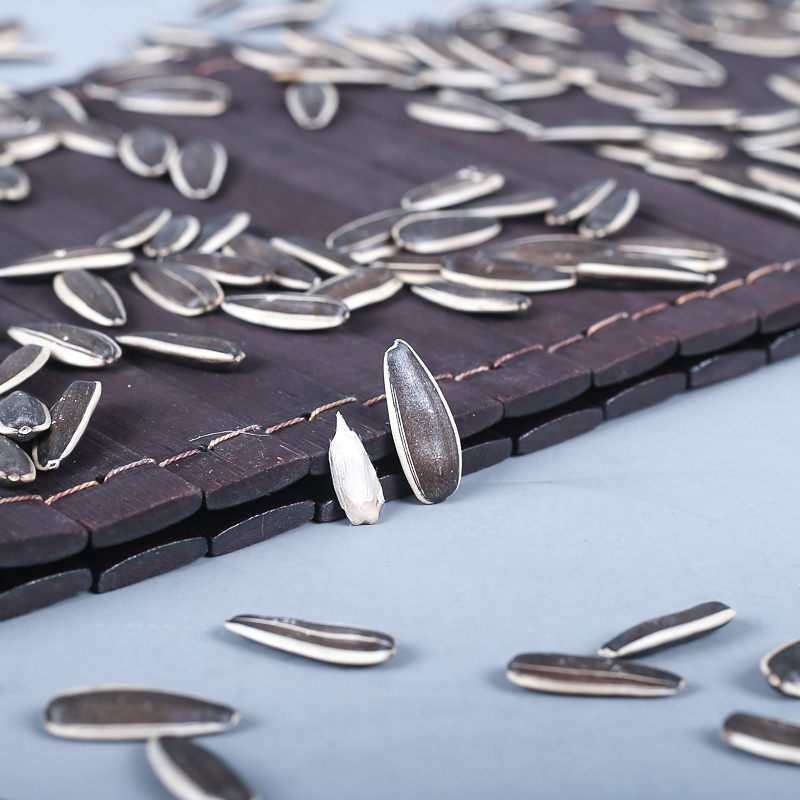
High-quality original flavor sunflower seeds represent a significant segment within the global snack food industry, positioned as a minimally processed, nutrient-dense product. These seeds, derived from Helianthus annuus, undergo a specific processing chain focused on maximizing palatability while retaining inherent nutritional value. Their technical position resides between raw agricultural commodities and finished consumer packaged goods, requiring stringent quality control at each stage. Core performance characteristics center around kernel fullness, oil content, protein profile, absence of rancidity, and consistent flavor profile, crucial for consumer acceptance and extended shelf life. The industry faces challenges in maintaining seed integrity during processing, minimizing acrylamide formation during roasting (if applied), and adhering to increasingly stringent food safety regulations regarding mycotoxin levels and pesticide residue. Different cultivars offer varying oil profiles (linoleic vs. oleic) impacting stability and flavor, presenting a key engineering consideration for consistent product output.
Material Science & Manufacturing
The primary raw material, sunflower seeds, exhibits a complex chemical composition. The kernel consists of approximately 40-50% oil (primarily triglycerides), 20-25% protein, 15-20% carbohydrates (primarily cellulose and hemicellulose in the hull), and 5-10% moisture. The oil composition varies with the cultivar – high-oleic varieties are increasingly preferred for their increased oxidative stability and longer shelf life. Manufacturing begins with seed selection based on size and density, followed by cleaning to remove foreign material. De-hulling is a critical step, typically achieved mechanically; minimizing kernel damage during de-hulling is paramount to prevent oil oxidation and off-flavor development. If roasting is employed (to enhance flavor and crispness), precise temperature and duration control (typically 120-150°C for 15-30 minutes) are essential to avoid acrylamide formation. Cooling must be rapid to halt the roasting process. Seasoning, usually a light salt application, is performed post-cooling. Packaging utilizes materials with low oxygen transmission rates (OTR) and low moisture vapor transmission rates (WVTR) to maintain freshness. Key parameter control focuses on moisture content (optimally 8-10%), oil acidity (below 0.5%), and peroxide value (below 5 meq O2/kg) to ensure product stability.
Performance & Engineering
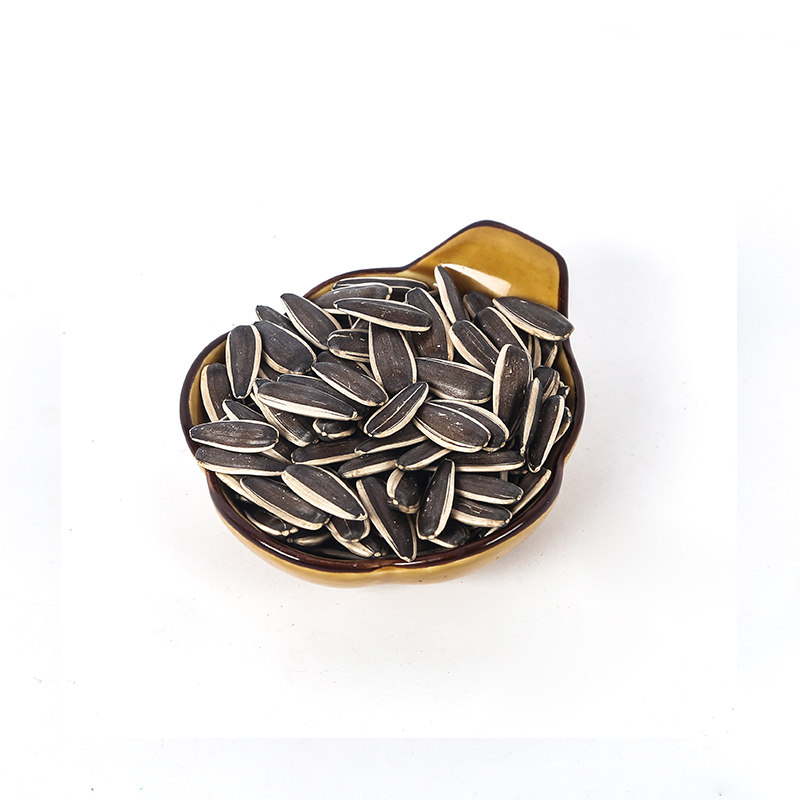
Performance analysis of sunflower seeds hinges on several key engineering parameters. Impact resistance during processing (de-hulling, conveying, packaging) is critical to minimize kernel breakage, directly affecting visual quality and dust generation. Shelling force, measured in Newtons, indicates the ease of hull removal and impacts processing efficiency; lower force is desirable. Seed density (g/cm³) correlates with oil content and affects sorting and grading efficiency. The oil stability index (OSI) is a critical indicator of oxidative rancidity, measured in hours, with higher values indicating greater stability. Environmental resistance concerns primarily relate to moisture absorption and temperature fluctuations during storage and transport. High humidity promotes mold growth and lipid hydrolysis, leading to off-flavors and reduced shelf life. Compliance requirements include adherence to food safety standards (HACCP, GMP) and regulations regarding pesticide residues (established by the EPA in the US, EFSA in Europe, and equivalent bodies elsewhere). Force analysis during packaging also informs optimal container design to prevent kernel damage during shipping.
Technical Specifications
| Parameter | Unit | Typical Range (High Quality Seeds) | Testing Method |
|---|---|---|---|
| Oil Content | % (Dry Weight Basis) | 48-58 | Soxhlet Extraction (AOAC Official Method) |
| Protein Content | % (Dry Weight Basis) | 18-24 | Kjeldahl Method (AOAC Official Method) |
| Moisture Content | % | 7-10 | Oven Drying (AOAC Official Method) |
| Acid Value | mg KOH/g | < 0.5 | Titration (AOCS Official Method) |
| Peroxide Value | meq O2/kg | < 5 | Titration (AOCS Official Method) |
| Kernel Fullness | % | > 90 | Visual Inspection / Image Analysis |
Failure Mode & Maintenance
Failure modes in high-quality original flavor sunflower seeds primarily relate to quality degradation during storage. Rancidity, caused by lipid oxidation, is a major concern, leading to off-flavors and reduced consumer acceptability. This is exacerbated by exposure to oxygen, light, and elevated temperatures. Kernel cracking during processing or handling leads to increased surface area for oxidation and moisture absorption. Moisture absorption promotes mold growth, potentially leading to mycotoxin contamination (aflatoxins, ochratoxins). Insect infestation is another potential failure mode, particularly in poorly stored seeds. Maintenance strategies focus on proper storage conditions: low temperature (5-10°C), low humidity (<60% RH), and protection from light. Packaging materials with high barrier properties are essential. Regular monitoring of oil acidity and peroxide value is crucial for detecting early signs of rancidity. Implementation of a robust pest control program is vital to prevent insect infestation. Periodic quality audits should be conducted to ensure adherence to quality control standards.
Industry FAQ
Q: What is the significance of the oleic/linoleic acid ratio in sunflower oil and how does it affect shelf life?
A: The ratio of oleic to linoleic acid significantly impacts oxidative stability. High-oleic sunflower seeds (containing >70% oleic acid) are preferred because oleic acid is more resistant to oxidation than linoleic acid. This results in a longer shelf life and reduced rancidity development compared to traditional linoleic sunflower varieties. Higher oleic acid content reduces the rate of peroxide value increase during storage.
Q: How are mycotoxin levels controlled during sunflower seed production?
A: Mycotoxin control begins in the field with proper agronomic practices, including minimizing stress on the plants and controlling insect vectors. Seeds are thoroughly cleaned and sorted to remove any damaged or moldy kernels. Storage facilities are maintained in a dry and well-ventilated condition to prevent mold growth. Regular testing for aflatoxins and ochratoxins is conducted throughout the processing chain to ensure compliance with regulatory limits.
Q: What is the impact of the dehulling process on the final product quality?
A: The dehulling process is critical. Aggressive dehulling can cause kernel damage, increasing the surface area exposed to oxygen and accelerating oxidation. Properly calibrated dehulling equipment and careful control of processing parameters are essential to minimize damage. A higher percentage of intact kernels translates to better flavor retention and a longer shelf life.
Q: What packaging materials are most effective at preserving the quality of sunflower seeds?
A: Packaging materials with low oxygen transmission rates (OTR) and low moisture vapor transmission rates (WVTR) are essential. Metallized films, multi-layer laminates, and foil-lined bags are commonly used. Nitrogen flushing prior to sealing can further reduce oxygen levels within the package, extending shelf life. Proper seal integrity is also crucial to prevent oxygen ingress.
Q: What are the key parameters monitored to ensure consistent product flavor?
A: Key parameters include moisture content, oil acidity, peroxide value, roasting temperature/duration (if applicable), and salt concentration. Regular sensory evaluation (taste panels) is also essential to detect any subtle changes in flavor profile. Monitoring for volatile organic compounds (VOCs) can provide an early indication of rancidity development.
Conclusion
High-quality original flavor sunflower seeds are a complex product requiring precise control throughout the entire production chain, from seed selection to packaging. Maintaining kernel integrity, minimizing lipid oxidation, and controlling moisture content are paramount to achieving optimal flavor, texture, and shelf life. The shift towards high-oleic sunflower varieties represents a significant technological advancement, enhancing product stability and consumer appeal.
Future trends will likely focus on further optimization of processing techniques to reduce acrylamide formation during roasting, development of even more effective barrier packaging materials, and implementation of advanced quality control technologies, such as hyperspectral imaging for rapid assessment of seed quality and detecting early signs of degradation. Continuous monitoring and adherence to evolving food safety regulations will remain essential for maintaining consumer confidence and market access.
