Introduction
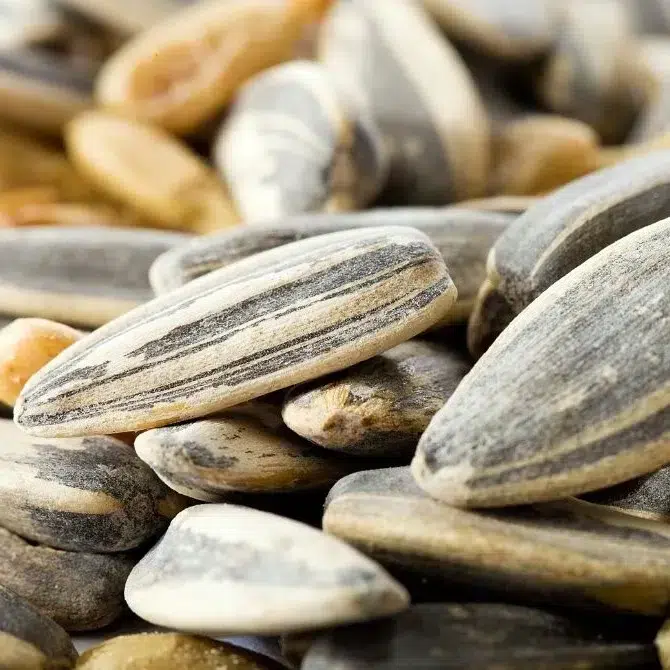
High quality organic watermelon seeds represent a critical input for commercial watermelon production, impacting yield, fruit quality, and market acceptance. These seeds, derived from carefully selected cultivars and produced under stringent organic agricultural practices, differ substantially from conventional seed stock. Their technical position within the agricultural supply chain lies at the very beginning – dictating the genetic potential and initial health of the crop. Core performance characteristics are defined by germination rate, seedling vigor, genetic purity, disease resistance, and adaptability to diverse growing conditions. The demand for organically grown produce is steadily increasing, leading to heightened scrutiny regarding seed provenance and quality. This guide provides an in-depth analysis of organic watermelon seed production, encompassing material science considerations, manufacturing processes, performance engineering, potential failure modes, and applicable industry standards. A key pain point in the industry is maintaining consistent genetic purity and vigor across large-scale production runs while adhering to the strict requirements of organic certification.
Material Science & Manufacturing
The fundamental material science of watermelon seeds centers on the endosperm, embryo, and seed coat. The endosperm provides the primary energy reserve, composed predominantly of lipids (30-50% fatty acids, primarily linoleic and oleic acids), proteins (15-30%), and carbohydrates (20-40%). Lipid composition dictates storage stability; rancidity due to oxidation of unsaturated fatty acids is a major concern. The embryo contains the genetic blueprint for the plant, and its viability is paramount. The seed coat provides physical protection and regulates gas exchange. Organic seed production begins with parent plant selection, prioritizing cultivars with desirable traits. Pollination is meticulously controlled to prevent cross-contamination with non-organic varieties – often employing insect-proof cages or isolation distances. Harvesting occurs when seeds reach physiological maturity, indicated by rind color changes and seed darkening. Post-harvest processing includes cleaning, drying (typically to 8-10% moisture content to inhibit fungal growth and enzymatic activity), grading (based on size and weight), and quality control. Drying parameters – temperature and airflow – are critical to prevent thermal damage and maintain seed viability. Seed coating with organic protectants (e.g., diatomaceous earth for insect control or microbial inoculants to enhance germination) is common. Key parameter control focuses on maintaining seed moisture content below the critical threshold for mold proliferation, minimizing mechanical damage during processing, and preventing exposure to pesticides or synthetic fertilizers at any stage.
Performance & Engineering
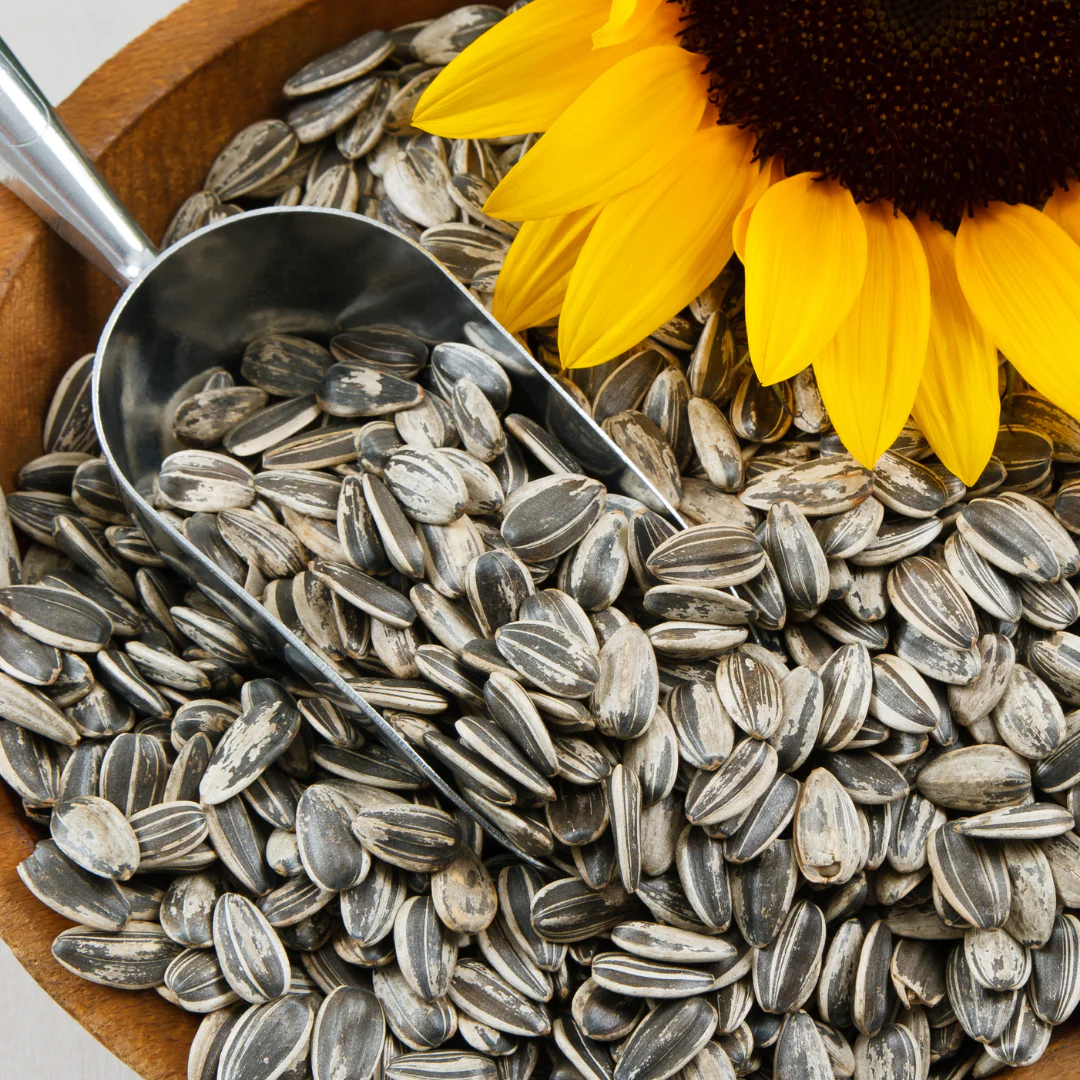
Performance analysis of organic watermelon seeds focuses on germination percentage, germination rate, seedling vigor, and resistance to soilborne pathogens. Germination percentage is determined under standardized laboratory conditions (temperature, moisture, light) and represents the proportion of seeds that successfully sprout. Germination rate describes the speed at which germination occurs, influenced by seed dormancy and quality of the endosperm. Seedling vigor, assessed by measuring root and shoot length, is indicative of the seed's energy reserves and the health of the embryo. Engineering considerations involve seed packaging to maintain viability during storage and transport. Packaging materials must provide a moisture barrier, protect against physical damage, and minimize exposure to oxygen. Long-term storage stability is a critical concern, influenced by temperature and humidity. Mathematical models, incorporating Arrhenius kinetics, are used to predict seed viability over time under different storage conditions. Compliance requirements include adherence to organic certification standards (e.g., USDA Organic, EU Organic), which mandate traceability, prohibition of synthetic inputs, and documentation of all production practices. Disease resistance is a key engineering trait, bred through selective breeding programs. Specific pathogens of concern include Fusarium oxysporum (causing Fusarium wilt) and Didymella bryoniae (causing gummy stem blight). Force analysis relates to the mechanical stress seeds experience during handling and processing; minimizing impact forces is crucial to prevent seed cracking and damage to the embryo.
Technical Specifications
| Parameter | Unit | Typical Value (Organic) | Conventional Seed Range |
|---|---|---|---|
| Germination Rate (7 days, 25°C) | % | ≥ 85 | 75-90 |
| Moisture Content | % | 8-10 | 7-12 |
| Purity (Genetic) | % | ≥ 98 | 95-99 |
| 1000-Seed Weight | g | 18-25 | 15-28 |
| Oil Content (Endosperm) | % | 35-45 | 30-50 |
| Seed Size (Average Length) | mm | 8-12 | 7-14 |
Failure Mode & Maintenance
Failure modes in organic watermelon seeds are diverse. Primary causes include seed dormancy exceeding acceptable limits, mechanical damage during handling leading to embryo disruption, fungal contamination resulting in seed rot, and loss of viability due to improper storage. Oxidation of lipids within the endosperm causes rancidity, reducing germination energy. Genetic degradation over successive generations can lead to reduced vigor and disease resistance. Failure analysis reveals that improper drying is a significant contributor to fungal growth and reduced shelf life. Delamination of the seed coat can occur due to rapid changes in humidity. Maintenance focuses on proper storage practices: maintaining low temperature (4-10°C) and humidity (<60%), protecting seeds from light exposure, and ensuring airtight packaging. Regular viability testing (germination assays) is crucial to monitor seed quality over time. Implementing a first-in, first-out (FIFO) inventory system minimizes the risk of using seeds past their optimal shelf life. Periodic inspection for signs of fungal growth or insect infestation is also essential. Seed treatment with organic antifungal agents (e.g., Bacillus subtilis) can provide preventative protection against common seedborne pathogens.
Industry FAQ
Q: What are the key differences in quality control between organic and conventional watermelon seed production?
A: Organic quality control focuses heavily on preventing contamination with synthetic pesticides, herbicides, and fertilizers throughout the entire production process. This involves rigorous documentation of seed source, field history, and post-harvest handling procedures. Traceability is paramount. Conventional seed production allows for the use of synthetic inputs, simplifying some aspects of pest and disease management but requiring different types of residue analysis.
Q: How does seed coating impact germination and seedling vigor in organic systems?
A: Organic seed coatings typically utilize natural materials like diatomaceous earth, seaweed extracts, or microbial inoculants. These coatings can improve germination by retaining moisture, protecting against pests and diseases, and enhancing nutrient uptake. However, improper coating application can reduce oxygen availability and hinder germination. It's crucial to use coatings approved for organic agriculture.
Q: What is the expected shelf life of properly stored organic watermelon seeds?
A: Under optimal storage conditions (4-10°C and <60% humidity), organic watermelon seeds can maintain acceptable germination rates (≥80%) for 3-5 years. However, viability gradually declines over time, necessitating periodic testing.
Q: What are the common causes of seed dormancy in watermelon, and how are they addressed in organic production?
A: Seed dormancy in watermelon can be caused by physical impermeability of the seed coat, physiological inhibitors within the embryo, or immature embryo development. Organic strategies to overcome dormancy include scarification (gentle abrasion of the seed coat), stratification (cold, moist storage to break dormancy), and priming (controlled hydration to initiate germination processes).
Q: How do you ensure genetic purity in organic watermelon seed production, preventing contamination from non-organic varieties?
A: Maintaining genetic purity requires strict isolation measures during pollination. This involves using insect-proof cages, establishing significant isolation distances between organic and conventional fields, and implementing rigorous field monitoring to detect and remove any off-type plants. Seed sourcing from certified organic seed producers is also critical.
Conclusion
High quality organic watermelon seeds are a complex agricultural input, demanding meticulous attention to material science principles, precise manufacturing processes, and rigorous quality control. Maintaining genetic purity, ensuring optimal germination rates, and extending shelf life are paramount concerns for producers and growers. The increasing demand for organic produce necessitates a continuous focus on improving seed quality and developing sustainable production practices.
Future research should focus on identifying and breeding watermelon cultivars with enhanced disease resistance and improved tolerance to abiotic stresses. Optimizing seed coating formulations with bio-stimulants and beneficial microbes offers potential for enhancing seedling vigor and reducing reliance on synthetic inputs. Developing cost-effective and scalable seed testing methods will further improve quality control and ensure the consistent supply of high-quality organic watermelon seeds to meet growing market demands.
