Introduction
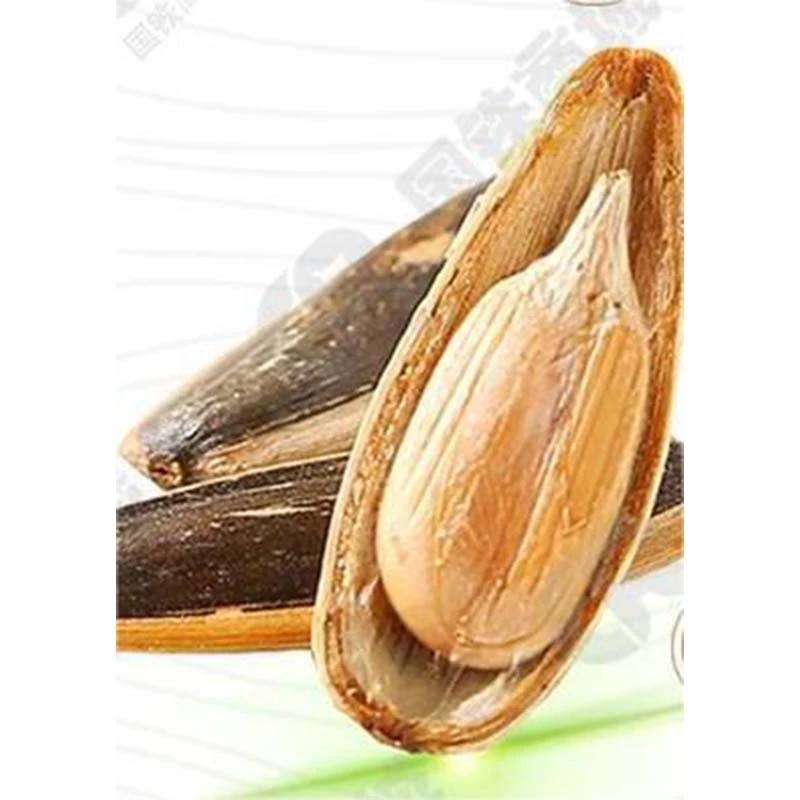
High quality organic sunflower seeds in shell ( Helianthus annuus) represent a significant commodity within the agricultural and food processing industries. Positioned within the oilseed and edible seed supply chains, these seeds serve as a primary source of vegetable oil, confectionary ingredients, and animal feed. The ‘in shell’ format presents unique considerations related to shelling efficiency, seed integrity, and consumer preference. Organic certification, governed by standards like USDA Organic and EU Organic, necessitates adherence to strict cultivation practices excluding synthetic pesticides, herbicides, and genetically modified organisms. Core performance characteristics defining quality include oil content, kernel weight, moisture content, germination rate, and freedom from defects such as damaged kernels, foreign material, and mycotoxin contamination. Addressing the growing demand for natural and sustainably produced food, organic sunflower seeds in shell represent a sector focused on optimizing both agronomic practices and post-harvest handling to maintain superior product quality.
Material Science & Manufacturing
The primary material science considerations for organic sunflower seeds in shell revolve around the composition of the seed coat (hull) and the kernel. The hull, composed primarily of cellulose, hemicellulose, and lignin, provides a protective barrier. Its physical properties – tensile strength, impact resistance, and permeability – are crucial for maintaining seed integrity during harvesting, storage, and processing. The kernel contains a significant proportion of oil (42-58% by weight) consisting primarily of linoleic acid (a polyunsaturated omega-6 fatty acid) and oleic acid (a monounsaturated fatty acid). Protein content ranges from 18-25%, with carbohydrates contributing around 10-15%. Manufacturing processes begin with seed selection based on genetic purity and intended end-use. Cultivation requires well-drained soils and sufficient sunlight. Harvesting typically occurs when the back of the seed head turns yellow-brown. Post-harvest processing involves cleaning to remove debris, drying to reduce moisture content (optimally 8-10% to prevent mold growth), and sizing/grading based on kernel size and shell integrity. Crucially, organic certification mandates the avoidance of post-harvest treatments utilizing synthetic chemicals. Parameter control during drying is paramount; excessive temperatures can denature proteins and degrade oil quality, impacting flavor and nutritional value. Shelling efficiency is a function of hull-kernel adhesion, moisture content, and mechanical impact forces applied during shelling. Seed storage must occur in cool, dry environments to mitigate lipid oxidation and preserve germination viability.
Performance & Engineering
Performance evaluation of organic sunflower seeds in shell involves several key engineering considerations. Shelling force, measured in Newtons, dictates the energy required for efficient separation of the kernel from the hull. This is directly related to hull thickness and moisture content. Tensile strength of the hull is a critical factor influencing its ability to withstand handling and transportation stresses. Impact resistance, assessed using drop tests, determines the susceptibility to kernel damage. Barrier properties of the hull, particularly its resistance to water vapor transmission (WVTR), impact seed longevity during storage. Oil stability, measured through peroxide value and acid value, assesses the rate of oxidative degradation over time, influenced by environmental factors like temperature and oxygen exposure. Compliance requirements for organic certification necessitate rigorous traceability and documentation of all inputs and processes. Germination rate, assessed through standardized seed viability tests, ensures the potential for agricultural use. The seeds must also meet regulatory limits for heavy metal contamination (lead, cadmium, mercury) and mycotoxins (aflatoxins, ochratoxins) as defined by national and international food safety agencies. Furthermore, the structural integrity of the shell is critical for maintaining internal atmosphere which influences seed respiration rates.
Technical Specifications
| Parameter | Unit | Specification (Grade A Organic) | Testing Method |
|---|---|---|---|
| Oil Content (Dry Basis) | % | 48-55 | AOAC Official Method 987.07 |
| Kernel Weight (1000 Kernels) | g | 50-70 | Weight Scale (precision 0.01g) |
| Moisture Content | % | 8.0-10.0 | AOAC Official Method 925.10 |
| Germination Rate | % | 85-95 | ISTA International Rules for Seed Testing |
| Foreign Material | % | < 1.0 | Visual Inspection (ISTA) |
| Damaged Kernels (Broken/Discolored) | % | < 2.0 | Visual Inspection (ISTA) |
Failure Mode & Maintenance
Failure modes for organic sunflower seeds in shell encompass several scenarios. Kernel cracking during shelling, often attributable to excessive impact force or low moisture content, results in yield loss and reduced quality. Hull delamination, caused by fluctuating humidity or improper drying, compromises seed protection and can lead to insect infestation. Lipid oxidation, manifested as rancidity, degrades oil quality and diminishes nutritional value; this is accelerated by exposure to oxygen, light, and elevated temperatures. Mycotoxin contamination, primarily by Aspergillus species, poses a significant food safety risk; inadequate drying and storage conditions favor fungal growth. Insect damage, caused by storage pests like grain weevils, results in kernel consumption and contamination. Maintenance strategies revolve around preventative measures. Optimizing drying protocols to achieve consistent moisture content is critical. Implementing controlled atmosphere storage (reducing oxygen levels) minimizes lipid oxidation. Maintaining strict sanitation protocols in processing and storage facilities prevents insect infestation and fungal growth. Regular monitoring for mycotoxin levels is essential for ensuring food safety. Appropriate packaging, utilizing moisture-resistant materials, protects seeds during transportation and storage. Periodic germination testing assesses seed viability and provides an early warning of potential quality decline. Careful handling procedures throughout the supply chain minimize mechanical damage.
Industry FAQ
Q: What are the critical differences in quality control between conventional and organic sunflower seed processing?
A: The primary difference lies in the permitted processing aids and treatments. Conventional processing may utilize synthetic fungicides, insecticides, and post-harvest treatments to enhance shelf life and appearance. Organic processing strictly prohibits these, relying instead on physical methods like cleaning, drying, and controlled atmosphere storage. This demands more stringent control over pre-harvest conditions, meticulous sanitation, and rapid, efficient processing to minimize the risk of contamination and degradation.
Q: How does shell thickness impact the efficiency of the shelling process and potential kernel damage?
A: Thicker shells require greater force to remove, increasing the likelihood of kernel cracking and fragmentation. Conversely, overly thin shells offer less protection during handling and are more susceptible to damage. Optimizing shelling parameters (impact force, feed rate) requires careful consideration of shell thickness distribution within a batch of seeds. Pre-shelling moisture adjustment can also influence hull-kernel adhesion and reduce damage.
Q: What are the acceptable limits for mycotoxin contamination in organic sunflower seeds in shell for human consumption?
A: Regulatory limits vary depending on the governing jurisdiction. In the EU, maximum levels for total aflatoxins are typically 2 µg/kg, and for ochratoxin A, 3 µg/kg. The USDA and other national authorities have similar, though potentially differing, standards. Compliance requires regular testing using methods like HPLC-MS/MS to ensure adherence to these limits.
Q: How does the storage environment affect the oil stability and overall quality of organic sunflower seeds?
A: High temperatures accelerate lipid oxidation, leading to rancidity and reduced oil quality. Exposure to oxygen promotes oxidative degradation. Humidity contributes to fungal growth and mycotoxin production. Optimal storage conditions involve low temperatures (below 15°C), low humidity (below 65%), and limited oxygen exposure (through modified atmosphere packaging or sealed storage containers).
Q: What is the significance of germination rate as a quality indicator for seeds intended for non-agricultural applications (e.g., confectionary)?
A: While not directly impacting immediate consumption, germination rate serves as an indicator of overall seed viability and physiological health. A high germination rate suggests the seeds have been handled properly and maintain sufficient energy reserves, indicating a superior quality product. It also provides confidence in the absence of physical damage or chemical treatments that might inhibit germination.
Conclusion
Organic sunflower seeds in shell represent a complex agricultural commodity demanding stringent quality control throughout the entire supply chain. From genetic selection and cultivation to post-harvest processing and storage, each step necessitates precise parameter control and adherence to organic certification standards. The interplay of material properties – hull strength, kernel oil content, and moisture content – directly influences performance characteristics such as shelling efficiency, oil stability, and germination rate. Addressing potential failure modes through preventative maintenance and robust sanitation practices is paramount for ensuring product safety and preserving nutritional value.
Future advancements in this sector will likely focus on optimizing harvesting and drying technologies to minimize kernel damage and mycotoxin risk. Development of improved storage solutions employing modified atmosphere packaging and real-time monitoring systems will enhance oil stability and extend shelf life. Furthermore, advancements in breeding programs aimed at enhancing hull strength and resistance to pests and diseases will contribute to improved overall seed quality and sustainability.
