Introduction
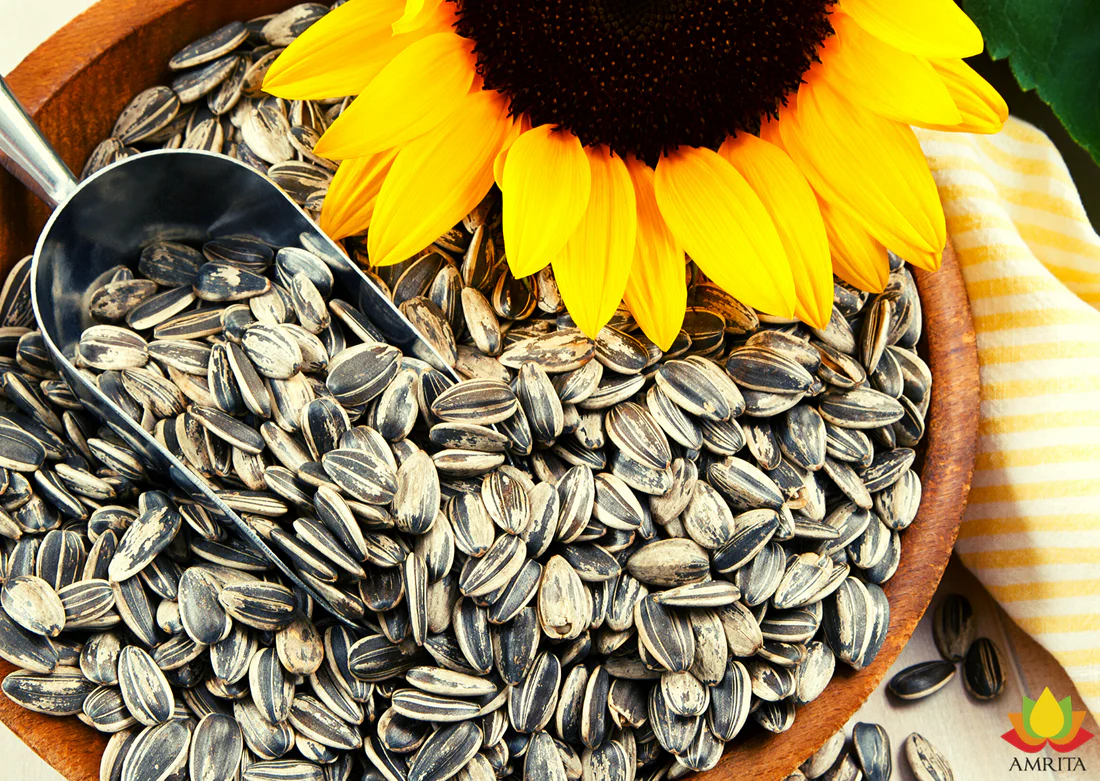
High quality organic black oil sunflower seeds (Helianthus annuus) represent a specialized agricultural product with significant applications in the nutraceutical, avian, and industrial oil sectors. Unlike confectionery sunflower seeds, black oil sunflower seeds are characterized by their thin hulls and high linoleic acid content in the kernel. This technical guide will detail the material science, manufacturing processes, performance characteristics, potential failure modes, and relevant industry standards associated with these seeds, providing a comprehensive understanding for B2B stakeholders. The core performance revolves around oil yield, protein content, and kernel integrity, critical factors impacting downstream processing efficiency and product quality. The demand for organically certified seeds necessitates stringent controls throughout the entire supply chain, from seed selection and cultivation to harvesting and storage. This guide will delve into the nuanced aspects of these controls, emphasizing best practices for maintaining seed viability and compositional consistency.
Material Science & Manufacturing
The fundamental material science of black oil sunflower seeds centers on the biochemical composition of the kernel. The primary constituents are oil (40-50% by weight), protein (20-25%), carbohydrates (10-15%), and fiber (5-10%). The oil profile is rich in linoleic acid (typically 60-70%), an essential omega-6 fatty acid, alongside oleic acid (15-30%) and palmitic acid (5-10%). Seed coat composition consists of cellulose, hemicellulose, and lignin providing a protective barrier. Organic certification mandates the absence of synthetic pesticides, herbicides, and fertilizers during cultivation.
Manufacturing begins with seed selection, prioritizing varieties with high oil content and optimal kernel size. Sowing depth and plant density are crucial parameters impacting yield. Harvesting typically occurs when the seed moisture content reaches 12-14%. Mechanical harvesting methods employ combine harvesters equipped with concave adjustments to minimize kernel damage. Post-harvest processing includes cleaning (removal of debris), drying (to reduce moisture content to <10% for storage), dehulling (optional, depending on intended application), and grading based on kernel size and oil content. Seed drying utilizes controlled-temperature airflow to prevent thermal degradation of oils. Dehulling, if performed, employs mechanical friction to remove the seed coat, potentially impacting oil quality if not carefully controlled. Quality control measures include regular testing for aflatoxin contamination, pesticide residues (ensuring compliance with organic standards), and germination rates.
Performance & Engineering
Performance evaluation of black oil sunflower seeds centers on oil extraction efficiency, oil quality parameters (acid value, peroxide value, iodine value, color), and protein digestibility. Oil yield is directly correlated with kernel density and oil content. Force analysis during dehulling and oil pressing operations highlights the need for optimized equipment settings to minimize kernel fracturing and oil loss. Environmental resistance is critical during storage; high temperature and humidity promote lipid oxidation and mold growth. Controlled atmosphere storage (reducing oxygen levels) is employed to extend shelf life. Compliance requirements include adherence to organic certification standards (e.g., USDA Organic, EU Organic), as well as food safety regulations (e.g., HACCP). The functional implementation involves optimized oil pressing techniques (mechanical or solvent extraction) to maximize oil recovery while preserving the nutritional integrity of the oil. The seed’s protein content also makes it a viable ingredient in animal feed formulations, requiring assessment of amino acid profiles and protein digestibility. Kernel hardness impacts the efficiency of crushing and oil extraction processes; harder kernels require greater mechanical force, potentially increasing energy consumption and wear on processing equipment.
Technical Specifications
| Parameter | Specification | Test Method | Unit |
|---|---|---|---|
| Oil Content | 45-55 | Soxhlet Extraction (AOCS Official Method) | % (Dry Weight Basis) |
| Protein Content | 20-28 | Kjeldahl Method (AOCS Official Method) | % (Dry Weight Basis) |
| Moisture Content | <10 | Oven Drying (AOCS Official Method) | % |
| Linoleic Acid Content | >60 | Gas Chromatography (AOCS Official Method) | % of Total Fatty Acids |
| Aflatoxin Levels | <20 | ELISA | ppb |
| Germination Rate | >80 | ISTA Standard Procedures | % |
Failure Mode & Maintenance
Failure modes in black oil sunflower seeds encompass physical damage during handling, biochemical degradation during storage, and biological contamination. Fatigue cracking of the kernel can occur due to mechanical stress during harvesting and processing. Delamination of the seed coat can reduce oil extraction efficiency. Lipid oxidation, catalyzed by light, heat, and oxygen, leads to rancidity and reduced oil quality. Mold growth (e.g., Aspergillus flavus) results in aflatoxin contamination, a significant food safety concern. Insect infestation can cause significant yield losses and seed damage. Maintenance strategies involve proper storage conditions (cool, dry, dark), regular monitoring for aflatoxin contamination, and implementation of integrated pest management programs. Preventive maintenance of harvesting and processing equipment minimizes physical damage to the seeds. Utilizing airtight storage containers reduces oxygen exposure and slows down oxidation processes. Seed treatments with natural antifungal agents can mitigate mold growth. Regular cleaning of storage facilities eliminates breeding grounds for insects and rodents.
Industry FAQ
Q: What are the key differences between black oil sunflower seeds and confectionery sunflower seeds concerning oil yield and fatty acid profile?
A: Black oil sunflower seeds are specifically bred for higher oil content (45-55% vs. 38-42% in confectionery varieties) and a superior linoleic acid profile (typically >60%). Confectionery seeds prioritize kernel size, shell strength, and flavor for direct consumption, while black oil seeds focus solely on maximizing oil extraction efficiency and optimizing the fatty acid composition for industrial applications.
Q: How does organic certification impact the allowable treatments and storage practices for these seeds?
A: Organic certification strictly prohibits the use of synthetic pesticides, herbicides, and fertilizers during cultivation. Post-harvest treatments are limited to approved organic alternatives, such as diatomaceous earth for insect control. Storage practices must avoid synthetic preservatives and rely on physical controls like temperature, humidity, and atmosphere modification (reduced oxygen) to prevent spoilage.
Q: What analytical methods are most reliable for quantifying aflatoxin contamination and ensuring food safety compliance?
A: Enzyme-Linked Immunosorbent Assay (ELISA) is the most widely used and cost-effective method for rapid screening of aflatoxin levels. However, High-Performance Liquid Chromatography (HPLC) coupled with fluorescence detection provides more accurate and quantifiable results for regulatory compliance and detailed analysis.
Q: What is the optimal moisture content for long-term storage of black oil sunflower seeds to minimize lipid oxidation and fungal growth?
A: The optimal moisture content for long-term storage is below 10%. Maintaining this level inhibits the activity of enzymes responsible for lipid oxidation and reduces the risk of fungal growth and aflatoxin production. Proper drying and airtight storage are crucial for achieving this moisture content.
Q: Can you elaborate on the impact of dehulling on oil quality and potential processing challenges?
A: Dehulling can improve oil extraction efficiency but also increases the surface area exposed to oxygen, potentially accelerating lipid oxidation. Improper dehulling can cause kernel fracturing, releasing free fatty acids and increasing the acid value of the oil. Careful control of dehulling parameters (impact force, abrasion time) is essential to minimize damage and preserve oil quality.
Conclusion
High quality organic black oil sunflower seeds represent a specialized agricultural commodity demanding meticulous attention to material science, manufacturing processes, and quality control. Their high oil content and unique fatty acid profile make them valuable in diverse applications, but necessitate stringent adherence to organic standards and food safety regulations. Understanding the nuances of seed composition, optimal storage conditions, and potential failure modes is crucial for maximizing yield, preserving oil quality, and ensuring regulatory compliance.
Future trends will likely focus on optimizing sunflower breeding programs for even higher oil content and improved fatty acid profiles, along with developing more sustainable and energy-efficient oil extraction technologies. Furthermore, advancements in storage and preservation techniques will continue to minimize post-harvest losses and maintain seed viability, contributing to a more resilient and sustainable supply chain. Emphasis on traceability and transparency will also become increasingly important, allowing consumers and processors to verify the authenticity and integrity of organic black oil sunflower seeds.
