Introduction
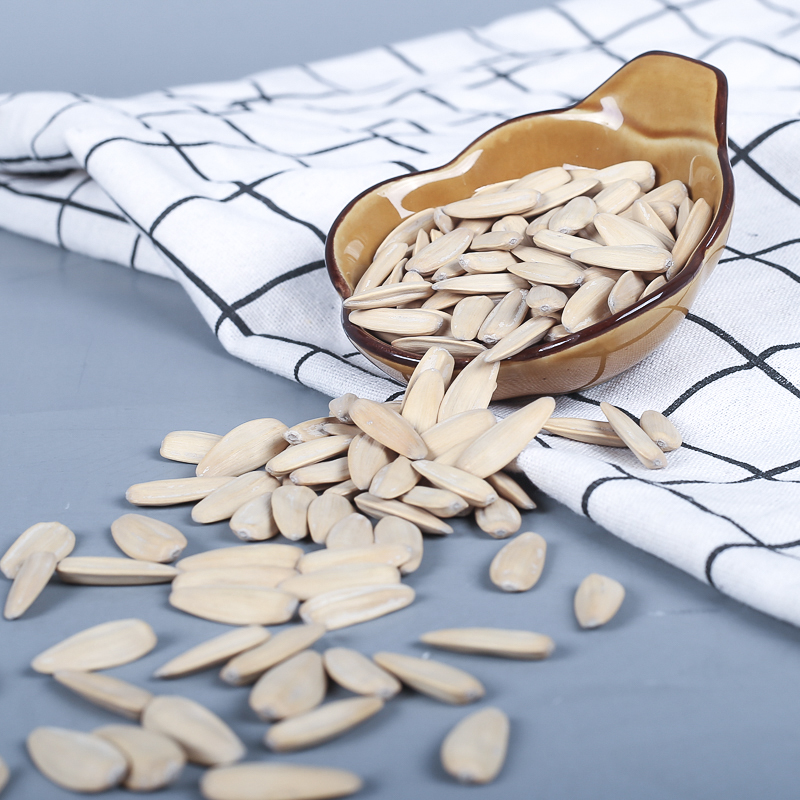
High quality new sunflower seeds ( Helianthus annuus) represent a crucial input for the edible oil, confectionary, and increasingly, biofuel industries. Their technical position within the agricultural supply chain is paramount, acting as the foundational element dictating the quality and yield of downstream products. This guide will detail the critical factors influencing seed quality, encompassing genetic lineage, physiological maturity, oil content, protein profile, and susceptibility to pathogens. Core performance characteristics, measured by germination rate, oil yield percentage, and fatty acid composition, directly correlate with economic viability for producers and processors. A major industry pain point revolves around maintaining consistent seed quality across variable climatic conditions and mitigating the impact of seed-borne diseases, demanding stringent quality control measures from breeding to storage.
Material Science & Manufacturing
Sunflower seed composition is primarily defined by its lipid, protein, and carbohydrate content, with significant variation based on genotype and growth environment. The oil fraction, predominantly triglycerides composed of linoleic (C18:2), oleic (C18:1), and palmitic (C16:0) acids, dictates nutritional value and processing characteristics. Protein content, largely globulins and albumins, influences seed meal quality for animal feed. The seed coat, composed primarily of cellulose, hemicellulose, and lignin, provides physical protection and impacts germination rates. Manufacturing, in this context, refers to the agronomic practices, harvesting techniques, and post-harvest processing. Hybrid seed production involves controlled pollination, demanding meticulous isolation to prevent cross-contamination. Harvesting timing is critical – premature harvest results in low oil content, while delayed harvest increases susceptibility to bird damage and pre-germination. Post-harvest drying to a moisture content of 9-10% is essential to inhibit mold growth and preserve viability. Seed cleaning removes debris, weed seeds, and damaged kernels, impacting overall seed purity. Parameter control during drying—temperature and airflow—is paramount; excessive temperatures denature proteins and reduce oil quality. Seed coating with fungicides and insecticides is frequently employed to protect against seed-borne pathogens and pests during storage and germination.
Performance & Engineering
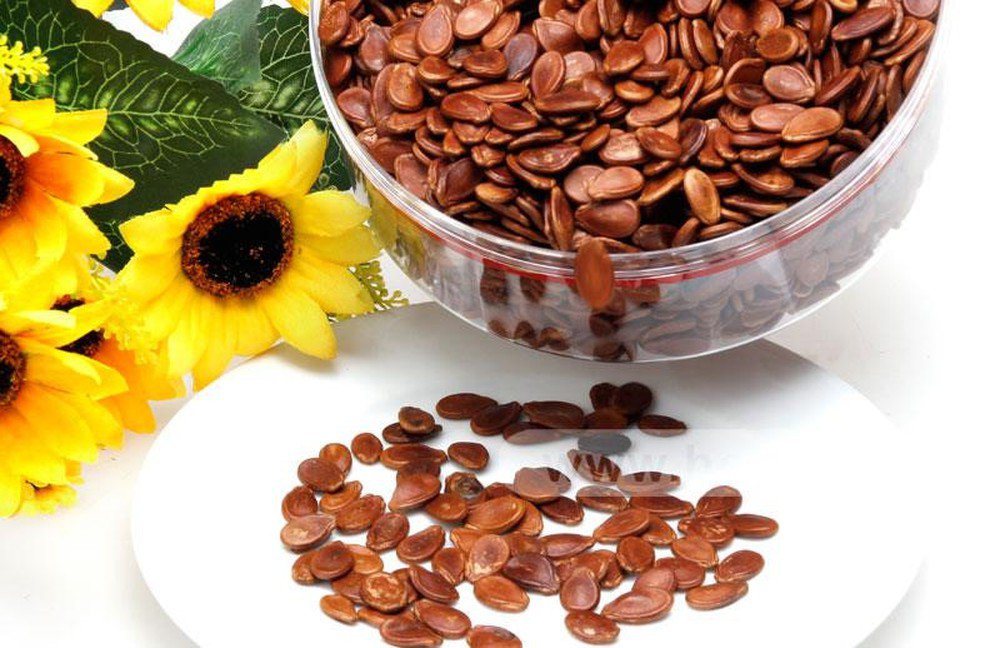
Seed performance is dictated by a complex interplay of physical and biochemical factors. Germination rate, a critical performance indicator, is influenced by seed viability, dormancy levels, and environmental conditions (temperature, moisture, oxygen availability). Oil yield, expressed as a percentage of seed weight, is a primary determinant of economic return. Fatty acid composition, particularly the oleic to linoleic acid ratio, impacts oil stability and suitability for various applications. Mechanical strength of the seed coat is vital for preventing damage during handling and processing. Environmental resistance encompasses tolerance to drought, heat stress, and disease pressure. Compliance requirements are governed by national and international seed certification standards (e.g., OECD Seed Schemes, ISTA rules). Functional implementation involves proper seed placement depth during planting, ensuring adequate soil contact and moisture availability. The force analysis during harvesting and processing necessitates understanding the seed’s fracture strength to minimize damage and preserve seed integrity. Seed moisture content throughout storage is a critical engineering parameter, demanding controlled environments to prevent fungal growth and maintain germination viability. The impact of seed size and shape on planting equipment efficiency is also a relevant engineering consideration.
Technical Specifications
| Parameter | Unit | Typical Range (High Quality Seeds) | Testing Method |
|---|---|---|---|
| Germination Rate | % | ≥ 85 | ISTA Standard |
| Oil Content | % (Dry Weight Basis) | 48-58 | Soxhlet Extraction (AOCS Method) |
| Moisture Content | % | 9-10 | Oven Drying Method (ISTA) |
| Purity | % | ≥ 99 | Visual Inspection & Seed Blow Test |
| Seed Size (1000-Seed Weight) | g | 50-70 | Weighing Method (ISTA) |
| Oleic Acid Content | % of Total Fatty Acids | 60-80 (High Oleic Varieties) | Gas Chromatography (AOCS Method) |
Failure Mode & Maintenance
Sunflower seeds are susceptible to several failure modes. Physical damage during harvesting and processing (cracking, chipping) reduces germination rate and increases susceptibility to fungal infection. Seed-borne pathogens (e.g., Phomopsis helianthii, Sclerotinia sclerotiorum) can cause damping-off and seedling blight, leading to significant yield losses. Lipid peroxidation, a major degradation pathway, results in rancidity and reduces oil quality. Protein denaturation due to improper storage conditions diminishes seed viability. Insect infestation (e.g., stored product moths) causes direct seed damage and contamination. Maintenance strategies focus on proper storage conditions – low temperature (below 15°C), low humidity (below 65%), and adequate ventilation. Regular monitoring for insect pests and fungal growth is crucial. Seed treatment with fungicides and insecticides provides preventative protection. Adhering to strict sanitation protocols during processing minimizes contamination. Implementing a robust seed testing program ensures quality control and identifies potential issues before planting. Rotating crops and employing disease-resistant varieties mitigate the risk of seed-borne diseases. Controlled atmosphere storage, utilizing nitrogen or carbon dioxide, can extend seed viability by inhibiting respiration and oxidation.
Industry FAQ
Q: What is the significance of the oleic acid content in sunflower seeds, and how does it impact oil quality?
A: Higher oleic acid content (typically in “high oleic” varieties) significantly improves oil stability by increasing resistance to oxidation and rancidity. This extends the shelf life of the oil and makes it more suitable for high-temperature cooking applications. It also reduces the need for hydrogenation, a process that creates unhealthy trans fats.
Q: How do different harvesting methods influence seed quality and what are the best practices?
A: Direct combining is common but can lead to higher levels of seed damage and foreign material. Staged harvesting – cutting the head and allowing it to dry before threshing – generally results in higher quality seeds with lower moisture content and less damage. Regardless of the method, timely harvesting at optimal maturity is paramount.
Q: What are the critical storage parameters to maintain high seed viability over extended periods?
A: Maintaining low temperature (below 15°C), low humidity (below 65%), and adequate ventilation are crucial. Proper aeration prevents moisture buildup and fungal growth. Regular monitoring of temperature and humidity levels is essential. Insect pest control is also vital.
Q: How does seed treatment with fungicides and insecticides affect downstream processing and food safety?
A: Seed treatment is typically applied at very low concentrations and is designed to protect the seed during germination. However, it's crucial to use approved seed treatments and adhere to recommended application rates. Downstream processing should include appropriate cleaning and quality control measures to ensure food safety.
Q: What role do seed certification programs play in ensuring quality and traceability?
A: Seed certification programs (e.g., OECD Seed Schemes) establish standards for genetic purity, germination rate, and freedom from seed-borne diseases. These programs provide a documented audit trail, ensuring traceability from the breeder to the farmer and verifying the quality and authenticity of the seeds.
Conclusion
The quality of high quality new sunflower seeds is a multifaceted attribute, dictated by genetics, agronomic practices, and post-harvest handling. Maintaining optimal seed performance necessitates a holistic approach, encompassing stringent quality control measures throughout the entire supply chain. Precise control of moisture content, safeguarding against physical damage and pathogen infection, and maximizing oil yield and germination rate are all critical factors influencing economic viability.
Future advancements in sunflower seed technology will likely focus on developing varieties with enhanced disease resistance, improved oil profiles, and increased tolerance to abiotic stresses. The integration of precision agriculture techniques and data analytics will further optimize seed production and quality control, enabling more sustainable and efficient agricultural practices. Continuous investment in research and development will be essential to meet the growing global demand for high-quality sunflower seeds and their derived products.
