Introduction
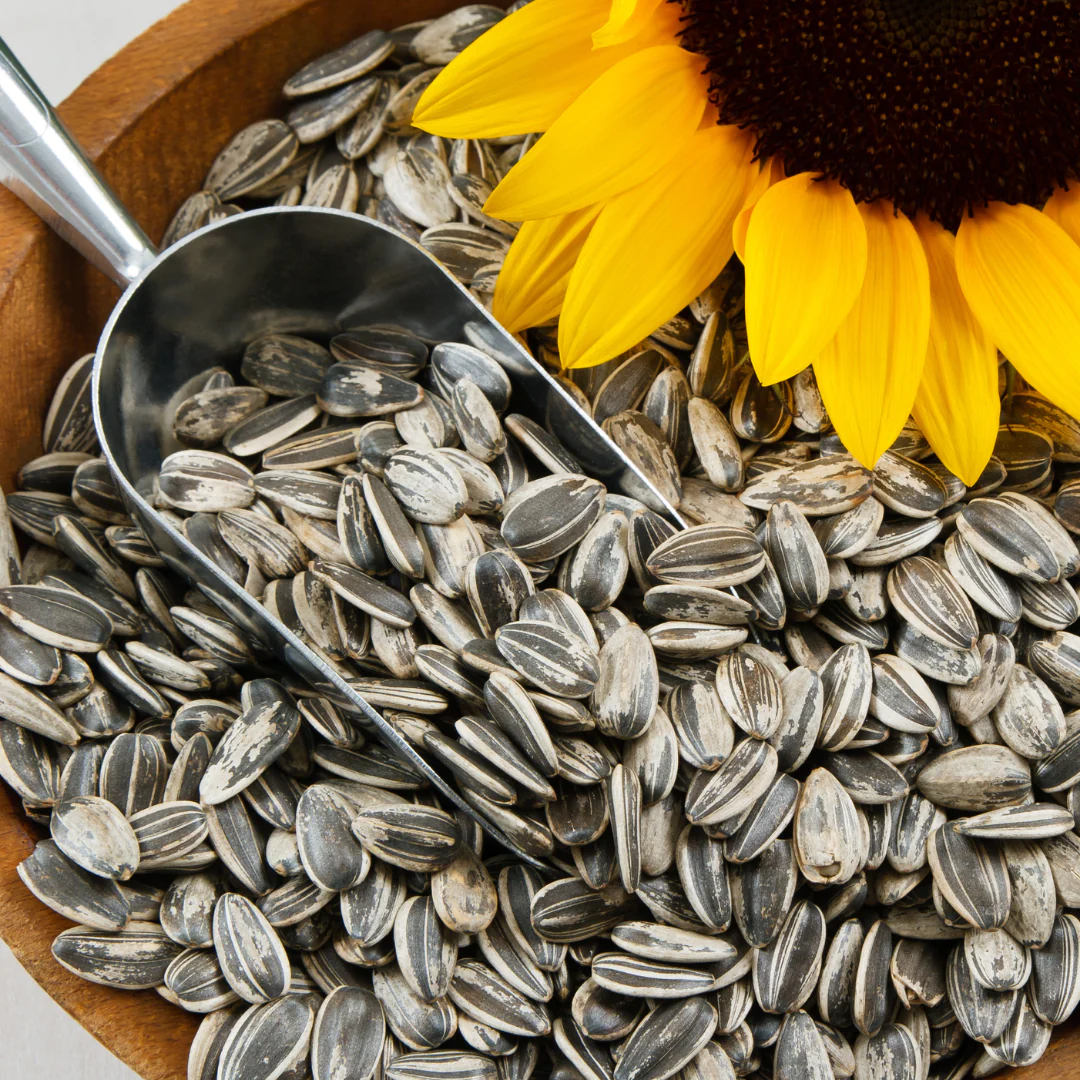
High quality new crop sunflower seeds ( Helianthus annuus) represent a critical input for the edible oil, confectionery, and birdseed industries. These seeds are not merely a commodity; their inherent genetic and physiological properties dictate downstream processing efficiency, oil yield, and ultimately, product quality. The agricultural supply chain relies heavily on consistent seed quality, encompassing parameters like oil content, protein composition, germination rates, and resistance to prevalent diseases. This guide provides a comprehensive technical overview of these seeds, covering their material science, manufacturing processes, performance characteristics, potential failure modes, and relevant industry standards. A core industry pain point revolves around maintaining genetic purity and minimizing mycotoxin contamination, impacting both profitability and consumer safety. Understanding these complexities is essential for procurement managers, agricultural engineers, and quality control specialists.
Material Science & Manufacturing
Sunflower seeds are composed primarily of lipids (40-55%), proteins (18-25%), carbohydrates (15-20%), and fiber (5-10%). The lipid fraction is largely comprised of unsaturated fatty acids, primarily linoleic acid (omega-6) and oleic acid (omega-9), influencing oil stability and nutritional value. The seed coat, or pericarp, consists of cellulose, hemicellulose, and lignin, providing structural integrity and protection against external factors. Manufacturing begins with controlled hybridization to achieve desired traits – high oil content, specific fatty acid profiles, disease resistance, and uniform maturity. Seed production involves careful field management, including irrigation, fertilization, and pest control. Harvesting timing is crucial, typically occurring when moisture content reaches 10-12% to minimize fungal growth and maximize seed viability. Post-harvest processing includes cleaning, drying, dehulling (optional, depending on end-use), and grading. Critical parameters during drying include temperature (not exceeding 45°C to prevent protein denaturation) and airflow rate to ensure uniform moisture removal. Dehulling, if performed, must be carefully controlled to avoid damaging the kernel, impacting oil yield. Seed storage requires low temperature (below 15°C) and humidity (below 65%) to maintain viability and prevent lipid oxidation. The genetic selection process is increasingly employing marker-assisted selection (MAS) to accelerate breeding programs and improve trait introgression.
Performance & Engineering
The performance of sunflower seeds is primarily evaluated based on germination rate, oil content, and fatty acid profile. Germination rate, determined through standardized seed tests (ISTA methods), is crucial for planting success. Oil content is typically measured using Soxhlet extraction or near-infrared (NIR) spectroscopy. Fatty acid composition is analyzed via gas chromatography (GC) to quantify linoleic, oleic, palmitic, and stearic acid levels. Mechanical strength of the seed coat is assessed using compression tests, impacting resistance to cracking during handling and processing. The seeds' response to environmental stresses, such as drought and heat, is a critical performance characteristic, influenced by genetic resilience and seed priming techniques. Seed priming, involving controlled hydration and subsequent drying, can enhance germination rates and seedling vigor under stress conditions. Compliance requirements are dictated by national and international food safety regulations, including maximum limits for heavy metals (lead, cadmium) and mycotoxins (aflatoxins, ochratoxin A). The structural integrity of the seed is also important in pneumatic conveying systems used in large-scale processing; seeds with significant structural defects can cause blockages and reduce system efficiency. Force analysis during dehulling operations requires understanding the fracture mechanics of the seed coat to optimize dehulling parameters.
Technical Specifications
| Parameter | Unit | Typical Range (High Quality Seeds) | Testing Method |
|---|---|---|---|
| Germination Rate | % | 85-98 | ISTA Standard |
| Oil Content (Dry Basis) | % | 48-58 | Soxhlet Extraction / NIR Spectroscopy |
| Linoleic Acid Content | % of Total Fatty Acids | 55-70 | Gas Chromatography (GC) |
| Oleic Acid Content | % of Total Fatty Acids | 15-45 | Gas Chromatography (GC) |
| Moisture Content | % | 8-10 | Oven Drying Method |
| Seed Size (1000-Seed Weight) | g | 5-8 | Weighting and Counting |
Failure Mode & Maintenance
Sunflower seeds are susceptible to several failure modes. Physical damage during harvesting, handling, and processing (cracking, chipping) reduces their value and can increase fungal susceptibility. Biological degradation, primarily due to fungal and insect infestations, is a major concern. Aspergillus flavus and Aspergillus parasiticus produce aflatoxins, potent carcinogens, making contamination a critical safety issue. Insect damage, particularly by storage pests, leads to seed weight loss and reduced germination rates. Lipid oxidation, driven by exposure to oxygen, light, and heat, results in rancidity and reduced oil quality. This can be mitigated through antioxidant addition or controlled atmosphere storage. Premature germination, triggered by improper storage conditions (high temperature and humidity), reduces viability. Maintenance practices involve rigorous cleaning and disinfection of storage facilities, proper drying and storage conditions (low temperature and humidity), and regular monitoring for pests and fungal growth. Implementing integrated pest management (IPM) strategies minimizes the need for chemical pesticides. Seed treatment with fungicides can provide protection against seed-borne diseases during germination. Regular quality control testing for aflatoxins and other contaminants is essential throughout the supply chain.
Industry FAQ
Q: What is the significance of high oleic sunflower seeds, and how do they differ from traditional varieties?
A: High oleic sunflower seeds contain a significantly higher percentage of oleic acid (typically >70%) compared to traditional varieties (typically <30%). This increased oleic acid content enhances oil stability, making it more resistant to oxidation and extending its shelf life. High oleic oil is also considered healthier due to its monounsaturated fat content. Industrially, they command a premium price and are preferred for frying applications due to their lower tendency to polymerize and form undesirable compounds.
Q: How is aflatoxin contamination managed in sunflower seed production and processing?
A: Aflatoxin contamination is addressed through a multi-pronged approach. This includes selecting aflatoxin-resistant varieties, implementing good agricultural practices (GAP) to minimize field stress, proper drying of seeds post-harvest, and rigorous quality control testing throughout the supply chain. Storage facilities are regularly inspected and cleaned to prevent fungal growth. Aflatoxin levels are monitored using ELISA testing or HPLC analysis, and contaminated lots are rejected or blended to meet regulatory limits.
Q: What role does seed priming play in improving sunflower seed performance?
A: Seed priming involves controlled hydration followed by partial drying, initiating physiological processes like enzyme activation and radicle emergence without allowing full germination. This leads to faster and more uniform emergence, increased seedling vigor, and improved tolerance to stress conditions like drought and salinity. Priming can be achieved using various methods, including hydropriming, osmo-priming, and matrix priming, each with specific advantages depending on the seed lot and environmental conditions.
Q: What are the key considerations when evaluating sunflower seed suppliers?
A: Key considerations include the supplier’s certification status (e.g., ISO 9001, HACCP), their track record for consistent seed quality (germination rate, oil content, purity), their aflatoxin testing protocols, their ability to provide detailed seed analysis reports, and their adherence to sustainable agricultural practices. Traceability of seed origin is also crucial for ensuring accountability and food safety.
Q: What is the impact of seed coat thickness on processing efficiency, specifically during dehulling?
A: Seed coat thickness significantly impacts dehulling efficiency. Thicker seed coats require more energy to crack, increasing the risk of kernel damage and reducing oil yield. Conversely, excessively thin seed coats are prone to cracking during handling, leading to seed loss and increased fines. Optimal dehulling requires finding a balance between seed coat strength and brittleness, which is influenced by genetics, maturity, and drying conditions.
Conclusion
High quality new crop sunflower seeds are complex biological materials demanding meticulous attention throughout the entire value chain – from genetic selection and field cultivation to post-harvest processing and storage. Understanding the interplay between material science, manufacturing techniques, and performance parameters is crucial for ensuring consistent quality, maximizing oil yield, and meeting stringent food safety standards. The industry faces ongoing challenges related to mycotoxin contamination, climate change impacts, and evolving consumer preferences for healthier oil profiles.
Future innovations will likely focus on developing even more aflatoxin-resistant varieties, utilizing advanced breeding technologies (CRISPR-Cas9), and optimizing seed treatment strategies to enhance germination and seedling vigor. Furthermore, employing precision agriculture techniques, such as drone-based monitoring and variable rate fertilization, will contribute to more sustainable and efficient sunflower seed production. Continuous quality monitoring and adherence to international standards are paramount for maintaining market access and building consumer trust.
