Introduction
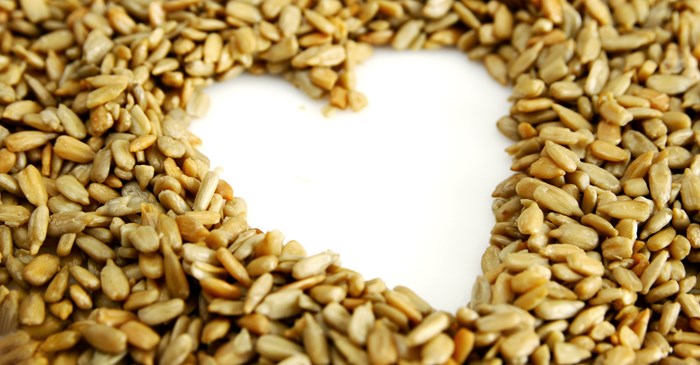
High quality natural original flavor sunflower seeds represent a significant segment within the global snack food industry. Positioned between commodity sunflower seeds and heavily processed/flavored options, these seeds offer a minimally altered product appealing to health-conscious consumers and those seeking authentic flavors. The production chain extends from agricultural cultivation and harvesting, through drying, grading, and finally packaging. Core performance indicators revolve around kernel size, oil content, moisture level, absence of foreign material, and sensory attributes (taste, aroma, texture). A key industry pain point is maintaining consistent quality across variable growing seasons and minimizing mycotoxin contamination, particularly aflatoxins, while preserving the natural flavor profile. This guide details the science and engineering behind delivering a premium, safe, and palatable natural sunflower seed product.
Material Science & Manufacturing
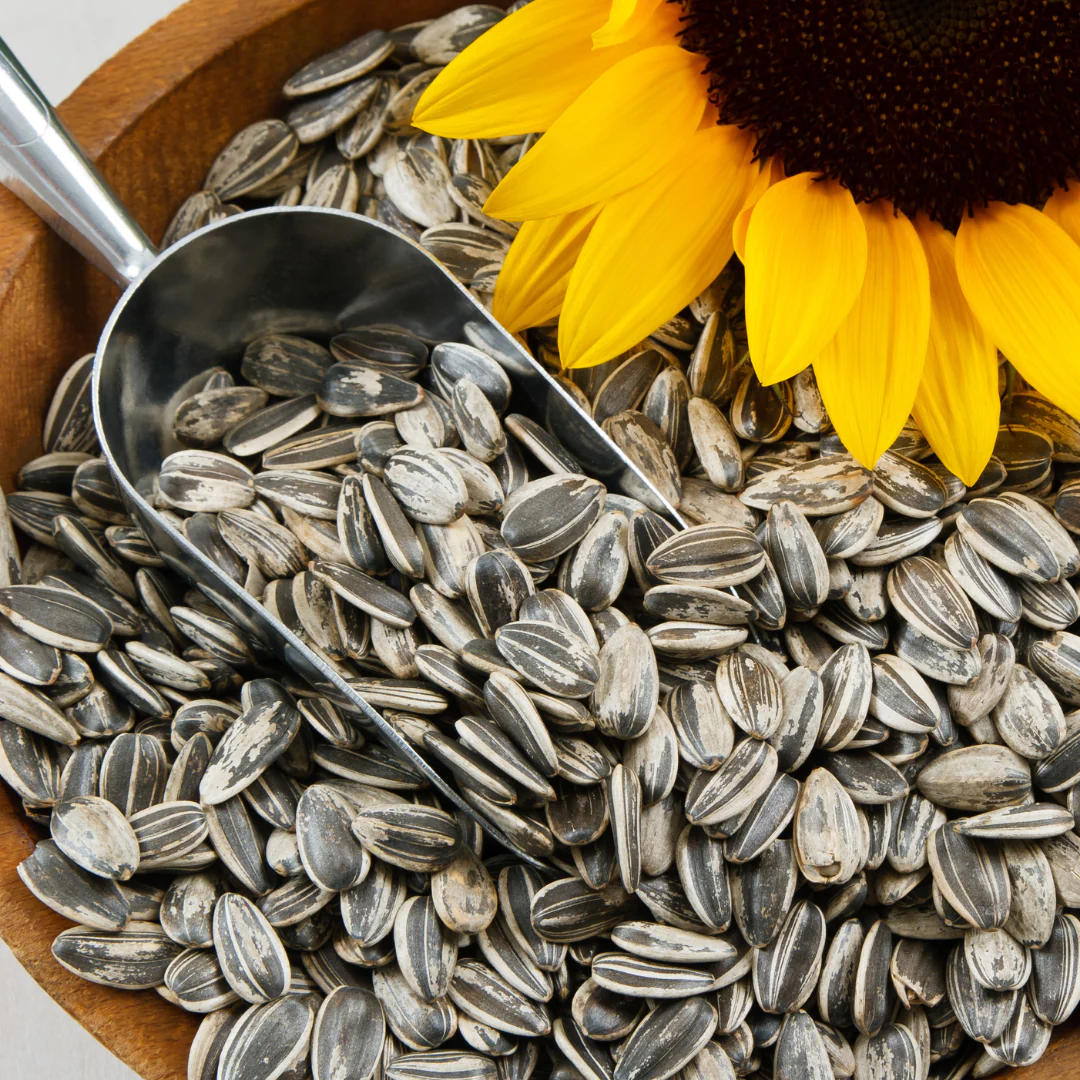
The raw material, Helianthus annuus (sunflower seed), comprises approximately 40-55% oil, 20-30% protein, 15-25% carbohydrate, and 5-10% moisture. The kernel’s hull, or pericarp, provides a protective barrier but also contributes fiber. Seed quality is heavily influenced by genetics, soil composition (particularly phosphorus and zinc content), and climate during maturation. Manufacturing begins with harvesting at optimal maturity, indicated by a black dot appearing on the back of the kernel. The seeds undergo cleaning to remove debris (stalks, leaves, stones). Drying is critical, employing either natural sun drying or forced-air drying to reduce moisture content to 8-10% for optimal storage stability. This process demands precise temperature control (typically below 40°C) to prevent denaturation of proteins and oxidation of oils. Grading separates seeds based on size and density, often utilizing screens and air classification. Dehulling, though not always performed for "natural" products, is a significant processing step in other sunflower seed segments and requires impact or abrasive methods, influencing kernel damage. Packaging utilizes materials with low oxygen transmission rates (OTR) and moisture vapor transmission rates (WVTR) to maintain freshness. Parameter control focuses on maintaining low peroxide values (a measure of rancidity) and minimizing the presence of hulls in packaged products. Specific attention is paid to controlling seed temperatures during drying to minimize acrylamide formation.
Performance & Engineering
Performance is primarily dictated by the mechanical properties of the kernel and its resistance to degradation. Kernel hardness, measured using a penetrometer, impacts processing efficiency and consumer acceptability. Oil stability, evaluated by the Rancimat method, determines shelf life. Force analysis during dehulling (if applicable) requires understanding the fracture toughness of the hull. Environmental resistance is critical during storage and transportation. Temperature and humidity fluctuations accelerate lipid oxidation and moisture uptake, leading to rancidity and microbial growth. Packaging engineering must address these factors. Compliance requirements include adherence to food safety regulations established by bodies such as the FDA (US) and EFSA (Europe), particularly regarding mycotoxin levels (aflatoxins, ochratoxin A) and heavy metal contamination. These are typically measured using HPLC and ELISA techniques. Functional implementation, in this case, is defined by providing a consistent, palatable, and safe snack product. This includes maintaining a desirable texture – firm but not excessively hard – and a characteristic sunflower flavor profile. Lipid profile analysis (oleic, linoleic acids) is also crucial for nutritional labelling and product positioning.
Technical Specifications
| Parameter | Unit | Typical Value (Range) | Test Method |
|---|---|---|---|
| Moisture Content | % | 8.0 – 10.0 | AOAC 925.10 |
| Oil Content | % (dry weight basis) | 45 – 55 | SOXTECH Method |
| Kernel Size (Average) | mm | 10-14 | Sieve Analysis |
| Peroxide Value | meq O2/kg | < 3.0 | AOCS Cd 8-53 |
| Aflatoxin B1 | ppb | < 20 | HPLC-FLD |
| Foreign Material | % | < 1.0 | Visual Inspection |
Failure Mode & Maintenance
Failure modes in natural sunflower seeds primarily revolve around quality degradation during storage. Rancidity, caused by lipid oxidation, is a prevalent issue, manifested by off-flavors and odors. This is accelerated by exposure to oxygen, light, and elevated temperatures. Moisture uptake can lead to microbial growth (molds, yeasts) and further accelerate deterioration, potentially leading to mycotoxin production. Physical damage during handling (cracking, chipping) impacts consumer appeal. Hull fragments present in the packaged product can contribute to a gritty texture and reduced palatability. Maintenance involves proper storage conditions – cool (below 20°C), dry (relative humidity <65%), and dark. Packaging with high barrier properties is crucial. Regular quality control testing, including peroxide value measurement and mycotoxin analysis, is essential. First-in, first-out (FIFO) inventory management minimizes storage time. To mitigate physical damage, gentle handling procedures are necessary throughout the processing and packaging lines. Periodic inspection of storage facilities for pests and evidence of moisture intrusion is recommended.
Industry FAQ
Q: What are the primary factors influencing aflatoxin contamination in sunflower seeds?
A: Aflatoxin contamination is heavily influenced by pre-harvest conditions – drought stress during flowering and seed fill increases susceptibility. Post-harvest handling also plays a critical role; improper drying and storage provide favorable conditions for Aspergillus flavus growth, the fungus responsible for aflatoxin production. Seed variety also exhibits varying levels of resistance.
Q: How does the drying process impact the nutritional value of sunflower seeds?
A: Excessive drying temperatures can lead to the degradation of heat-sensitive vitamins (e.g., vitamin E) and the formation of undesirable compounds like acrylamide. Optimizing drying parameters – lower temperatures and controlled airflow – is crucial to minimize nutrient loss and maintain flavor quality.
Q: What packaging materials provide the best barrier properties for preserving natural sunflower seed quality?
A: Multi-layer films incorporating aluminum foil or EVOH (ethylene vinyl alcohol) provide excellent barriers against oxygen and moisture. Metallized polyester films also offer good protection, but may not be as effective as foil-based structures. The choice depends on cost considerations and desired shelf life.
Q: What is the significance of the peroxide value in sunflower seed quality control?
A: The peroxide value is a primary indicator of lipid oxidation and rancidity. A low peroxide value signifies freshness and good oil stability. Monitoring peroxide value over time provides insight into the shelf life of the product. Higher values indicate significant degradation and unacceptability.
Q: How can we ensure consistent kernel size and minimize broken kernels during processing?
A: Utilizing well-maintained grading equipment with appropriate screen sizes is essential. Gentle handling during processing (conveying, packaging) minimizes mechanical damage. Optimizing dehulling parameters (if applicable) to avoid excessive force also reduces breakage. Careful control of moisture content during processing improves kernel integrity.
Conclusion
The production of high quality natural original flavor sunflower seeds demands a holistic approach, integrating agricultural best practices, precise manufacturing control, and robust quality assurance protocols. Maintaining optimal moisture content, mitigating mycotoxin risk, and preserving the natural lipid profile are paramount. Failure to address these critical factors can lead to rapid quality degradation and product unacceptability.
Future advancements may focus on developing sunflower seed varieties with enhanced aflatoxin resistance and improved oil stability. Improved packaging technologies offering even greater barrier properties will further extend shelf life and maintain product quality. Continued refinement of drying and grading processes will contribute to consistent kernel size and reduced mechanical damage, ultimately delivering a superior snacking experience.
