Introduction
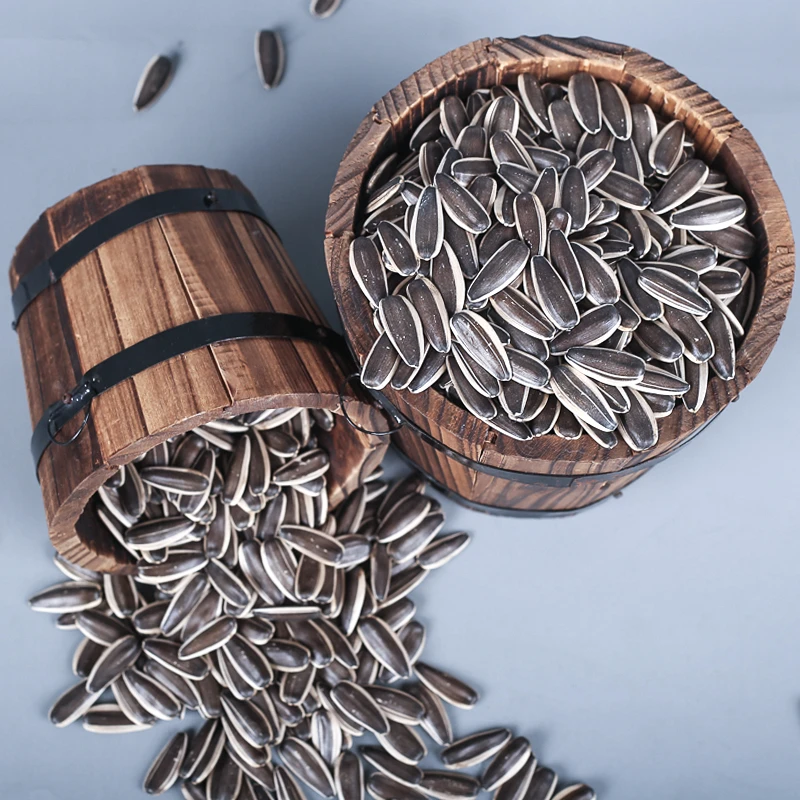
High quality natural organic sunflower seeds ( Helianthus annuus) represent a significant commodity within the global food and oilseed market. Their technical position lies as a primary source of edible oil, confectionary kernels, and a valuable protein-rich ingredient for animal feed. These seeds are differentiated by their cultivation methods, specifically adherence to organic farming principles, resulting in a product free from synthetic pesticides and fertilizers. Core performance characteristics revolve around oil content, kernel size and weight, protein profile, and levels of key micronutrients such as Vitamin E and linoleic acid. A key industry pain point concerns maintaining consistent kernel quality across varying growing seasons and geographical origins, influenced by factors such as soil composition, rainfall, and pest management strategies. Another critical challenge is preventing lipid oxidation during storage and processing, impacting oil quality and shelf life. This guide details the material science, manufacturing processes, performance attributes, potential failure modes, and industry standards related to high quality natural organic sunflower seeds, providing a comprehensive technical overview for procurement managers, quality control specialists, and processing engineers.
Material Science & Manufacturing
Sunflower seeds are biologically composed of a hull (pericarp), kernel (cotyledon), and embryo. The hull comprises approximately 20-30% of the seed weight, consisting primarily of cellulose, hemicellulose, and lignin. Kernel composition is dominated by lipids (40-60% depending on variety), proteins (18-25%), carbohydrates (10-20%), and moisture (5-10%). The lipids are largely unsaturated fatty acids, notably linoleic acid (omega-6) and oleic acid (omega-9). Organic certification mandates the absence of genetically modified organisms (GMOs) and restricts the use of synthetic inputs. Manufacturing begins with land preparation, utilizing crop rotation and cover cropping to improve soil health. Seed selection focuses on high-oleic or mid-oleic varieties for improved oil stability. Planting density and irrigation are critical parameters influencing yield. Harvesting is typically performed mechanically, followed by cleaning to remove debris. Drying is crucial to reduce moisture content to approximately 8-10% to prevent mold growth and lipid peroxidation. This is achieved using forced-air drying systems with carefully controlled temperature (typically below 45°C) to preserve oil quality. Further processing may involve dehulling, kernel grading (based on size and density), and oil extraction via mechanical pressing or solvent extraction (hexane is commonly used, though organic processing prohibits its use). Parameter control during drying is paramount; excessive temperatures lead to protein denaturation and reduced oil quality, while insufficient drying results in fungal contamination. Organic integrity must be maintained throughout the entire supply chain, requiring strict traceability and documentation.
Performance & Engineering
The engineering performance of sunflower seeds is primarily related to their physical integrity and oil yield. Hull strength is a critical factor during processing, influencing dehulling efficiency and minimizing kernel breakage. Force analysis during dehulling requires understanding the fracture mechanics of the hull material. Environmental resistance pertains to seed viability during storage. High temperatures and humidity accelerate lipid oxidation and microbial growth. Controlled atmosphere storage (reducing oxygen levels) and the addition of natural antioxidants (e.g., Vitamin E) are employed to enhance shelf life. Compliance requirements are stringent, particularly regarding organic certification standards (USDA Organic, EU Organic Regulation). These standards dictate allowable levels of pesticide residues, heavy metals, and mycotoxins. Furthermore, oil extracted from the seeds must meet food-grade specifications regarding acidity, peroxide value, and moisture content. The functional implementation of sunflower seeds extends to their nutritional value in human and animal diets. Oil yield, typically around 40-50% by weight, is a key performance indicator for producers. Protein digestibility is another important consideration, particularly for animal feed applications. The presence of phytosterols and other bioactive compounds contributes to the health benefits associated with sunflower seed consumption. Mechanical damage during handling and processing can significantly reduce oil yield and seed quality; therefore, gentle handling techniques and optimized processing parameters are crucial.
Technical Specifications
| Parameter | Unit | Typical Range (Organic) | Test Method |
|---|---|---|---|
| Oil Content (Dry Basis) | % | 45-55 | AOAC Official Method 920.39 |
| Protein Content (Dry Basis) | % | 18-25 | AOAC Official Method 978.04 |
| Moisture Content | % | 8-10 | AOAC Official Method 925.10 |
| Hull Percentage | % | 20-30 | Visual Inspection & Weighing |
| Kernel Size (Diameter) | mm | 8-12 | Sieve Analysis |
| Acid Value (Oil) | mg KOH/g | <0.5 | AOCS Cd 3-50 |
| Peroxide Value (Oil) | meq O2/kg | <5 | AOCS Cd 8-53 |
Failure Mode & Maintenance
Sunflower seeds are susceptible to several failure modes during storage and processing. Lipid oxidation is a primary concern, leading to rancidity and reduced oil quality. This is accelerated by exposure to oxygen, light, and heat. Fungal contamination (e.g., Aspergillus flavus) can produce mycotoxins, rendering the seeds unsafe for consumption. Mechanical damage during handling (cracking, chipping) reduces oil yield and increases susceptibility to oxidation. Insect infestation is another potential failure mode, particularly in improperly stored seeds. Maintenance strategies involve strict adherence to good storage practices: maintaining low temperatures (below 15°C), controlling humidity (below 65%), and ensuring adequate ventilation. Regular monitoring for insect activity and fungal growth is essential. The use of airtight storage containers minimizes oxygen exposure. For larger-scale storage, controlled atmosphere storage with reduced oxygen levels is recommended. Preventive maintenance of harvesting and processing equipment minimizes mechanical damage. Seed treatments with natural antifungal agents (e.g., essential oils) can help prevent fungal contamination, though organic certification must be verified. Regular oil quality testing (acid value, peroxide value) is crucial for detecting early signs of oxidation. Prompt processing or appropriate storage measures are vital to mitigate these failure modes.
Industry FAQ
Q: What is the significance of the oleic/linoleic acid ratio in sunflower seeds, and how does it affect oil stability?
A: The ratio of oleic to linoleic acid is a critical determinant of oil stability. High-oleic sunflower oil, with a higher proportion of oleic acid (a monounsaturated fatty acid), is more resistant to oxidation and exhibits a longer shelf life compared to traditional linoleic sunflower oil. Linoleic acid (a polyunsaturated fatty acid) is more prone to oxidation, leading to rancidity. Therefore, varieties bred for high oleic acid content are preferred for applications requiring extended shelf life and high-temperature stability.
Q: How does organic certification impact the allowable storage methods for sunflower seeds?
A: Organic certification restricts the use of synthetic fungicides and preservatives commonly used for long-term seed storage. This necessitates relying on preventative measures like controlled atmosphere storage, low-temperature drying, and airtight containers. The use of any post-harvest treatments must be approved by the certifying body and comply with organic standards. Documentation of storage conditions and traceability throughout the supply chain are crucial for maintaining organic integrity.
Q: What are the key differences in processing requirements between hulled and in-shell sunflower seeds?
A: Hulled sunflower seeds require more rigorous cleaning and sorting to remove hull fragments. The dehulling process itself can generate fines (small kernel pieces) that impact oil yield and quality. In-shell seeds are easier to handle and store, but require an additional dehulling step before oil extraction or consumption. Dehulling efficiency is a critical parameter, and optimization of dehulling parameters (pressure, temperature) is essential to minimize kernel damage.
Q: How is the moisture content of sunflower seeds measured, and why is it important?
A: Moisture content is typically measured using a moisture analyzer based on the oven-drying method (AOAC 925.10). This involves weighing a sample, drying it in an oven at a specified temperature until constant weight, and calculating the moisture loss. Moisture content is crucial because it directly impacts seed viability, susceptibility to fungal growth, and oil quality. High moisture content promotes mold development and lipid oxidation, while low moisture content can lead to kernel cracking during processing.
Q: What are the common methods for detecting mycotoxin contamination in sunflower seeds?
A: Common methods for detecting mycotoxin contamination (primarily aflatoxins) include Enzyme-Linked Immunosorbent Assay (ELISA) and High-Performance Liquid Chromatography (HPLC) with fluorescence detection. These methods allow for the quantification of mycotoxins at trace levels. Regulatory bodies establish maximum allowable limits for mycotoxins in food and feed, and regular testing is essential to ensure compliance.
Conclusion
High quality natural organic sunflower seeds represent a complex agricultural product demanding stringent quality control across the entire value chain. Understanding the material science of the seed, coupled with optimized manufacturing processes and meticulous adherence to organic standards, is paramount for delivering a consistently high-quality product. Maintaining appropriate storage conditions and proactively mitigating failure modes such as lipid oxidation and fungal contamination are essential for preserving seed viability and oil quality.
Future advancements will likely focus on developing improved sunflower varieties with enhanced oil stability, increased disease resistance, and optimized kernel characteristics. Furthermore, the implementation of advanced monitoring technologies, such as near-infrared spectroscopy for rapid moisture and oil content analysis, will enhance quality control efficiency. Continued research into natural preservation methods and sustainable farming practices will further solidify the position of organic sunflower seeds as a valuable and healthy food source.
