Introduction
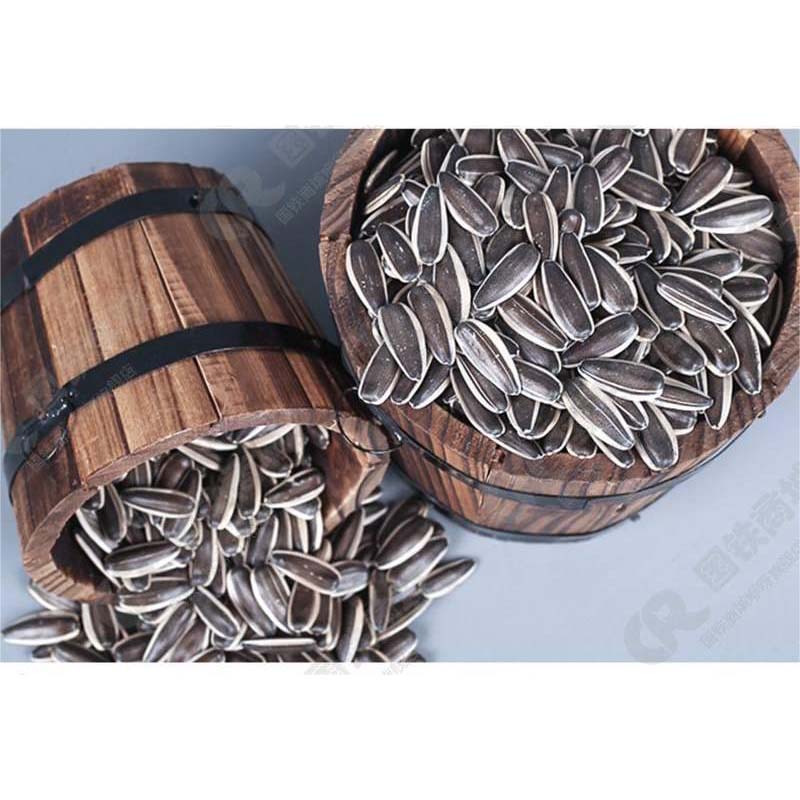
High quality muskmelon seeds represent a critical input in the horticultural industry, serving as the foundational element for commercial muskmelon production. Their technical position lies at the very beginning of the agricultural value chain, impacting yield, fruit quality, disease resistance, and ultimately, profitability. Muskmelon ( Cucumis melo var. reticulatus) seeds, differentiated by quality factors such as germination rate, genetic purity, and vigor, directly determine the success of cultivation. Core performance characteristics center around genetic stability – ensuring consistent traits across generations – alongside physiological attributes like seed dormancy, storage longevity, and susceptibility to seed-borne pathogens. The industry faces increasing pressure to optimize seed quality for improved efficiency, reduced pesticide usage, and meeting consumer demand for consistent, flavorful fruit. Seed quality isn’t simply about viability, but a complex interaction of biochemical and physical properties. This guide provides an in-depth analysis of these factors, outlining the material science, manufacturing processes, performance parameters, and potential failure modes associated with high quality muskmelon seeds.
Material Science & Manufacturing
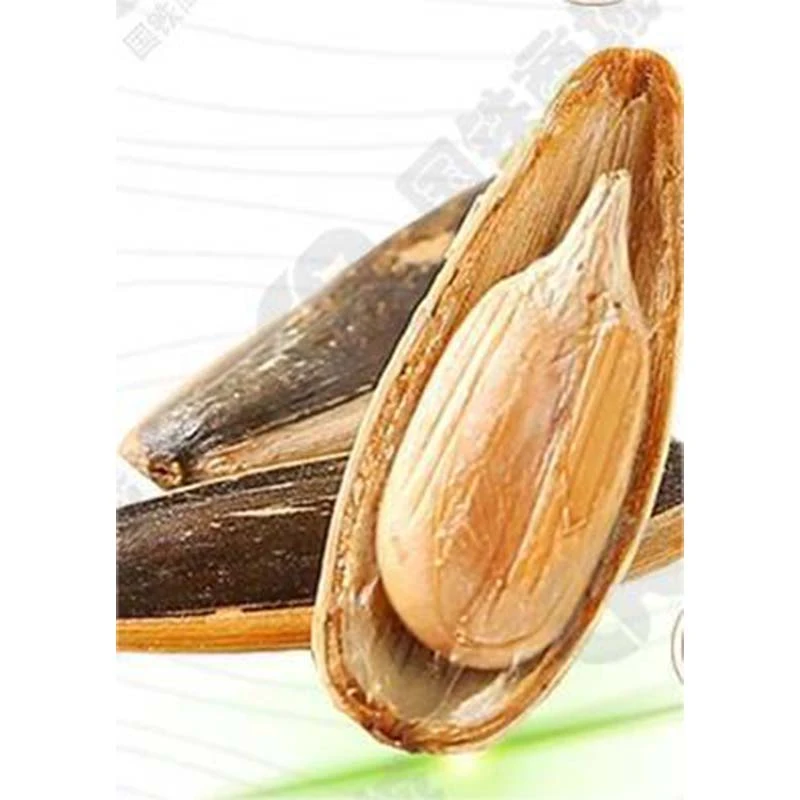
The raw material, the muskmelon fruit itself, contains seeds exhibiting a complex biological structure. The seed comprises the embryo, endosperm (nutrient reserve), and seed coat (testa). The testa is composed primarily of lignocellulose, offering physical protection, and contains aleurone layers rich in proteins and lipids. The embryo is a miniature plant, containing cotyledons and a radicle (root). Manufacturing begins with fruit selection – only mature, healthy fruits yield seeds with optimal quality. Extraction typically involves mechanical crushing and separation, followed by cleaning and drying processes. Seed drying is critical, reducing moisture content to approximately 7-8% to ensure storage longevity. This is often achieved using controlled-temperature drying systems, avoiding thermal shock which can damage the embryo. Further processing includes grading by size and weight, and often, seed coating with protective polymers and beneficial microbes. Key parameters during manufacturing include drying temperature (maintained below 45°C to preserve viability), seed moisture content (monitored continuously), and coating uniformity. Seed coating materials commonly include polymers like polyethylene glycol (PEG), clay minerals (kaolin), and biostimulants like Trichoderma species. Chemical compatibility between the seed coat and coating materials is paramount to prevent disruption of gas exchange and water uptake during germination. The presence of residual agricultural chemicals on the fruit, and therefore the seeds, must be minimized, adhering to maximum residue limits (MRLs) set by regulatory bodies. Post-harvest treatment with fungicides and insecticides requires stringent quality control.
Performance & Engineering
Muskmelon seed performance is assessed based on several key engineering parameters. Germination percentage, typically exceeding 85% for high-quality seeds, is the primary indicator of viability. Germination rate, measured as the time taken for 50% of seeds to germinate, dictates planting window optimization. Seed vigor, representing the seedling's growth potential, is assessed through seedling growth rate, root length, and dry weight. Force analysis is relevant in seed coating applications – the coating must be durable enough to withstand handling and planting forces without cracking or detaching. Environmental resistance focuses on seed tolerance to temperature fluctuations, humidity, and soil salinity. Compliance requirements dictate adherence to seed labeling regulations, phytosanitary standards (preventing the spread of plant pathogens), and genetic modification regulations (if applicable). The functional implementation of seed treatments, such as coating with fungicides, relies on controlled release mechanisms to provide sustained protection during germination and early seedling growth. Seed dormancy, controlled by abscisic acid (ABA) and gibberellic acid (GA) levels, is a critical factor in storage and planting timing. Understanding the seed’s physiological response to environmental cues (light, temperature) is crucial for optimizing germination success. Seed performance is also affected by the seedbed’s physical properties – soil texture, moisture content, and aeration.
Technical Specifications
| Parameter | Unit | Specification (High Quality) | Testing Method |
|---|---|---|---|
| Germination Percentage | % | ≥ 88% | ISTA Method 200 |
| Germination Rate (T50) | Days | ≤ 5 | ISTA Method 200 |
| Seed Moisture Content | % | 7.0 – 8.5 | ISTA Method 203 |
| Genetic Purity | % | ≥ 99% | Grow-out test, morphological markers |
| Seed Vigor Index | - | ≥ 70 | Seedling dry weight, root length measurements |
| Seed Size (1000-seed weight) | g | 10 – 15 | Weight measurement |
Failure Mode & Maintenance
Failure modes in muskmelon seeds can be categorized into physical, physiological, and pathological causes. Physical failures include mechanical damage during handling or planting, leading to embryo disruption. Physiological failures encompass dormancy issues, reduced vigor due to aging, and sensitivity to temperature or moisture stress. Pathological failures are caused by seed-borne pathogens like Fusarium oxysporum f. sp. melonis, Didymella bryoniae, and bacterial fruit blotch (Acidovorax citrulli). Common failure mechanisms include: fatigue cracking of the seed coat due to repeated handling; delamination of seed coatings; degradation of the embryo’s genetic material due to prolonged storage; oxidation of lipids within the endosperm leading to reduced energy reserves; and fungal colonization causing seed rot. Maintenance, primarily focused on proper storage, is crucial. Seeds should be stored in cool, dry conditions (temperature below 15°C, relative humidity below 50%) in airtight containers. Regular monitoring of seed moisture content is essential. Seed treatments with fungicides and insecticides can provide preventative protection against pathogens and insects. Implementing a seed health testing program, utilizing molecular diagnostics (PCR) for pathogen detection, is critical for identifying and eliminating infected seed lots. Maintaining accurate records of seed lot numbers, storage conditions, and germination test results allows for traceability and effective quality control. Periodic viability testing (germination tests) should be conducted to monitor seed quality during storage.
Industry FAQ
Q: What is the acceptable tolerance for seed-borne pathogens in a high-quality muskmelon seed lot?
A: The acceptable tolerance for seed-borne pathogens varies depending on the pathogen and regulatory requirements. Generally, zero tolerance is desired for quarantine pathogens. For common pathogens like Fusarium oxysporum f. sp. melonis, a maximum tolerance of 0.1% infection rate is often specified, determined through laboratory analysis using standard blotter or agar plating methods. Accurate pathogen identification is crucial, employing techniques like PCR for definitive diagnosis.
Q: How does seed coating impact seedling emergence, and what are the optimal coating material properties?
A: Seed coating can positively impact seedling emergence by providing physical protection, delivering nutrients, and protecting against soil-borne pathogens. Optimal coating material properties include: uniform coverage; appropriate porosity for gas exchange and water uptake; good adhesion to the seed coat; and compatibility with active ingredients (fungicides, biostimulants). The coating should not impede germination or seedling growth. Polymer coatings with controlled-release capabilities are often preferred.
Q: What is the shelf life of high-quality muskmelon seeds under optimal storage conditions?
A: Under optimal storage conditions (cool, dry environment – below 15°C and below 50% relative humidity, airtight containers), high-quality muskmelon seeds typically maintain >80% germination for 3-5 years. However, germination percentage will gradually decline over time. Regular viability testing is recommended to monitor seed quality.
Q: What factors contribute to seed dormancy in muskmelon, and how can it be overcome?
A: Seed dormancy in muskmelon is primarily controlled by hormonal balances (abscisic acid and gibberellic acid) and the physical barrier of the seed coat. Factors influencing dormancy include fruit maturity at harvest, seed storage conditions, and genetic factors. Dormancy can be overcome through stratification (cold, moist treatment) or scarification (physical abrasion of the seed coat) to promote water uptake and germination. Hormonal priming with GA3 can also be employed.
Q: How important is genetic purity in muskmelon seeds, and how is it verified?
A: Genetic purity is paramount in muskmelon seeds, ensuring that the resulting plants exhibit the desired traits consistently. Genetic purity is verified through grow-out tests, where a representative sample of seeds is planted and the resulting plants are evaluated for morphological traits and molecular markers. A genetic purity of ≥99% is generally considered acceptable for high-quality seeds.
Conclusion
High quality muskmelon seeds are far more than simply viable propagules; they are a complex product of biological and engineering principles. Their performance is dictated by a confluence of material properties, meticulous manufacturing processes, and rigorous quality control measures. Understanding the interplay between seed dormancy, pathogen resistance, and genetic purity is critical for maximizing yield and ensuring consistent fruit quality.
Future advancements in muskmelon seed technology will likely focus on enhancing seed vigor through optimized seed priming techniques, developing disease-resistant varieties utilizing advanced breeding technologies, and implementing precision seed coating formulations for targeted nutrient and protection delivery. Continued adherence to international standards and a commitment to rigorous quality control will be essential for maintaining the integrity and performance of high quality muskmelon seeds in the global agricultural market.
