Introduction
High quality muskmelon seeds represent a critical input for commercial melon production, influencing yield, fruit quality, and disease resistance. These seeds are not merely biological material; they are a product of advanced plant breeding, rigorous quality control, and sophisticated seed processing techniques. Within the agricultural supply chain, seed quality dictates subsequent operational efficiency and profitability for growers. This technical guide provides an in-depth analysis of muskmelon seed quality, encompassing material science related to seed composition, manufacturing processes involved in seed production, performance characteristics influencing germination and plant vigor, potential failure modes impacting crop establishment, and relevant industry standards. The primary pain points addressed relate to seed viability assurance, genetic purity maintenance, and mitigating risks associated with seedborne diseases. Understanding these facets is crucial for procurement managers and agricultural engineers involved in large-scale muskmelon cultivation.
Material Science & Manufacturing
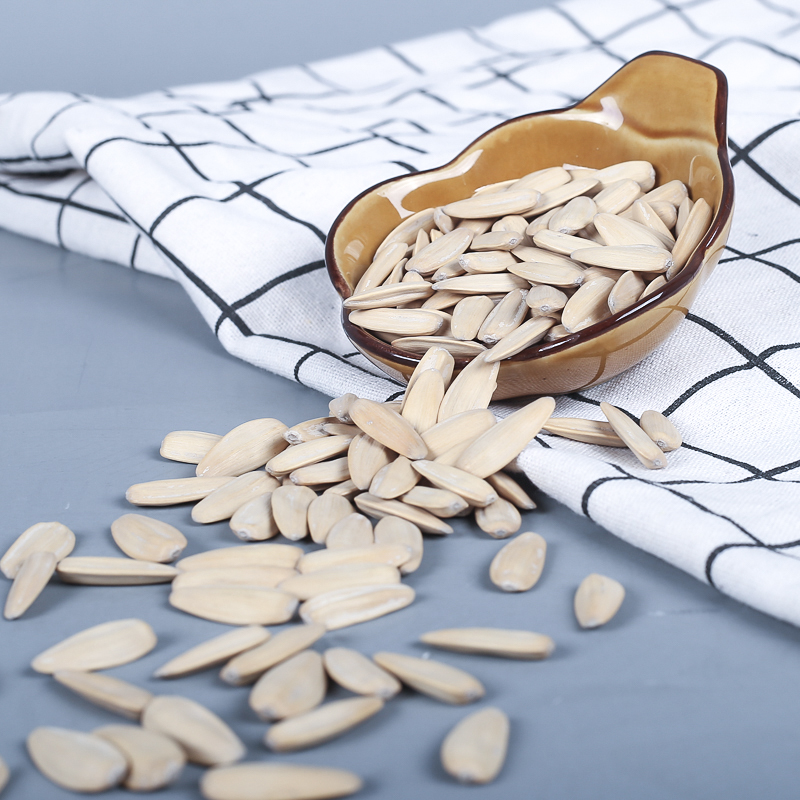
Muskmelon seeds (Cucumis melo) are composed primarily of the embryo, endosperm, and seed coat (testa). The embryo contains the genetic blueprint for the future plant, while the endosperm provides nutritional reserves, predominantly carbohydrates and proteins, to fuel initial germination and seedling development. The seed coat offers physical protection against mechanical damage, pathogens, and desiccation. Chemically, the seed coat consists of cellulose, hemicellulose, lignin, and cutin, providing a barrier against environmental stressors. Raw material selection begins with identifying superior melon varieties exhibiting desirable traits such as disease resistance, fruit size, and sugar content. Controlled pollination is critical to ensure genetic purity. Manufacturing begins with harvesting mature melons, extracting seeds, and conducting initial cleaning and grading. Seed drying is a crucial step, typically employing controlled-temperature air drying to reduce moisture content to approximately 7-8%, preventing fungal growth and preserving viability. Seed coating, often with polymers and micronutrients, enhances handling characteristics, protects against pests and diseases, and improves seedling emergence. Key parameter control includes maintaining optimal drying temperatures (typically below 40°C to avoid protein denaturation), monitoring seed moisture content regularly, and ensuring uniform coating application. The mechanical strength of the seed coat, assessed via impact resistance testing, is a vital quality parameter. Chemical compatibility of seed coatings with active ingredients (e.g., fungicides, insecticides) must be verified to prevent phytotoxicity.
Performance & Engineering
The performance of muskmelon seeds is fundamentally tied to germination rate, seedling vigor, and genetic stability. Germination rate, typically expressed as a percentage, is influenced by seed viability, dormancy levels, and environmental factors such as temperature and moisture. Seedling vigor, assessed by root length, shoot length, and cotyledon size, dictates the plant’s ability to establish quickly and compete with weeds. Force analysis related to seed coat rupture during germination is critical; adequate force is needed for radicle emergence but excessive force can damage the seedling. Environmental resistance is paramount. Seeds must tolerate temperature fluctuations during storage and germination, and seedlings must exhibit tolerance to drought, salinity, and common soilborne pathogens. Compliance requirements involve adherence to seed certification standards, which vary by region (e.g., Association of Official Seed Certifying Agencies – AOSCA in the US). Functional implementation relies on optimizing seed treatments with fungicides and insecticides to protect against seedborne and soilborne diseases, enhancing seedling survival. Seed priming, a controlled hydration process, can accelerate germination and improve uniformity. Furthermore, breeding for improved seed dormancy characteristics can extend the storage life and broaden the planting window.
Technical Specifications
| Germination Rate (%) | Purity (%) | Moisture Content (%) | 1000-Seed Weight (g) |
|---|---|---|---|
| ≥ 85 | ≥ 98 | ≤ 8.0 | 280-320 |
| ≥ 90 (Premium) | ≥ 99 | ≤ 7.0 | 300-350 |
| ≥ 80 (Standard) | ≥ 95 | ≤ 9.0 | 250-290 |
| ≥ 88 (Hybrid Varieties) | ≥ 97 | ≤ 8.5 | 290-330 |
| ≥ 92 (Organic Certified) | ≥ 99 | ≤ 7.5 | 310-360 |
| ≥ 75 (Open-Pollinated) | ≥ 90 | ≤ 10.0 | 260-300 |
Failure Mode & Maintenance
Muskmelon seed failure can manifest in several ways. Physiological deterioration, caused by lipid peroxidation and enzyme inactivation during storage, leads to reduced viability. Mechanical damage during harvesting, processing, or handling can compromise the seed coat, increasing susceptibility to pathogens. Seedborne diseases, such as Fusarium wilt and powdery mildew, significantly reduce germination and seedling vigor. Failure modes also include dormancy issues, where seeds fail to germinate even under favorable conditions. Oxidation of seed lipids contributes to reduced energy reserves. Maintenance involves storing seeds in cool, dry conditions (ideally below 15°C and relative humidity below 50%) to minimize deterioration. Regular seed testing for viability and seedborne pathogens is crucial. Seed treatments with fungicides and insecticides provide protection against common diseases and pests. Implementing a robust seed tracking system allows for traceability and identification of potential quality issues. Proper handling during planting prevents mechanical damage and ensures optimal seed-soil contact. For seed lots exhibiting low viability, consider seed priming or hot water treatment to break dormancy.
Industry FAQ
Q: What is the acceptable tolerance for off-type plants in a certified muskmelon seed lot?
A: The acceptable tolerance for off-type plants, indicating genetic deviation from the stated variety, is typically 0.1% or less in certified seed lots. Exceeding this threshold signifies a compromise in genetic purity and can lead to inconsistent fruit characteristics and reduced yield. Seed certification agencies enforce strict adherence to these standards.
Q: How do seed coatings impact seedling disease resistance?
A: Seed coatings containing fungicides (e.g., thiram, captan) provide a protective barrier against seedborne and soilborne pathogens, particularly during the vulnerable germination and seedling stages. They offer localized protection, reducing the need for broader pesticide applications. The effectiveness depends on the fungicide used, its concentration, and the target pathogen.
Q: What is the optimal storage life for high quality muskmelon seeds?
A: Under optimal storage conditions (cool, dry environment), high quality muskmelon seeds can maintain acceptable viability for 3-5 years. However, germination rates decline gradually over time. It's recommended to conduct viability testing annually to ensure optimal performance. Seed longevity is influenced by variety, moisture content, and storage temperature.
Q: How does seed vigor relate to transplant success?
A: Seed vigor, encompassing rapid germination and robust seedling growth, is directly correlated with transplant success. Vigorous seedlings are better equipped to withstand transplant shock, establish quickly, and resist environmental stressors. Seed lots with high vigor are particularly important for direct-seeded crops and regions with short growing seasons.
Q: What testing protocols are used to assess seedborne pathogen levels?
A: Common testing protocols include laboratory analysis using agar plating methods to detect fungal pathogens (e.g., Fusarium, Alternaria), ELISA (Enzyme-Linked Immunosorbent Assay) for viral detection, and PCR (Polymerase Chain Reaction) for identifying specific pathogens. These tests provide quantitative data on pathogen prevalence, enabling informed seed treatment decisions.
Conclusion
The selection and procurement of high quality muskmelon seeds are foundational to successful commercial cultivation. A thorough understanding of seed material science, manufacturing protocols, performance characteristics, and potential failure modes is essential for maximizing yield and minimizing risk. Seed viability, genetic purity, and disease resistance are paramount considerations, demanding rigorous quality control throughout the supply chain.
Future advancements in seed technology, including precision seed treatments, marker-assisted selection for improved traits, and enhanced seed coating formulations, will continue to refine muskmelon seed quality and performance. By adhering to industry best practices and relevant standards, growers and procurement professionals can optimize their investment in seeds and ensure sustainable melon production.
