
Introduction
High-quality muskmelon seeds represent a critical input in commercial horticulture, impacting yield, fruit quality, and ultimately, economic viability. These seeds are not simply biological propagules; they are the product of sophisticated plant breeding programs designed to deliver specific agronomic traits, disease resistance, and consumer-preferred characteristics. The online procurement of muskmelon seeds has grown significantly, presenting both opportunities and challenges for growers. Ensuring seed viability, genetic purity, and adherence to phytosanitary regulations are paramount concerns. This guide provides a comprehensive technical overview of muskmelon seed quality, encompassing material science aspects of seed physiology, manufacturing processes, performance characteristics, potential failure modes, and relevant industry standards. It aims to equip procurement managers and agricultural engineers with the detailed understanding necessary to make informed purchasing decisions and optimize muskmelon production.
Material Science & Manufacturing
Muskmelon seeds, botanically classified within the Cucumis melo species, are composed primarily of an embryo, endosperm (nutrient reserve), and a seed coat (testa). The testa provides physical protection and is composed of multiple layers, including the cuticle, epidermis, and sclerenchyma cells. The chemical composition is approximately 50-60% carbohydrates (primarily starch), 20-30% proteins, and 10-15% lipids, with trace amounts of vitamins and minerals. Lipid composition is crucial, with linoleic and oleic acids being dominant, influencing seed longevity and germination rates.
Manufacturing processes begin with controlled pollination and fruit development. Seeds are extracted from mature fruits, typically via mechanical pulp removal followed by washing and drying. Drying is a critical parameter, requiring precise control of temperature and humidity (typically <13% moisture content) to prevent seed deterioration. Further processing often includes grading (based on size and weight), coating (with fungicides, insecticides, or biostimulants), and packaging. Seed coating materials often consist of polymers such as polyethylene glycol (PEG) or clay-based formulations. Quality control involves germination testing (assessed via standardized petri dish assays), purity analysis (identification of weed seeds or other crop contaminants), and disease screening (using agar plate methods to detect fungal or bacterial pathogens). Seed vigor testing, employing accelerated aging techniques, assesses the seed’s ability to withstand stressful conditions and maintain germination capacity. Parameter control during drying – specifically maintaining consistent airflow and temperature gradients – prevents thermal stress and cracking of the seed coat, ensuring viability. The uniformity of coating application is also crucial; uneven coatings can lead to inconsistent pest or disease protection.
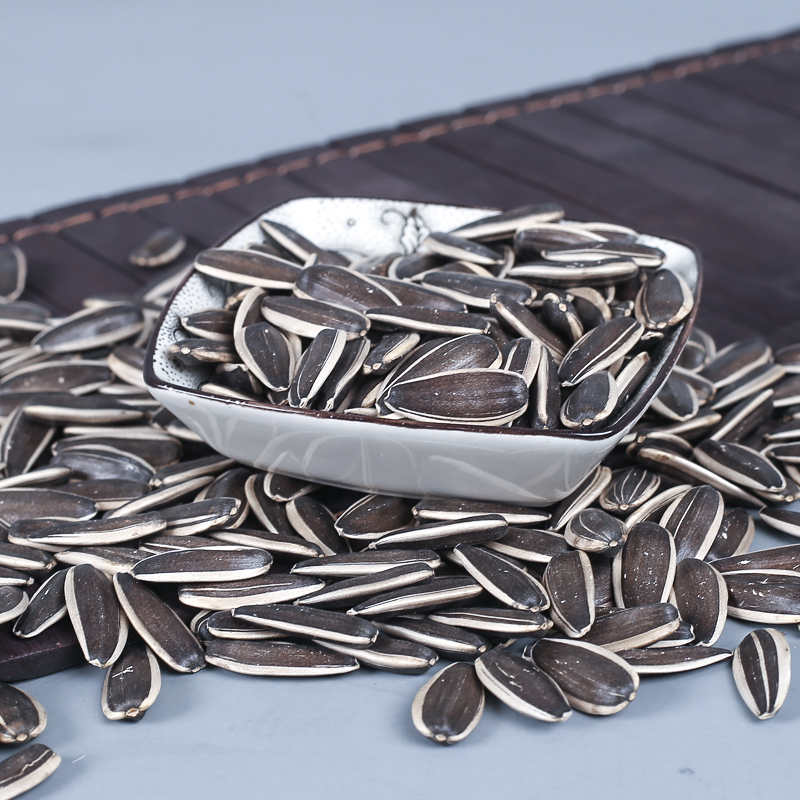
Performance & Engineering
The performance of muskmelon seeds is inextricably linked to the genetic potential of the cultivar and the physiological quality of the seed itself. Key performance indicators include germination percentage, germination speed (measured by mean germination time), seedling vigor (assessed by root and shoot length), and disease resistance. Seed performance is influenced by environmental factors post-sowing, including soil temperature, moisture availability, and light intensity.
Engineering considerations focus on optimizing seedbed preparation and irrigation strategies. Soil temperature directly impacts germination; muskmelon seeds typically require a soil temperature of 20-30°C for optimal emergence. Moisture stress, both excessive and deficient, can inhibit germination and seedling establishment. The mechanical properties of the seed coat (tensile strength, rupture resistance) influence its ability to withstand handling during planting and emergence. Genetic engineering has led to the development of muskmelon varieties with enhanced disease resistance (e.g., to powdery mildew and Fusarium wilt) and improved fruit quality (e.g., increased sugar content and shelf life). Compliance with phytosanitary regulations is critical, necessitating adherence to seed treatment protocols to prevent the spread of invasive species or plant pathogens. Varietal performance is also assessed through regional trials under diverse agroclimatic conditions to ensure adaptability and yield stability.
Technical Specifications
| Parameter | Unit | Standard Range | Critical Tolerance |
|---|---|---|---|
| Germination Rate | % | ≥ 85 | < 80 (Reject) |
| Purity | % | ≥ 98 | < 95 (Warning) |
| Moisture Content | % | ≤ 8 | > 10 (Reject) |
| Seed Weight (1000 seeds) | g | 10-15 | Outside 8-17g (Investigate) |
| Inert Matter | % | ≤ 0.5 | > 1.0 (Reject) |
| Seed-borne Disease Incidence | % | 0 | > 0.1 (Reject - Dependent on pathogen) |
Failure Mode & Maintenance
Muskmelon seed failure can manifest in several ways. Seed dormancy, a physiological state preventing immediate germination, can be broken by stratification (cold, moist treatment) or scarification (physical abrasion of the seed coat). However, improper stratification or excessive scarification can damage the embryo, leading to non-viability. Mechanical damage during handling or planting can cause seed coat cracking, facilitating pathogen entry and reducing germination. Physiological deterioration, accelerated by high temperatures and humidity, leads to decreased enzyme activity and loss of viability.
Failure analysis often reveals fungal or bacterial contamination as a primary cause of seed failure. Common pathogens include Alternaria cucumerina (causing damping-off) and Fusarium oxysporum f. sp. melonis (causing Fusarium wilt). Insect damage (e.g., by seed beetles) can also compromise seed viability. Maintenance strategies focus on proper seed storage. Seeds should be stored in cool (4-10°C), dry (<50% relative humidity) conditions, away from direct sunlight and physical damage. Regular monitoring of seed stocks for moisture content and germination rate is essential. Implementing a robust seed health program, including seed treatment with appropriate fungicides and insecticides, minimizes the risk of seedborne diseases. Employing a "first in, first out" (FIFO) inventory management system ensures that older seed stocks are used before newer ones, maximizing viability.
Industry FAQ
Q: What is the significance of seed lot homogeneity in ensuring consistent crop establishment?
A: Seed lot homogeneity refers to the uniformity of genetic and physiological characteristics within a seed batch. High homogeneity translates to predictable germination rates, seedling vigor, and fruit quality. Non-homogeneity can result in uneven emergence, varied growth rates, and inconsistent yields, creating logistical challenges during harvest and marketing. Ensuring homogeneity requires stringent quality control measures during seed production, including controlled pollination, rigorous seed grading, and thorough testing.
Q: How do different seed coating materials impact seedling performance?
A: Seed coating materials can significantly influence seedling performance. Polymer coatings (e.g., PEG) provide a protective barrier against environmental stresses and improve seed handling. Coatings containing plant growth regulators can enhance germination and seedling vigor. However, certain coating materials can impede water uptake or release phytotoxic compounds, hindering germination. The ideal coating material depends on the specific cultivar, growing conditions, and target pest or disease.
Q: What analytical methods are used to determine seed viability beyond simple germination tests?
A: While germination tests provide a basic assessment of viability, more sophisticated methods offer deeper insights. Tetrazolium (TZ) testing utilizes a dye to assess the metabolic activity of the embryo, providing a precise measure of viability. Electrical conductivity testing measures ion leakage from damaged cell membranes, indicating seed deterioration. Accelerated aging tests subject seeds to elevated temperatures and humidity to simulate prolonged storage, predicting long-term viability.
Q: How does the seed source (hybrid vs. open-pollinated) affect the risk of genetic drift and quality control?
A: Hybrid seeds offer greater uniformity and predictable performance due to their genetic stability. Open-pollinated seeds, while allowing for seed saving, are prone to genetic drift and can exhibit greater variability in traits. Quality control is more challenging with open-pollinated seeds as the genetic makeup can change over generations. Therefore, sourcing hybrid seeds is generally preferred for commercial production where consistent yields and quality are paramount.
Q: What role does seed priming play in enhancing muskmelon establishment, particularly under suboptimal conditions?
A: Seed priming – a controlled hydration process – initiates the early stages of germination without allowing radicle emergence. This process enhances germination speed, improves seedling vigor, and increases tolerance to abiotic stresses such as drought and salinity. Priming activates metabolic pathways, leading to faster enzyme production and enhanced stress resistance. It is particularly beneficial under suboptimal conditions where germination rates are typically lower.
Conclusion
The selection and procurement of high-quality muskmelon seeds are fundamental to successful commercial production. This guide has detailed the complex interplay between material science, manufacturing processes, performance characteristics, and potential failure modes. Understanding seed physiology, accurate assessment of technical specifications, and implementation of robust seed storage and handling practices are critical for maximizing yield and fruit quality.
Future advancements in seed technology, including precision seed coating, marker-assisted selection, and genetic engineering, promise to further enhance muskmelon seed performance and resilience. Ongoing research into seed priming techniques and novel seed protectants will also play a vital role in improving seedling establishment under increasingly challenging environmental conditions. Ultimately, a holistic approach that integrates seed science with agronomic best practices is essential for sustainable and profitable muskmelon production.
