Introduction
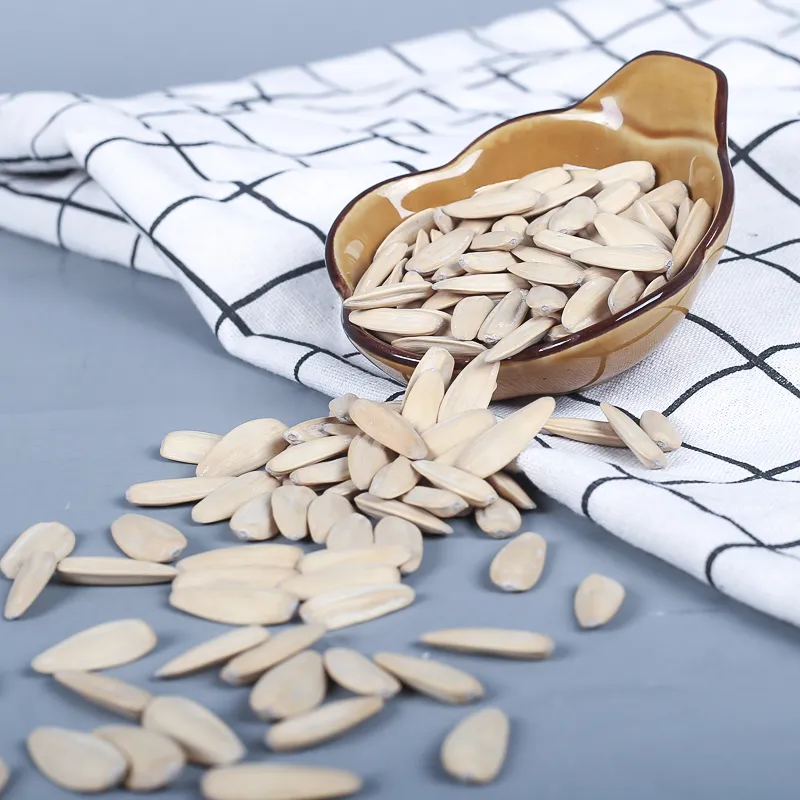
High quality muskmelon seed price represents a critical component within the agricultural supply chain, extending from seed breeders and producers to commercial growers and, ultimately, consumers. The price is not merely a transactional figure but a complex reflection of genetic purity, germination rates, disease resistance, yield potential, and adherence to rigorous quality control standards. This technical guide will delve into the material science of seed viability, the manufacturing processes employed in seed production, the performance characteristics crucial for successful cultivation, potential failure modes, and relevant industry standards. Fluctuations in price are driven by factors including weather patterns impacting harvests, demand for specific cultivars, advancements in seed technology (such as hybrid vigor and disease resistance), and global market dynamics. Understanding these factors is paramount for informed procurement decisions in the agricultural sector.
Material Science & Manufacturing
Muskmelon seeds, fundamentally, are biological structures comprised of an embryo, endosperm (nutrient reserve), and seed coat (testa). The embryo contains the genetic blueprint for the plant. Seed coat composition is crucial; it’s primarily cellulose, hemicellulose, and lignin, providing physical protection against mechanical damage, pathogens, and premature germination. The endosperm is rich in starches, proteins, and lipids, providing energy for germination and seedling development. Manufacturing begins with controlled pollination to ensure genetic purity and maximize hybrid vigor in the F1 generation. Seed extraction involves threshing and cleaning processes, employing sieves and air separation to remove debris. Seed drying is critical, typically achieved using controlled-temperature, low-humidity environments to reduce moisture content to approximately 7-8%. This prevents fungal growth and extends seed longevity. Seed treatment, including fungicide and insecticide application, is often employed to protect against soilborne diseases and pests. Quality control involves germination testing (measuring the percentage of seeds that sprout under controlled conditions), purity analysis (assessing the presence of weed seeds or other crop seeds), and tetrazolium testing (evaluating seed viability based on metabolic activity). Parameter control throughout the process – temperature, humidity, seed moisture content, and treatment application rates – is vital for maintaining seed quality and achieving consistent germination rates.
Performance & Engineering
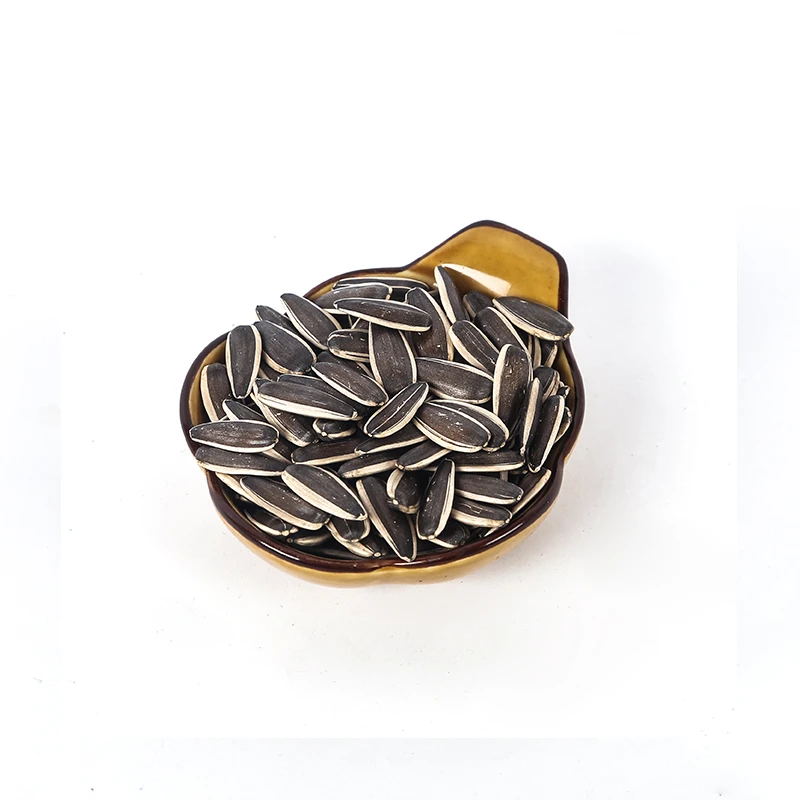
Performance is primarily assessed by germination rate, seedling vigor, and subsequent fruit yield and quality. Germination rate is a function of seed viability and environmental conditions (temperature, moisture, oxygen availability). Seedling vigor, characterized by root and shoot growth rate, is indicative of the seed's nutritional reserves and the embryo's ability to efficiently utilize them. Engineering considerations extend to seed packaging, which must provide a moisture barrier and protect against physical damage during storage and transportation. Environmental resistance encompasses tolerance to temperature fluctuations, drought stress, and disease pressure. Cultivars bred for specific regional climates exhibit enhanced performance under those conditions. Compliance requirements include adherence to phytosanitary regulations to prevent the spread of plant diseases and pests. Seed certification programs (managed by governmental or independent organizations) ensure that seeds meet specific standards for genetic purity, germination rate, and freedom from prohibited weed seeds. Force analysis is less relevant to the seed itself, but crucial in machinery used for processing, where impacts and shear forces must be minimized to avoid seed damage. Understanding the osmotic potential of the seed and its interaction with soil moisture is critical for optimizing germination and reducing stress on the developing seedling.
Technical Specifications
| Germination Rate (%) | Purity (%) | Moisture Content (%) | Disease Resistance (Fusarium/PM) |
|---|---|---|---|
| ≥ 85 | ≥ 98 | ≤ 8 | High/Medium |
| ≥ 90 | ≥ 99 | ≤ 7 | High/High |
| ≥ 80 | ≥ 97 | ≤ 9 | Medium/Medium |
| ≥ 88 | ≥ 98.5 | ≤ 7.5 | High/Medium |
| ≥ 92 | ≥ 99.2 | ≤ 6.5 | High/High |
| ≥ 75 | ≥ 96 | ≤ 10 | Low/Low |
Failure Mode & Maintenance
Failure modes in muskmelon seed relate primarily to loss of viability. This can occur due to several factors: physiological deterioration (aging of the embryo), mechanical damage (cracking or chipping of the seed coat), fungal infection (leading to seed rot), insect damage (feeding on the embryo), and improper storage conditions (high temperature or humidity). Fatigue cracking of the seed coat can occur during processing or handling. Delamination of the seed coat can reduce water uptake and hinder germination. Degradation of the endosperm reduces the energy available for germination. Oxidation of lipids within the endosperm leads to rancidity and loss of viability. Maintenance involves proper seed storage in cool, dry conditions (ideally 4-10°C and ≤ 50% relative humidity). Regular monitoring of seed moisture content is essential. Preventive treatments with fungicides and insecticides can minimize fungal and insect damage. Implementing a seed inventory management system ensures that older seeds are used first. For large-scale operations, seed treatments with polymers can enhance moisture retention and protect against environmental stress. Seed lots should be regularly tested for germination rate and viability to identify potential issues before planting.
Industry FAQ
Q: What is the impact of hybrid seed vigor on the final price of muskmelon seeds?
A: Hybrid vigor, or heterosis, results in increased yield, improved disease resistance, and enhanced fruit quality. The development of hybrid seeds requires extensive breeding programs and complex pollination control, significantly increasing production costs. Therefore, hybrid seeds consistently command a higher price than open-pollinated varieties, reflecting the added value they provide to growers.
Q: How does seed treatment with fungicides affect the overall cost and shelf life?
A: Seed treatment with fungicides adds a direct cost per unit of seed, but it significantly reduces the risk of seed-borne diseases and damping-off, leading to improved germination rates and healthier seedlings. This translates to reduced replanting costs and increased yields, potentially offsetting the initial treatment cost. Furthermore, fungicide treatment extends seed shelf life by preventing fungal growth during storage.
Q: What are the implications of varying purity levels for large-scale commercial growers?
A: Lower purity levels mean the presence of weed seeds or seeds from other crop varieties within the seed lot. This leads to increased weed control costs, reduced crop uniformity, and potential yield losses. Commercial growers prioritize high purity levels (≥99%) to minimize these risks and ensure efficient production.
Q: How do international phytosanitary regulations impact the price and availability of muskmelon seeds?
A: Strict phytosanitary regulations implemented by importing countries require seed producers to undergo rigorous testing and certification processes to ensure freedom from regulated pests and diseases. These compliance costs are reflected in the seed price. Regulations can also restrict the import of seeds from certain regions, impacting availability and potentially driving up prices.
Q: What role does seed size play in determining seed price and seedling establishment?
A: While not always a direct price driver, seed size is correlated with seedling vigor. Larger seeds generally contain more stored energy, resulting in stronger seedlings with better establishment rates. Seed size can be a selection criterion during breeding programs, and consistent seed size within a lot is a quality indicator. However, seed size alone is not a definitive measure of seed quality; germination rate and purity are more critical factors.
Conclusion
The price of high quality muskmelon seeds is a multifaceted metric dictated by a confluence of biological, chemical, and logistical factors. From the fundamental material science of seed composition and viability to the intricate manufacturing processes and stringent quality control measures, each step influences the final cost. Understanding these underlying principles is crucial for procurement managers and agricultural engineers alike, enabling informed decision-making and maximizing return on investment.
Future advancements in seed technology, including genetic engineering for enhanced disease resistance and improved nutritional content, will likely continue to drive up the price of premium muskmelon seeds. Furthermore, the increasing emphasis on sustainable agriculture and organic farming practices may create demand for certified organic seeds, which typically command a higher price due to the more stringent production requirements. Maintaining a thorough understanding of these evolving trends is essential for navigating the complex landscape of the muskmelon seed market.
