Introduction
High quality multi-flavor sunflower seeds represent a sophisticated segment within the broader snack food industry. Positioned as a convenient and nutritious offering, these seeds occupy a critical space between simple agricultural commodities and value-added consumer products. Their technical position in the supply chain involves rigorous seed selection, advanced flavoring processes, and precise packaging to maintain quality and extend shelf life. Core performance characteristics focus on palatability, including flavor profile consistency, seed size uniformity, and a desirable ‘shell-to-kernel’ ratio. Ensuring a consistently high-quality product necessitates tight control over sourcing, processing parameters, and adherence to food safety regulations. The increasing consumer demand for healthier snack alternatives drives innovation in flavor development and processing techniques, moving beyond traditional salted options to encompass a wide range of complex seasoning blends.
Material Science & Manufacturing
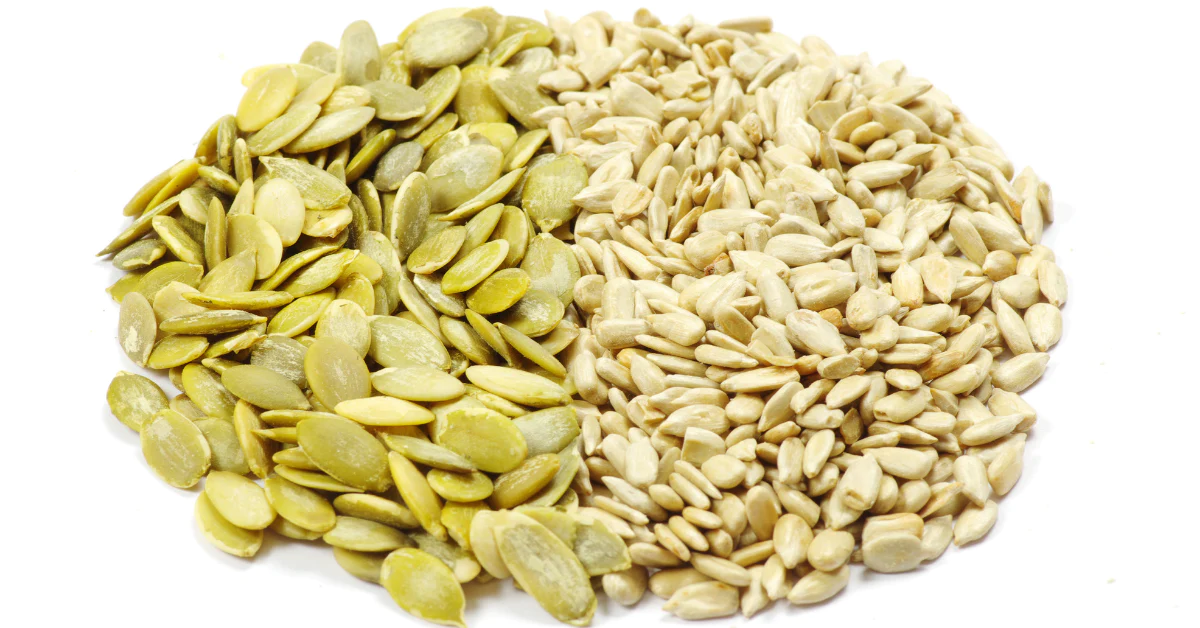
The foundation of high-quality multi-flavor sunflower seeds lies in the raw material – the Helianthus annuus seed itself. Kernel oil content, typically ranging from 42-58% depending on the cultivar, is a primary determinant of flavor adhesion and overall mouthfeel. The seed coat, or hull, composition – primarily cellulose and lignin – impacts shelling ease and texture. Manufacturing begins with seed cleaning, employing a combination of screening, aspiration, and gravity separation to remove foreign material. Subsequently, seeds undergo de-hulling, a mechanical process optimized to minimize kernel damage. Flavoring is typically achieved through a tumbling process where seeds are coated with a precise mixture of dry seasoning compounds. Key parameters include tumbler speed, coating solution viscosity (formulated using vegetable oils and binding agents like maltodextrin), and coating duration. Temperature control during flavoring is crucial; excessive heat can induce lipid oxidation, leading to rancidity. Finally, the flavored seeds are dried using controlled-atmosphere dryers to reduce moisture content to a target of 2-4%, inhibiting microbial growth and maintaining crispness. The chemical compatibility of flavoring agents with the seed oil is vital; antioxidants (e.g., tocopherols, BHA/BHT within regulatory limits) are frequently added to enhance oxidative stability.
Performance & Engineering
Performance assessment of multi-flavor sunflower seeds involves a multi-faceted engineering approach. Shelling force analysis is critical, quantifying the energy required to remove the hull, directly impacting consumer convenience. This is measured using a texture analyzer employing a three-point bend test. Flavor adhesion strength is assessed using a shear test, determining the force needed to remove the seasoning coating. Environmental resistance is paramount, particularly concerning moisture uptake and oxygen permeability, which accelerate rancidity. Water Activity (Aw) measurements, ideally below 0.6, are essential for predicting shelf stability. Packaging materials (typically multi-layer films comprising polyethylene, polypropylene, and aluminum foil) must exhibit low OTR (Oxygen Transmission Rate) and WVTR (Water Vapor Transmission Rate) values. Compliance requirements include adherence to food safety standards like HACCP (Hazard Analysis and Critical Control Points) and regulations pertaining to permitted flavoring additives. Particle size distribution of the seasoning blend impacts coating uniformity and dusting potential, requiring precise sieve analysis and control during mixing. Furthermore, the impact resistance of the seed during handling and transportation must be considered to minimize kernel breakage.
Technical Specifications
| Parameter | Unit | Specification | Test Method |
|---|---|---|---|
| Oil Content | % (Dry Weight Basis) | 48-54 | Soxhlet Extraction (AOCS Official Method) |
| Moisture Content | % | 2.0-4.0 | Oven Drying Method (AACC International) |
| Shelling Rate | % | >90 | Mechanical Shelling & Visual Inspection |
| Flavor Adhesion Strength | N | >0.5 | Shear Peel Test (ASTM D3359) |
| Water Activity (Aw) | - | <0.6 | Water Activity Meter (AACC International) |
| Peroxide Value (PV) | meq O2/kg | <5.0 | Titrimetric Method (AOCS Official Method) |
Failure Mode & Maintenance
Failure modes in multi-flavor sunflower seeds predominantly stem from lipid oxidation (rancidity), leading to off-flavors and reduced palatability. This is exacerbated by exposure to oxygen, light, and elevated temperatures. Kernel cracking during processing or handling represents another failure point, reducing aesthetic appeal and increasing dusting. Flavor coating delamination can occur due to inadequate adhesion or moisture ingress, resulting in uneven flavor distribution. Microbial spoilage, though less common due to low Aw, can occur if packaging integrity is compromised. Maintenance strategies focus on preventative measures: maintaining strict temperature and humidity control throughout processing and storage; utilizing oxygen-barrier packaging materials; incorporating antioxidants into the flavoring blend; and implementing robust quality control checks for shell integrity and coating adhesion. Regular monitoring of peroxide value (PV) provides an early indication of lipid oxidation. Furthermore, proper stock rotation (FIFO – First In, First Out) is crucial to minimize storage duration and potential degradation. Rejecting batches with high levels of cracked kernels or coating defects is essential to maintain product quality standards.
Industry FAQ
Q: What is the optimal oil content range for maximizing flavor adhesion without compromising texture?
A: An oil content between 48-54% (dry weight basis) typically represents the sweet spot. Below 48%, flavor adhesion becomes problematic due to insufficient oil to bind the seasoning. Above 54%, the seeds can feel overly oily and less crisp, detracting from the desired textural experience.
Q: How do you control the variability of flavoring application across batches?
A: Precise control over tumbler speed, coating solution viscosity, and coating duration are critical. We employ automated dispensing systems for flavoring ingredients and conduct regular calibration checks on weighing scales and mixing equipment. Statistical Process Control (SPC) charts are used to monitor flavor coating weight and ensure consistency.
Q: What packaging materials offer the best barrier properties for preventing rancidity?
A: Multi-layer films comprising polyethylene (PE), polypropylene (PP), and a layer of aluminum foil provide superior barrier properties against oxygen and moisture. The aluminum foil acts as a primary barrier, while the PE and PP layers contribute to seal strength and mechanical robustness. Modified atmosphere packaging (MAP) with nitrogen flushing further reduces oxygen levels.
Q: How are you ensuring compliance with global food safety regulations regarding flavoring additives?
A: We maintain a comprehensive database of permitted flavoring additives for each target market (US FDA, EU EFSA, etc.). All flavoring ingredients are sourced from approved suppliers with documented certifications (e.g., FSSC 22000, BRC). Regular testing for contaminants and adherence to maximum residue limits (MRLs) are performed by independent, accredited laboratories.
Q: What are the critical control points in your manufacturing process to minimize the risk of aflatoxin contamination?
A: Aflatoxin control begins with sourcing seeds from regions with low aflatoxin prevalence and conducting thorough pre-processing testing. Seed cleaning processes are optimized to remove potentially contaminated kernels. Strict adherence to Good Manufacturing Practices (GMP) and regular monitoring of storage facilities for temperature and humidity are also crucial. Regular testing of finished products ensures compliance with regulatory limits.
Conclusion
The production of high-quality multi-flavor sunflower seeds necessitates a rigorous understanding of material science, precise process control, and unwavering adherence to food safety standards. Optimizing kernel oil content, controlling flavoring adhesion, and utilizing appropriate packaging materials are critical for achieving desired palatability and extending shelf life.
Future advancements will likely focus on developing novel flavoring technologies, utilizing sustainable packaging materials, and implementing real-time monitoring systems for predicting and preventing lipid oxidation. Continued research into seed genetics to enhance oil content and improve shellability will also contribute to further product improvements and maintain a competitive edge in the snack food market.
