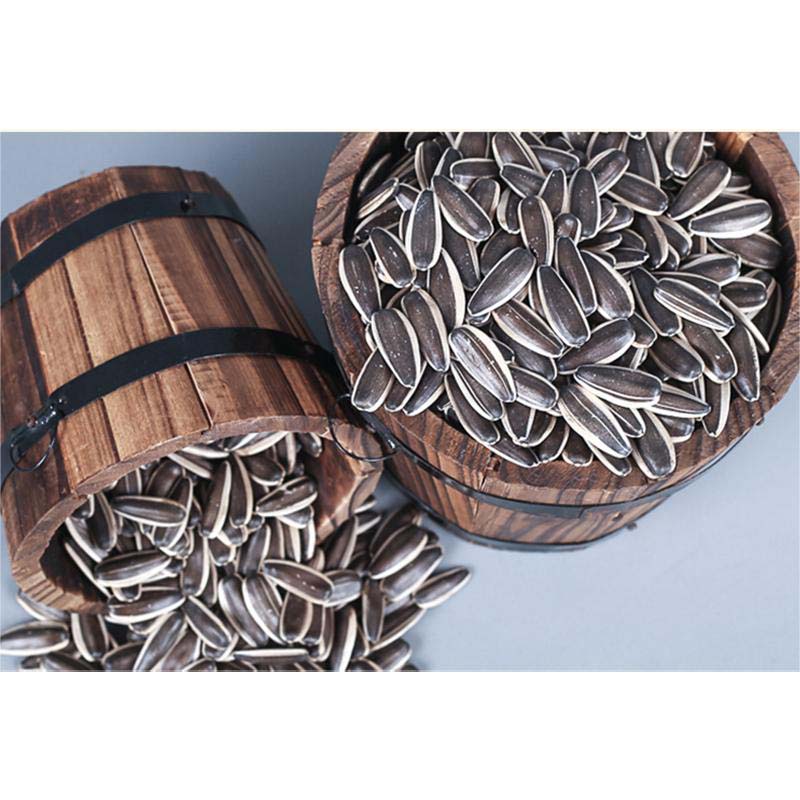
Introduction
High quality mixed melon seeds represent a significant segment within the processed agricultural food industry, positioned between primary crop production and consumer packaged goods. This technical guide details the critical factors affecting seed quality, encompassing botanical origins, processing techniques, and resulting performance characteristics. Mixed melon seed formulations – typically encompassing watermelon, cantaloupe, and honeydew varieties – are valued for their nutritional profile (high in unsaturated fats, protein, and essential minerals) and palatability. Core performance indicators center around germination rate (for seeds intended for planting, a diminishing but relevant application), kernel fullness, freedom from defects, and retention of flavor compounds during processing and storage. This guide focuses on seeds destined for direct consumption, addressing industrial scale processing and quality control parameters vital for maintaining consumer acceptance and commercial viability. The primary pain points in the industry revolve around ensuring consistent seed quality, minimizing aflatoxin contamination, and extending shelf-life while preserving taste and texture.
Material Science & Manufacturing
The raw material consists primarily of the seeds sourced from mature melon fruits. Watermelon (Citrullus lanatus), cantaloupe (Cucumis melo cantalupensis), and honeydew (Cucumis melo inodorus) seeds exhibit distinct physical and chemical properties. Watermelon seeds are typically larger and darker, possessing a higher oil content (~50-55%) and a thicker seed coat composed largely of cellulose and lignin. Cantaloupe seeds are smaller, with a lighter color, and a slightly lower oil content (~40-45%). Honeydew seeds fall within a similar range to cantaloupe. Manufacturing begins with seed extraction from the fruit pulp, followed by washing and drying. Drying is a critical parameter: conventional sun drying, while cost-effective, introduces risk of microbial contamination and uneven moisture content. Industrial-scale drying employs controlled temperature fluidized bed dryers, maintaining temperatures below 60°C to prevent lipid oxidation and protein denaturation. Following drying, seeds undergo sizing and grading based on dimensions and density. Defective seeds (immature, damaged, insect-infested) are removed via optical sorting and density separation. A crucial step is the dehulling process, where the seed coat is removed, enhancing palatability and digestibility. Mechanical dehulling utilizes abrasive surfaces, requiring precise control of pressure and abrasion rate to minimize kernel damage. Finally, seeds are typically roasted to develop flavor and reduce moisture content further, often employing hot air roasting or vacuum roasting techniques. Roasting temperature and duration directly impact acrylamide formation, a key safety concern.

Performance & Engineering
Performance assessment hinges on several key engineering principles. The primary failure mode during processing and storage is lipid oxidation, leading to rancidity and off-flavors. This is quantified by measuring peroxide value (PV) and p-anisidine value (AV). Lower PV and AV values indicate better oxidative stability. Packaging plays a crucial role in mitigating oxidation; vacuum packaging or modified atmosphere packaging (MAP) with nitrogen flushing significantly extends shelf-life. Mechanical strength of the seed kernel is important to resist cracking during handling and consumption. This is determined through compression testing, measuring the force required to fracture the kernel. Moisture content is a critical control parameter, as it influences both microbial growth and lipid oxidation rates. Target moisture content is typically < 3% for long-term storage. Environmental resistance considerations include temperature and humidity control during storage to prevent moisture absorption and fungal growth. Aflatoxin contamination, a severe food safety hazard, is monitored through regular HPLC analysis, with regulatory limits varying by country. Compliance requirements include adherence to food safety standards such as HACCP (Hazard Analysis and Critical Control Points) and GMP (Good Manufacturing Practices). The design of roasting equipment must account for heat transfer rates and airflow patterns to ensure uniform roasting and minimize acrylamide formation. Force analysis of dehulling machinery dictates optimal pressure settings to maximize hull removal while minimizing kernel breakage.
Technical Specifications
| Parameter | Watermelon Seeds | Cantaloupe Seeds | Honeydew Seeds | Specification (Mixed Seed Blend) |
|---|---|---|---|---|
| Oil Content (%) | 50-55 | 40-45 | 42-47 | 45-50 |
| Moisture Content (%) | < 3 | < 3 | < 3 | < 3 |
| Kernel Fullness (%) | >90 | >85 | >88 | >87 |
| Aflatoxin Level (ppb) | < 5 | < 5 | < 5 | < 5 |
| Peroxide Value (meq O2/kg) | < 2 | < 3 | < 2.5 | < 2.5 |
| Compression Strength (N) | > 50 | > 40 | > 45 | > 42 |
Failure Mode & Maintenance
Failure modes in high quality mixed melon seeds predominantly relate to quality degradation during storage and processing. Lipid oxidation is a primary concern, manifesting as rancidity and off-flavors. This is accelerated by exposure to oxygen, light, and elevated temperatures. Kernel cracking during dehulling or roasting is another common failure, reducing marketable yield. Microbial contamination, particularly by molds producing aflatoxins, poses a significant food safety risk. Seed coat damage during handling can provide entry points for pathogens. Moisture absorption during storage can lead to clumping and promote microbial growth. Preventative maintenance of processing equipment is critical. Regular cleaning and lubrication of dehulling machinery minimizes kernel damage. Calibration of roasting equipment ensures uniform heating and reduces acrylamide formation. Storage facilities should be maintained at low temperature and humidity, with adequate ventilation. Regular monitoring of aflatoxin levels is essential. Implementing a robust quality control program, including raw material inspection, in-process monitoring, and finished product testing, is vital. Proper packaging, utilizing moisture barriers and oxygen scavengers, significantly extends shelf-life. A robust traceability system allows for quick identification and recall of potentially contaminated batches. Regular inspection for insect infestation and pest control measures are necessary.
Industry FAQ
Q: What is the optimal moisture content for long-term storage of mixed melon seeds, and how is it accurately measured?
A: The optimal moisture content for long-term storage is consistently below 3%. Accurate measurement is typically achieved using a calibrated moisture analyzer employing the Karl Fischer titration method. This technique measures the water content directly, providing a precise and reliable result. Alternative methods, such as oven drying, are less accurate due to potential for lipid degradation and variations in drying rates.
Q: How do you effectively mitigate the risk of aflatoxin contamination throughout the processing chain?
A: Aflatoxin mitigation requires a multi-faceted approach. Starting with sourcing seeds from regions with low aflatoxin prevalence is crucial. Implementing rigorous cleaning and sorting procedures to remove visibly moldy or damaged seeds is essential. Maintaining good sanitation practices throughout the facility, including regular cleaning and disinfection, minimizes fungal growth. Controlling moisture content during drying and storage is vital. Regular aflatoxin testing using HPLC is mandatory, and any batch exceeding regulatory limits must be rejected. Proper storage conditions – low temperature and humidity – further reduce the risk.
Q: What is the significance of peroxide value and p-anisidine value in assessing the quality of melon seeds?
A: Peroxide value (PV) and p-anisidine value (AV) are key indicators of lipid oxidation. PV measures the concentration of primary oxidation products (hydroperoxides), while AV measures secondary oxidation products (aldehydes and ketones). Higher values indicate greater oxidation and a decline in quality, leading to rancidity and off-flavors. Regular monitoring of PV and AV during storage provides valuable insight into shelf-life and oxidative stability.
Q: What are the key parameters to control during the roasting process to minimize acrylamide formation?
A: Acrylamide formation during roasting is influenced by several factors. Controlling roasting temperature is paramount, aiming for the lowest temperature possible to achieve desired flavor development. Roasting time should be minimized. Maintaining low moisture content prior to roasting reduces acrylamide precursors. Using vacuum roasting can further reduce acrylamide formation by lowering oxygen levels. Optimizing airflow patterns within the roaster ensures uniform heating.
Q: What packaging materials and techniques are most effective for extending the shelf-life of mixed melon seeds?
A: Effective packaging utilizes materials with low oxygen and moisture permeability. Multi-layer films incorporating aluminum foil or metallized polyester provide excellent barrier properties. Vacuum packaging removes oxygen, significantly slowing oxidation. Modified atmosphere packaging (MAP) with nitrogen flushing replaces oxygen with an inert gas. Adding oxygen absorbers within the package further minimizes oxygen exposure. Proper sealing is crucial to maintain package integrity and prevent moisture ingress.
Conclusion
The production of high quality mixed melon seeds requires a comprehensive understanding of botanical characteristics, material science principles, and rigorous process control. Maintaining optimal moisture content, mitigating aflatoxin contamination, and minimizing lipid oxidation are paramount to ensuring product safety, quality, and shelf-life. Implementing a robust quality control program, encompassing raw material sourcing, in-process monitoring, and finished product testing, is essential for consistently meeting consumer expectations and regulatory requirements.
Future advancements may focus on developing novel dehulling techniques to minimize kernel damage, utilizing advanced packaging materials with enhanced barrier properties, and exploring non-thermal processing methods to further reduce acrylamide formation. Continued research into seed genetics and agronomic practices to improve seed quality and aflatoxin resistance will also be critical for sustaining the long-term viability of the industry.
