Introduction
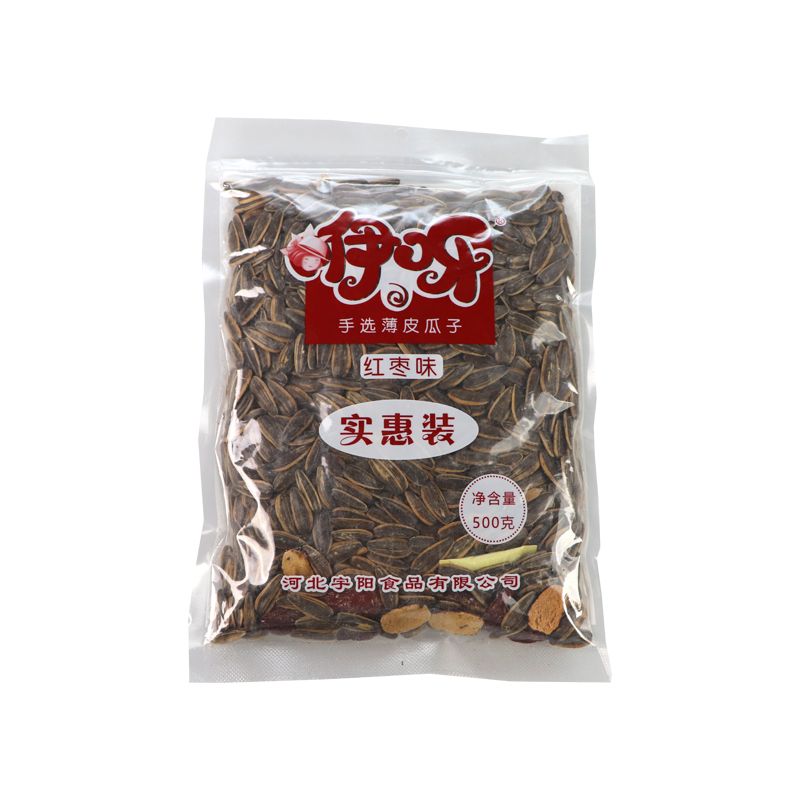
High quality milky flavor sunflower seeds represent a significant segment within the processed seed market, distinguished by their palatability and targeted consumer base. These seeds undergo a specialized processing sequence involving roasting, flavoring, and often coating, differing markedly from traditional oil-type or confectionary sunflower seed production. The technical position within the food supply chain is characterized by a focus on consistent flavor profiles, optimized moisture content for extended shelf life, and rigorous quality control to mitigate potential mycotoxin contamination. Core performance characteristics center around flavor intensity, textural attributes (crunchiness, absence of hull fragments), and nutritional profile, specifically the balance of fats, proteins, and carbohydrates. The growing demand for healthier snack options and convenience foods drives innovation in flavoring technologies and packaging strategies within this industry.
Material Science & Manufacturing
The foundational raw material is typically high-oleic sunflower seed varieties, selected for their superior oil stability and extended shelf life. The oil composition, specifically the linoleic to oleic acid ratio, dictates the susceptibility to rancidity. Raw seeds undergo cleaning and grading based on size and density, removing foreign material and damaged kernels. The core manufacturing process comprises several stages: dehulling (mechanical or enzymatic), roasting (controlled temperature and time to develop flavor), flavoring application (typically a dry blend or slurry containing milk solids, sugar, and flavor enhancers), and coating (optional, utilizing a thin film of sugar, salt, or other ingredients for texture and taste). Key parameter control during roasting is critical; temperature (140-170°C) and duration (20-40 minutes) influence Maillard reaction product formation, directly impacting flavor development. Flavor application relies on adhesion properties of the coating, influenced by seed surface moisture and viscosity of the flavoring agent. The use of food-grade silica dioxide or other anti-caking agents is common to prevent clumping during storage. Chemical compatibility between flavoring ingredients and the seed oil is paramount to prevent off-flavor development due to lipid oxidation.
Performance & Engineering
Performance assessment centers around several key engineering aspects. Firstly, the seed’s structural integrity post-processing is critical. The application of force during handling and packaging must not result in excessive breakage or shell fragments. This is assessed through a fragility test, measuring the force required to fracture a representative sample of seeds. Secondly, moisture content control (typically 8-12%) is vital for inhibiting microbial growth and maintaining textural properties. Water activity (aw) is a more precise metric, aiming for a value below 0.6. Environmental resistance is primarily concerned with preventing oxidative degradation of the oil. Packaging materials with low oxygen transmission rates (OTR) are therefore essential. Compliance requirements include adherence to food safety regulations (e.g., FDA in the US, EFSA in Europe) regarding permissible levels of heavy metals, mycotoxins (aflatoxins, ochratoxins), and pesticide residues. Furthermore, packaging must conform to regulations concerning food contact materials. Flavor retention during storage is evaluated through sensory panels and gas chromatography-mass spectrometry (GC-MS) analysis of volatile flavor compounds.
Technical Specifications
| Parameter | Unit | Specification | Test Method |
|---|---|---|---|
| Moisture Content | % | 8.0 - 12.0 | AOAC 925.10 |
| Oil Content | % | 45.0 - 55.0 | Soxhlet Extraction (AOAC 920.39) |
| Broken Kernel Rate | % | < 5.0 | Visual Inspection & Sieve Analysis |
| Hull Content | % | < 2.0 | Density Gradient Separation |
| Aflatoxin B1 | ppb | < 20 | HPLC-Fluorescence |
| Peroxide Value (PV) | meq O2/kg | < 5.0 | Titration (AOCS Cd 8-53) |
Failure Mode & Maintenance
Failure modes in milky flavor sunflower seeds primarily stem from lipid oxidation, leading to rancidity and off-flavor development. This is exacerbated by exposure to oxygen, light, and elevated temperatures. Another common failure mode is moisture absorption, causing clumping, textural changes, and increased susceptibility to microbial growth. Physical damage during handling can lead to breakage and fines generation. Coating delamination can occur if adhesion is poor due to improper application or incompatibility between coating and seed surface. Failure analysis often involves GC-MS analysis to identify volatile oxidation products, assessment of peroxide value, and microscopic examination of seed surface to detect coating defects. Maintenance, in this context, refers to optimal storage conditions. Seeds should be stored in airtight containers, protected from light, and maintained at cool temperatures (below 25°C). Regular monitoring of moisture content and peroxide value is recommended to detect early signs of degradation. Proper stock rotation (FIFO – First In, First Out) minimizes the risk of prolonged storage and subsequent quality decline. Packaging integrity must also be periodically inspected to ensure barrier properties remain effective.
Industry FAQ
Q: What are the key factors impacting the shelf life of milky flavor sunflower seeds?
A: The primary factors are moisture content, oil oxidation, and packaging permeability. High moisture content promotes microbial growth and textural degradation. Lipid oxidation leads to rancidity and off-flavors. Packaging with insufficient barrier properties allows oxygen ingress, accelerating oxidation. Maintaining low moisture, using antioxidants in the coating, and employing packaging with low OTR and moisture vapor transmission rate (MVTR) are crucial for maximizing shelf life.
Q: How do you control aflatoxin levels in sunflower seeds?
A: Aflatoxin control begins with sourcing seeds from regions with low aflatoxin prevalence and implementing rigorous supplier qualification procedures. Pre-harvest monitoring of sunflower fields for fungal infections is important. During processing, effective cleaning and grading remove contaminated kernels. Some processors employ physical sorting technologies (e.g., optical sorters) to detect and remove aflatoxin-contaminated seeds. Regular testing using HPLC-Fluorescence is essential to verify compliance with regulatory limits.
Q: What is the optimal roasting profile for achieving a desirable milky flavor?
A: The optimal roasting profile involves a carefully controlled temperature ramp-up (typically starting at 140°C) and dwell time (20-40 minutes). The Maillard reaction, driven by the interaction between reducing sugars and amino acids, is crucial for flavor development. Over-roasting can lead to burnt flavors, while under-roasting results in insufficient flavor development. Precise control of roasting temperature and air velocity is essential. Real-time monitoring of seed temperature using thermocouples is recommended.
Q: What types of coating materials are commonly used and what are their functional benefits?
A: Common coating materials include sugar, salt, and modified food starches. Sugar provides sweetness and textural crunch. Salt enhances flavor and acts as a preservative. Modified food starches improve coating adhesion and provide a smoother texture. Some coatings incorporate antioxidants (e.g., BHA, BHT) to inhibit lipid oxidation. The choice of coating material depends on the desired flavor profile, texture, and shelf life requirements.
Q: How does the oil content of the sunflower seed affect the flavor and texture of the final product?
A: Higher oil content generally contributes to a richer flavor and a more tender texture. However, higher oil content also increases susceptibility to rancidity. The type of oil (high-oleic vs. linoleic) is equally important. High-oleic sunflower oil is more stable and resistant to oxidation. The roasting process influences oil migration within the seed, impacting both flavor release and textural characteristics.
Conclusion
The production of high quality milky flavor sunflower seeds necessitates a comprehensive understanding of material science, manufacturing processes, and quality control parameters. Maintaining optimal moisture content, preventing lipid oxidation, and adhering to stringent food safety regulations are paramount to delivering a consistently high-quality product. Effective packaging solutions, coupled with robust storage practices, play a vital role in extending shelf life and preserving flavor integrity.
Future innovation in this sector will likely focus on developing novel flavoring technologies, enhancing coating adhesion, and utilizing sustainable packaging materials. Continued research into the optimization of roasting profiles and the identification of natural antioxidants will further contribute to improving product quality and extending shelf life. Addressing consumer demand for healthier snack options may drive the development of reduced-sodium or low-sugar formulations.
