Introduction
High quality melon seeds represent a critical component in the agricultural supply chain, serving as the foundational material for commercial melon production and direct consumer consumption. This guide details the technical aspects governing their quality, from varietal genetics and seed physiology to post-harvest handling and storage protocols. Unlike commodity seed markets, the 'high quality' designation necessitates stringent control over germination rates, genetic purity, disease resistance, and nutritional composition. These seeds are not merely a biological propagation element; they are a performance input impacting yield, fruit quality, and overall economic viability for growers. The industry faces persistent challenges related to maintaining seed vigor during storage, preventing pathogen transmission, and ensuring traceability to meet increasing consumer demand for sustainably sourced products. This document will provide a comprehensive technical overview addressing these concerns.
Material Science & Manufacturing
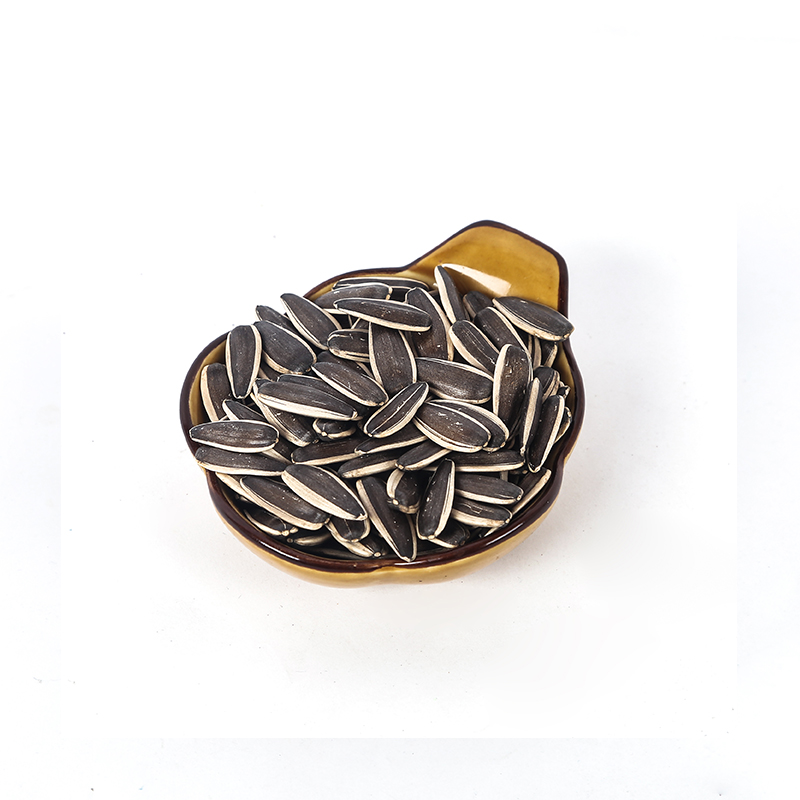
The foundation of high quality melon seeds lies in the biological and physical properties of the seed itself. The seed coat, or testa, is composed primarily of cellulose and lignin, providing a protective barrier against mechanical damage and pathogen entry. Its thickness and structural integrity directly correlate with seed longevity. Endosperm tissue, rich in starch, proteins, and lipids, provides the energy source for germination and seedling development. The embryo, containing the genetic blueprint of the plant, requires optimal moisture levels and temperature to initiate growth. Manufacturing, in this context, refers to the complex processes of hybrid seed production, harvesting, drying, cleaning, and treatment. Hybrid vigor, achieved through controlled pollination of genetically distinct parent lines, is crucial for maximizing yield and disease resistance. Drying is typically conducted to a moisture content of 7-9% using controlled airflow systems. Seed cleaning removes debris, broken seeds, and other contaminants. Seed treatment, utilizing fungicides and insecticides, offers protection against seed-borne diseases and early-season pest infestations. Parameter control is vital: Temperature during drying must be carefully monitored to prevent protein denaturation; seed impact during cleaning must be minimized to avoid mechanical damage; and treatment dosages must adhere to regulatory guidelines to ensure food safety. The genetic material, primarily DNA and RNA, undergoes constant assessment to verify purity and absence of genetically modified organisms (GMOs) depending on regional regulations.
Performance & Engineering
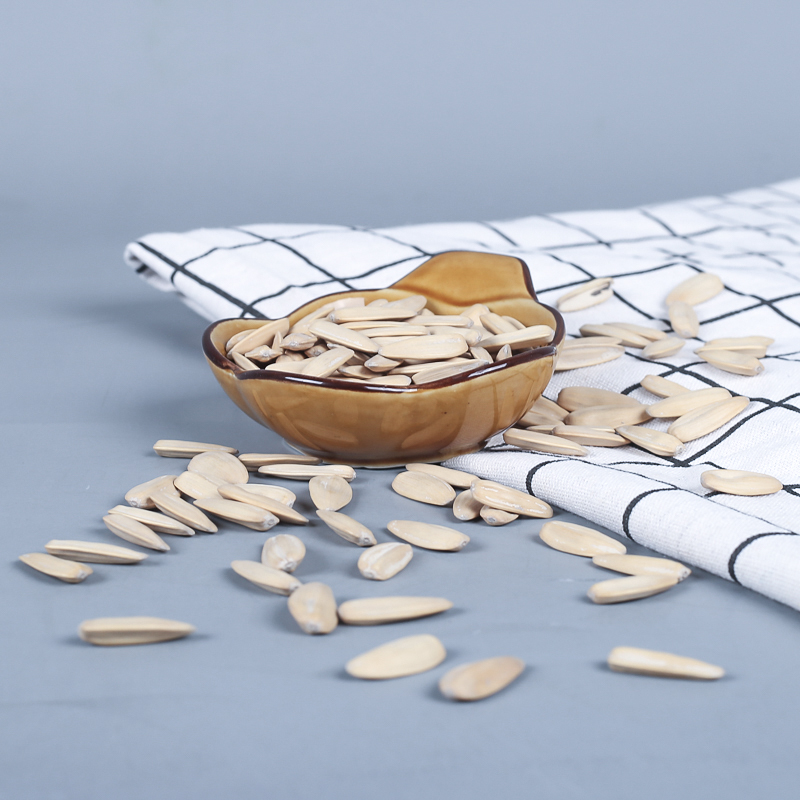
Seed performance is dictated by a complex interplay of physiological and biochemical factors. Germination rate, typically expressed as a percentage, is a primary indicator of seed viability and is assessed under controlled laboratory conditions (temperature, light, moisture). Germination energy, the speed at which seeds germinate, is equally important for establishing uniform stands in the field. Seedling vigor, the robustness of young plants, is influenced by the nutrient reserves within the seed and the efficiency of nutrient mobilization during germination. Environmental resistance encompasses tolerance to temperature extremes, drought stress, and salinity. These traits are largely determined by the genetic makeup of the seed and are often enhanced through selective breeding programs. Engineering considerations extend to packaging materials designed to maintain seed moisture content and prevent degradation during storage. Breathable films are commonly employed to regulate gas exchange while protecting against humidity. Furthermore, traceability systems, utilizing barcode or RFID technology, are crucial for tracking seed provenance and ensuring quality control throughout the supply chain. Force analysis related to seed handling focuses on minimizing mechanical stress during planting and processing. Optimized seed shape and size distribution facilitate efficient metering and placement in planting equipment.
Technical Specifications
| Parameter | Unit | Specification | Test Method |
|---|---|---|---|
| Germination Rate | % | ≥ 85 | ISTA Procedure |
| Moisture Content | % | 7.0 – 9.0 | Oven Drying Method |
| Genetic Purity | % | ≥ 98 | Molecular Marker Analysis |
| Seed Size (Length) | mm | 8 - 12 | Digital Caliper |
| 1000-Seed Weight | g | 150 – 200 | Analytical Balance |
| Disease Incidence (Fusarium/Alternaria) | % | ≤ 1 | Agar Plate Assay |
Failure Mode & Maintenance
Failure modes in high quality melon seeds encompass a range of issues impacting germination and seedling establishment. Mechanical damage during harvesting, processing, or handling can compromise seed viability. Improper drying can lead to physiological deterioration, reducing germination rate and vigor. Pathogen infection, particularly by fungal species like Fusarium and Alternaria, can cause seed decay and seedling damping-off. Genetic degradation, resulting from repeated cycles of inbreeding or improper storage, can lead to reduced hybrid vigor. Oxidative stress, induced by exposure to oxygen and elevated temperatures, can damage cellular components and accelerate seed aging. Maintenance strategies center around proper storage conditions: low temperature (4-10°C), low humidity (40-60%), and protection from light. Regular seed testing, including germination assays and pathogen screening, is crucial for monitoring seed quality over time. Implementing strict sanitation protocols throughout the production and processing chain minimizes the risk of pathogen contamination. Seed treatments with appropriate fungicides and insecticides offer prophylactic protection. Long-term storage benefits from vacuum packaging or controlled atmosphere storage to reduce oxygen levels and slow down metabolic processes. Proper stock rotation (FIFO – First In, First Out) ensures that older seed lots are utilized before newer ones.
Industry FAQ
Q: What is the significance of genetic purity in determining seed quality?
A: Genetic purity is paramount because it directly impacts the uniformity and predictability of crop performance. High genetic purity ensures that the offspring will exhibit the desired traits – yield, disease resistance, fruit quality – as intended by the breeder. Lower purity can lead to segregation of traits, resulting in inconsistent yields and reduced market value. Molecular marker analysis is the standard method for verifying genetic purity.
Q: How does seed moisture content affect storage longevity?
A: Seed moisture content is a critical factor. Higher moisture levels accelerate metabolic processes and promote fungal growth, leading to seed deterioration. Maintaining a moisture content of 7-9% significantly slows down these processes and extends storage life. Desiccants are often used in packaging to absorb excess moisture and maintain optimal conditions.
Q: What are the common methods for detecting seed-borne pathogens?
A: Common methods include agar plate assays, ELISA (Enzyme-Linked Immunosorbent Assay), and PCR (Polymerase Chain Reaction). Agar plate assays involve incubating seeds on a nutrient-rich medium to observe fungal growth. ELISA detects the presence of pathogen-specific antigens. PCR amplifies pathogen-specific DNA, providing a highly sensitive detection method.
Q: What role does seed treatment play in preventing early-season crop losses?
A: Seed treatment provides a proactive defense against seed-borne and soil-borne pathogens, as well as early-season insect pests. Fungicides protect seeds from fungal infections, while insecticides control insect damage. This protection is particularly crucial during the vulnerable germination and seedling stages, reducing the need for later foliar applications.
Q: How important is traceability in the high-quality melon seed supply chain?
A: Traceability is increasingly important for verifying seed origin, ensuring quality control, and meeting regulatory requirements. It allows for rapid identification and isolation of affected seed lots in the event of a quality issue or disease outbreak. Barcode or RFID technology is used to track seeds from the breeder to the grower, providing a complete audit trail.
Conclusion
The production and maintenance of high quality melon seeds are complex endeavors demanding meticulous attention to detail throughout the entire process. From foundational material science principles governing seed structure and physiology to the rigorous engineering controls applied during processing and storage, each step influences the final product's performance. Maintaining optimal germination rates, safeguarding genetic purity, and ensuring robust disease resistance are not merely quality benchmarks but critical determinants of economic success for growers.
Future advancements in seed technology will likely focus on enhancing seed vigor through priming techniques, developing more durable seed coatings, and utilizing advanced breeding methods to improve stress tolerance. Continued investment in research and development, coupled with stringent adherence to international quality standards, will be essential for sustaining the availability of high quality melon seeds and ensuring a stable supply of this vital agricultural input.
