Introduction
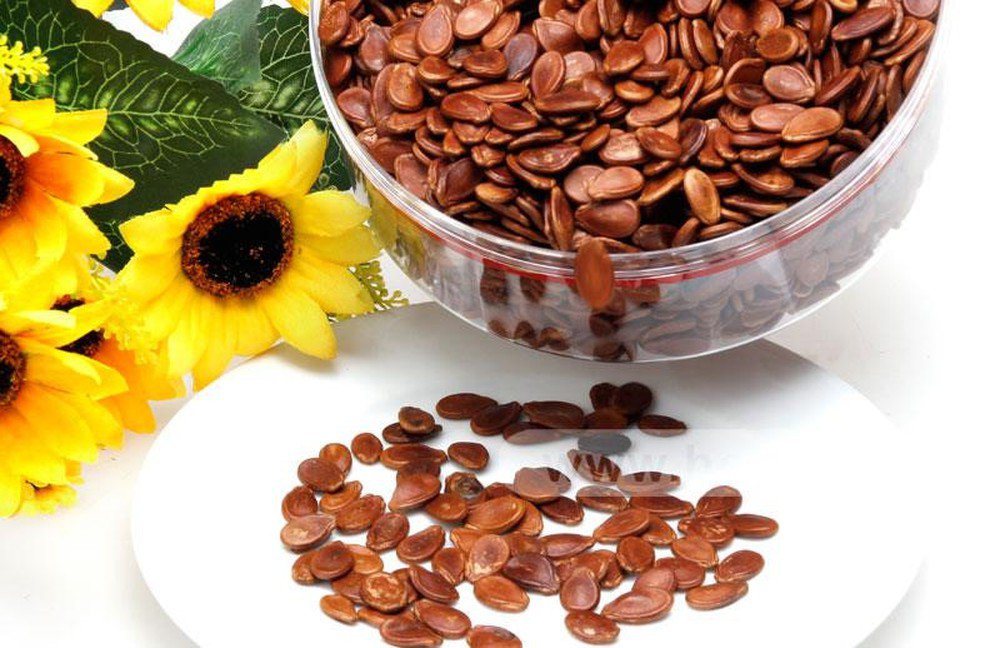
High-quality edible melon seeds represent a significant segment within the snack food industry, particularly in Asian markets. Technically, these seeds – primarily from Cucumis melo varieties – are processed kernels requiring precise agricultural practices, harvesting techniques, and post-harvest handling to achieve optimal eating quality and safety. Their position in the value chain extends from agricultural production, through processing (drying, grading, flavoring), packaging, and ultimately, consumer purchase. Core performance characteristics are defined by kernel size, plumpness, absence of defects, oil content, protein content, and the palatability of flavor profiles imparted during processing. This guide provides a comprehensive technical overview of edible melon seed production and quality assessment, addressing critical aspects for procurement managers, food scientists, and quality control engineers.
Material Science & Manufacturing
The primary material science governing edible melon seed quality centers around the seed’s composition: approximately 40-50% oil, 25-30% protein, 10-15% carbohydrates, and 5-10% moisture content. The oil is predominantly unsaturated fatty acids (linoleic acid being dominant), contributing to its nutritional value and oxidative stability. Protein content dictates the textural characteristics post-roasting, influencing crispness. Manufacturing begins with seed extraction from mature melons. Critical parameters during drying – typically employing hot air or vacuum drying – include temperature control (not exceeding 60°C to prevent lipid oxidation and protein denaturation) and drying rate. Subsequent grading is performed based on size, shape, and the presence of broken or discolored kernels, commonly utilizing sieving and optical sorting technologies. Flavoring involves the application of salt, spices (e.g., chili powder, cumin), and sometimes coatings (e.g., maltodextrin for adhesion). The key parameter during flavoring is uniform coating distribution to ensure consistent taste. Roasting, a final heat treatment, enhances flavor and provides a desirable crisp texture, requiring precise temperature and time control to avoid burning or rancidity. Moisture content must be controlled throughout the process to prevent microbial growth and maintain textural integrity; optimal levels typically range between 3-5%.
Performance & Engineering
Performance characteristics are intrinsically linked to the seed’s physical integrity. Force analysis during shelling demonstrates that mature, high-quality seeds exhibit greater resistance to cracking, indicating a robust kernel structure. Environmental resistance focuses on moisture barrier properties of packaging materials to prevent re-absorption of humidity. Packaging engineering prioritizes materials with low oxygen transmission rates (OTR) to minimize oxidative rancidity of the unsaturated oils. Compliance requirements vary by region but generally adhere to food safety standards, including maximum permissible levels of aflatoxins (produced by Aspergillus molds) and heavy metal contaminants (lead, cadmium). Functional implementation – i.e., the consumer experience – relies on consistent kernel size and shape for easy handling and consumption, uniform roasting to prevent uneven texture, and a palatable flavor profile catering to regional preferences. Furthermore, particle size distribution of applied seasonings is critical for consistent flavor impact. Shelf life stability is a key performance metric, directly affected by packaging integrity, oil oxidation rates, and initial moisture content.
Technical Specifications
| Parameter | Unit | Specification (Grade A) | Testing Method |
|---|---|---|---|
| Kernel Size (Average) | mm | 10-14 | Sieve Analysis (ASTM E11) |
| Moisture Content | % | ≤ 4.0 | Oven Drying Method (AACC Method 30-24) |
| Oil Content | % | ≥ 45.0 | Soxhlet Extraction (AOAC Method 920.39) |
| Protein Content | % | ≥ 27.0 | Kjeldahl Method (AOAC Method 978.05) |
| Broken Kernels | % | ≤ 2.0 | Visual Inspection/Sieving |
| Aflatoxin B1 | ppb | ≤ 5 | HPLC (High-Performance Liquid Chromatography) |
Failure Mode & Maintenance
Failure modes in edible melon seeds primarily relate to quality degradation during storage. Rancidity, caused by oxidation of unsaturated fatty acids, is a common failure mode, manifesting as an off-flavor and odor. This is accelerated by exposure to oxygen, light, and elevated temperatures. Moisture absorption leads to softening of the kernel, loss of crispness, and potential microbial growth (mold). Physical damage during handling and processing results in broken kernels, reducing aesthetic appeal and increasing susceptibility to oxidation. Aflatoxin contamination, while preventable through proper handling of raw materials, represents a significant safety failure mode. Maintenance and preventative measures include storing seeds in airtight, opaque containers at cool temperatures (≤25°C), controlling humidity, employing first-in, first-out (FIFO) inventory management, and implementing rigorous quality control procedures throughout the entire supply chain, including supplier audits and regular testing for aflatoxins and moisture content. Packaging should utilize materials with excellent barrier properties. Regular sensory evaluations are critical for detecting early signs of rancidity or off-flavors.
Industry FAQ
Q: What is the significance of the peroxide value (PV) in assessing melon seed quality?
A: The peroxide value is a primary indicator of lipid oxidation. A higher PV signifies a greater degree of rancidity and indicates that the oil is degrading. It’s a critical parameter for determining shelf life and assessing the effectiveness of antioxidant measures in packaging or processing.
Q: How does the variety of melon influence the oil profile of the resulting seeds?
A: Different melon varieties exhibit variations in fatty acid composition. Some varieties are richer in linoleic acid, while others contain higher levels of oleic acid. This impacts the oil's stability and nutritional profile. Procurement managers should consider variety when sourcing seeds for specific applications.
Q: What role does roasting temperature play in acrylamide formation in melon seeds?
A: Acrylamide, a potential carcinogen, can form during high-temperature roasting, particularly if the seeds contain reducing sugars. Careful control of roasting temperature (generally below 180°C) and time is essential to minimize acrylamide formation. Reducing sugar content in the raw seeds can also contribute to mitigation.
Q: What are the best packaging materials for extending the shelf life of roasted and seasoned melon seeds?
A: Multi-layer films incorporating a metallized layer (e.g., aluminum foil) and a polyethylene (PE) or polypropylene (PP) inner layer offer excellent barrier properties against oxygen, moisture, and light. Vacuum packaging or modified atmosphere packaging (MAP) with nitrogen flushing further enhances shelf life by minimizing oxidation.
Q: What are the key considerations when sourcing melon seeds from different geographical regions?
A: Geographical origin impacts both seed quality and regulatory compliance. Different regions may have varying levels of aflatoxin contamination risk and different permissible limits. Climate and agricultural practices also influence seed characteristics. Thorough supplier qualification and rigorous testing are crucial when sourcing from diverse regions.
Conclusion
The production of high-quality edible melon seeds is a complex process demanding meticulous attention to detail across the entire supply chain. From seed selection and agricultural practices to drying, grading, flavoring, and packaging, each stage significantly impacts the final product's performance characteristics – including taste, texture, nutritional value, and safety. Understanding the underlying material science, adhering to stringent quality control protocols, and proactively addressing potential failure modes (primarily related to oxidation and microbial contamination) are crucial for consistent product quality.
Future trends in the industry will likely focus on optimizing processing techniques to minimize acrylamide formation, developing novel packaging materials with enhanced barrier properties and sustainability, and employing advanced analytical methods for rapid and accurate quality assessment. Furthermore, traceability systems will become increasingly important to ensure food safety and transparency. By focusing on these advancements, manufacturers can continue to deliver high-quality, safe, and palatable melon seed products to consumers worldwide.
