Introduction
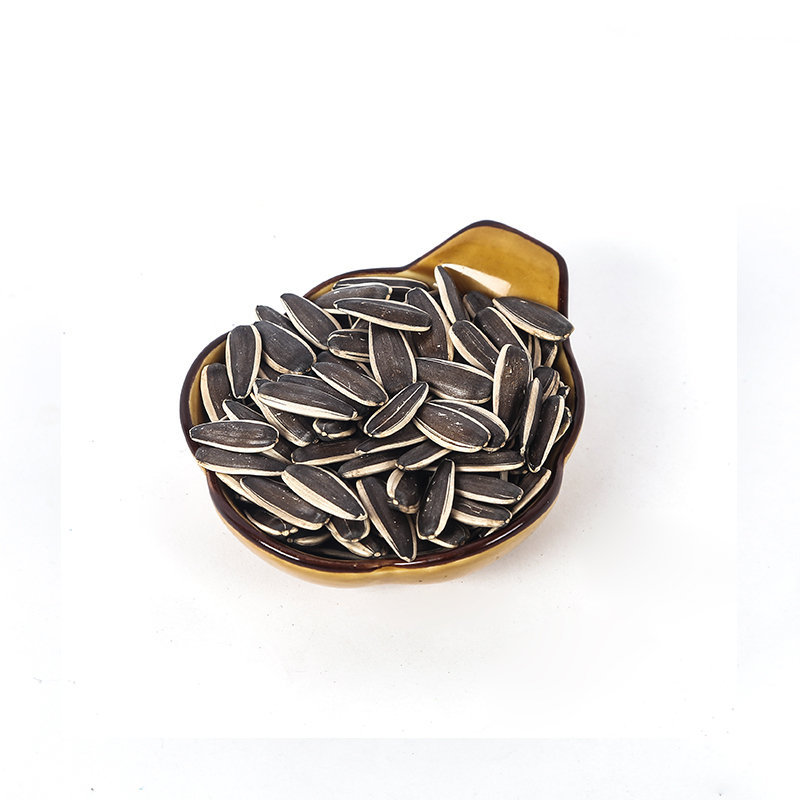
High quality melon seeds for cooking represent a critical component within the global culinary supply chain, particularly in Asian cuisine. These seeds, derived primarily from Cucurbita pepo varieties specifically cultivated for seed production, are consumed roasted and seasoned as a snack or utilized as an ingredient in various dishes. Their technical significance lies in achieving optimal seed maturity, minimizing defects, ensuring consistent oil content, and maintaining strict hygienic standards throughout processing. The industry faces growing demands for enhanced nutritional value, consistent quality across batches, and traceability from farm to consumer. Key performance indicators include oil yield, protein content, moisture level, foreign matter content, and freedom from aflatoxins. This guide provides an in-depth technical analysis of high quality melon seeds for cooking, encompassing material science, manufacturing processes, performance characteristics, failure modes, and relevant industry standards.
Material Science & Manufacturing
The fundamental material science of melon seeds revolves around their chemical composition. Primarily, they consist of 40-50% oil, 25-35% protein, 10-15% carbohydrates (primarily starch), and 5-10% moisture. The oil is rich in linoleic acid, an essential fatty acid, contributing to its nutritional value. Protein composition includes various amino acids crucial for human nutrition. Seed shell composition is primarily cellulose and lignin, providing structural integrity. Manufacturing begins with variety selection – cultivars bred for large seed size, high oil content, and thin hulls are prioritized. Harvesting occurs at physiological maturity, indicated by a dry husk and hardened seeds. Post-harvest, seeds undergo cleaning to remove debris, followed by drying to reduce moisture content to 8-10% to inhibit fungal growth and enzymatic activity. Roasting, typically at 120-150°C, is a crucial step, developing flavor and enhancing crispness. Parameter control during roasting is paramount; temperature, duration, and airflow directly influence seed quality. Seasoning with salt, spices, or other flavorings follows. Packaging employs materials with low oxygen transmission rates to maintain freshness and prevent rancidity. The entire process is subject to stringent hygiene regulations to prevent contamination by microorganisms and foreign materials. Seed germination rate, while not relevant for consumption, is a quality control parameter during initial seed selection for cultivation.
Performance & Engineering
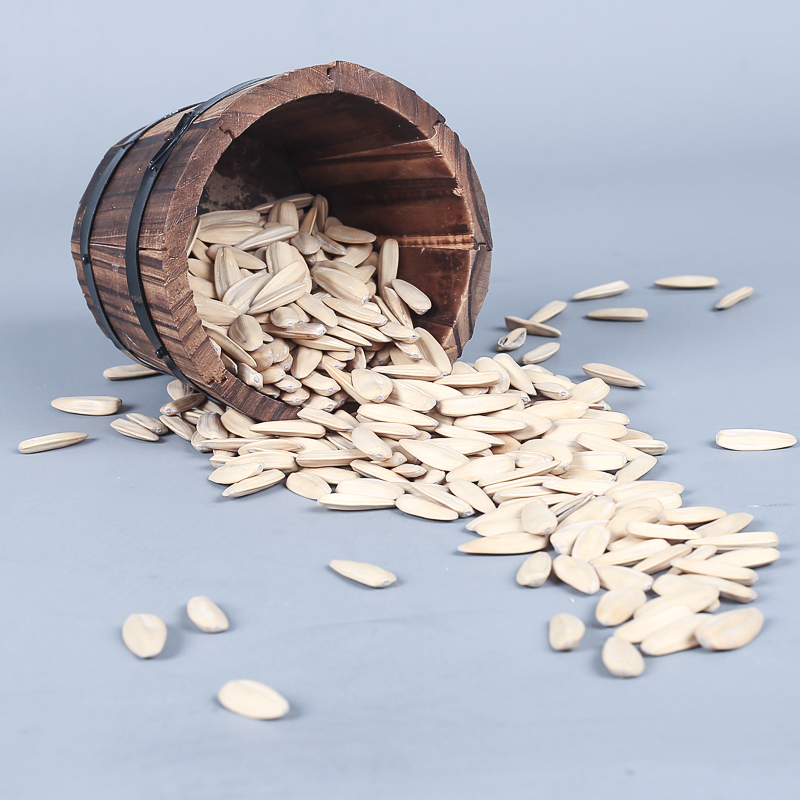
Performance analysis of melon seeds centers on their structural integrity and response to applied forces during processing and consumption. The shell’s tensile strength dictates its resistance to cracking during roasting and handling. Oil content directly correlates with caloric density and sensory properties (texture and mouthfeel). Moisture content impacts shelf life; exceeding 10% promotes microbial growth and lipid oxidation. Environmental resistance is critical; seeds must withstand temperature fluctuations during storage and transportation. Packaging plays a crucial role in mitigating these effects. Compliance requirements include adherence to food safety standards (e.g., HACCP, GMP), maximum permissible levels of heavy metals (lead, cadmium), and limitations on aflatoxin contamination. Functional implementation involves understanding the seed’s behavior in various culinary applications – their ability to absorb flavors, maintain texture during cooking, and contribute to the overall sensory experience. Particle size distribution following processing (e.g., crushing for use in sauces) is also an important engineering consideration. The hygroscopic nature of the seeds requires precise control of humidity during packaging to prevent softening and clumping.
Technical Specifications
| Parameter | Unit | Specification (Grade A) | Specification (Grade B) |
|---|---|---|---|
| Moisture Content | % w/w | ≤ 8.0 | ≤ 10.0 |
| Oil Content | % w/w | ≥ 45.0 | ≥ 40.0 |
| Protein Content | % w/w | ≥ 28.0 | ≥ 25.0 |
| Foreign Matter | % w/w | ≤ 0.5 | ≤ 1.0 |
| Aflatoxin B1 | ppb | ≤ 2 | ≤ 5 |
| Shell Thickness (Average) | mm | 0.15 - 0.25 | 0.25 - 0.35 |
Failure Mode & Maintenance
Failure modes in melon seeds primarily relate to degradation of quality during storage and handling. Rancidity, caused by lipid oxidation, is a major concern, resulting in off-flavors and reduced nutritional value. This is accelerated by exposure to oxygen, light, and elevated temperatures. Shell cracking, often due to mechanical stress during processing or transportation, compromises product appearance and can lead to moisture absorption. Aflatoxin contamination, stemming from fungal growth in improperly stored seeds, poses a significant health hazard. Insect infestation can also lead to product rejection. Maintenance strategies focus on preventative measures: proper drying and storage in airtight containers, temperature and humidity control, and regular monitoring for signs of infestation or contamination. Packaging with oxygen absorbers and nitrogen flushing can extend shelf life. Implementing a robust quality control system, including regular testing for aflatoxins and oil oxidation levels, is crucial. Rotation of stock based on first-in, first-out principles minimizes the risk of prolonged storage and quality deterioration. Avoiding excessive handling and ensuring gentle processing techniques also reduce shell cracking.
Industry FAQ
Q: What is the significance of the peroxide value in assessing melon seed quality?
A: The peroxide value (PV) is a crucial indicator of lipid oxidation and rancidity. It measures the concentration of peroxides formed during the initial stages of oil degradation. A higher PV indicates a greater degree of oxidation and a lower quality product. Industry standards typically specify a maximum PV limit to ensure acceptable flavor and shelf life.
Q: How does the roasting process impact the acrylamide content in melon seeds?
A: Roasting at high temperatures can lead to the formation of acrylamide, a potentially harmful compound. Acrylamide formation is influenced by factors such as roasting temperature, duration, and moisture content. Optimizing roasting parameters to minimize acrylamide formation while maintaining desired flavor and texture is a key challenge for manufacturers.
Q: What are the best practices for controlling aflatoxin contamination?
A: Controlling aflatoxin contamination requires a multi-faceted approach. It begins with sourcing seeds from regions with low aflatoxin prevalence. Proper drying to reduce moisture content, effective storage in airtight containers, and regular testing for aflatoxins are essential. Using antifungal treatments, where permitted by regulations, can also help prevent fungal growth.
Q: How does seed size and hull thickness affect the final product yield and consumer preference?
A: Larger seeds generally result in a higher yield of edible kernel per unit weight. Thinner hulls are preferred by consumers as they are easier to chew and contribute less to the overall texture. Variety selection should prioritize these characteristics to maximize product quality and consumer appeal.
Q: What packaging materials are most effective in preserving the freshness and preventing rancidity of roasted melon seeds?
A: Packaging materials with low oxygen transmission rates (OTR) and moisture vapor transmission rates (MVTR) are crucial. Multi-layer films incorporating aluminum foil or metallized polyester provide excellent barrier properties. Modified atmosphere packaging (MAP) with nitrogen flushing can further reduce oxygen levels and extend shelf life. Proper sealing is also essential to maintain the integrity of the packaging.
Conclusion
High quality melon seeds for cooking represent a complex agricultural product with critical performance parameters spanning material science, manufacturing, and food safety. Achieving consistent quality requires meticulous control over every stage of the supply chain, from cultivar selection and harvesting to processing, packaging, and storage. Maintaining low moisture content, controlling oxidation, and preventing aflatoxin contamination are paramount for preserving nutritional value, flavor, and safety.
Future trends in the industry will likely focus on developing improved seed varieties with enhanced oil content and thinner hulls, implementing more sophisticated processing technologies to minimize acrylamide formation, and utilizing sustainable packaging materials to reduce environmental impact. Traceability systems, leveraging blockchain technology, will become increasingly important for ensuring supply chain transparency and consumer confidence.
