Introduction
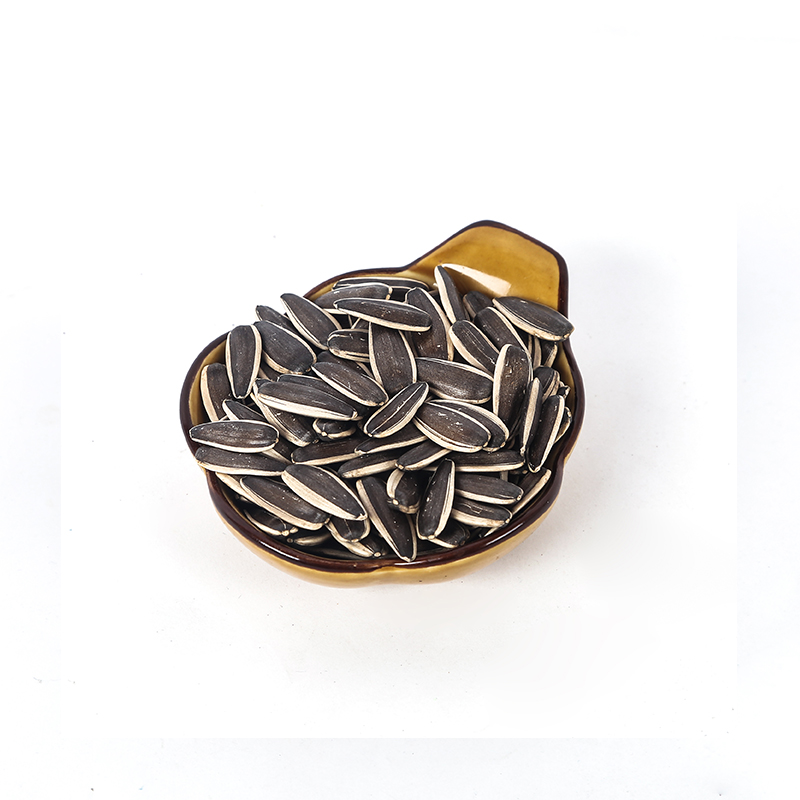
High-quality melon seed cooking represents a significant niche within the broader food processing industry, demanding stringent quality control and precise thermal processing to achieve optimal palatability and safety. Melon seeds, derived primarily from Cucurbita species, undergo a complex transformation from raw agricultural product to a consumer-ready snack. This guide details the technical considerations for processing these seeds, focusing on material properties, thermal dynamics, common defects, and relevant regulatory frameworks. The industry faces consistent challenges related to seed uniformity, shell cracking during processing, rancidity due to lipid oxidation, and adherence to food safety standards. Effective control of these parameters directly impacts product yield, consumer acceptance, and overall profitability. This document aims to provide an in-depth technical understanding for procurement managers, food scientists, and processing engineers involved in melon seed production.
Material Science & Manufacturing
Raw melon seeds consist of approximately 50-60% lipids, 20-30% proteins, 10-15% carbohydrates, and 5-10% moisture, along with trace minerals and vitamins. The lipid composition is dominated by unsaturated fatty acids (linoleic, oleic), making them susceptible to oxidative rancidity. The seed shell, composed primarily of cellulose and lignin, provides structural integrity but is vulnerable to cracking under thermal and mechanical stress. Manufacturing begins with cleaning and grading the raw seeds to remove debris and ensure size uniformity. The critical process is roasting, typically conducted using hot air ovens or fluidized bed roasters. Roasting parameters – temperature (120-180°C), duration (15-45 minutes), and air velocity – directly impact moisture content, lipid oxidation rates, and shell fracture. Temperature control is paramount; insufficient roasting results in a bland flavor and high moisture content, promoting microbial growth. Excessive roasting leads to scorching, off-flavors, and reduced nutritional value. Following roasting, seeds are often seasoned with salt, spices, or flavorings, followed by cooling and packaging. Packaging materials must provide a barrier against oxygen and moisture to prevent rancidity and maintain product freshness. Recent advancements involve vacuum frying to reduce oil absorption and the use of pulsed electric fields for improved moisture removal prior to roasting.
Performance & Engineering
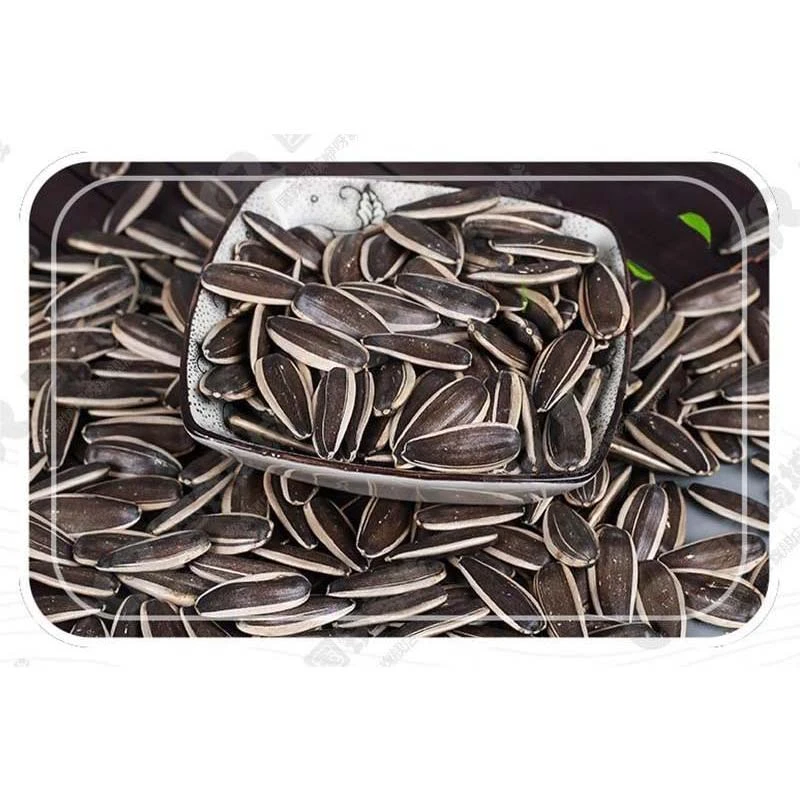
The performance of roasted melon seeds is critically linked to shell integrity and kernel expansion. Force analysis reveals that the shell's fracture strength is dependent on moisture content and roasting temperature. Rapid heating leads to thermal gradients within the seed, creating stress concentrations that initiate cracking. Finite element analysis (FEA) can be employed to model heat transfer and stress distribution within the seed during roasting, optimizing process parameters. Environmental resistance focuses on preventing lipid oxidation. Oxygen transmission rate (OTR) through packaging materials must be minimized. Antioxidants, such as tocopherols (Vitamin E) and rosemary extract, are often added to the seeds or packaging to inhibit oxidation. Compliance requirements include adherence to food safety standards (HACCP, GMP) and regulations regarding permissible levels of acrylamide (formed during high-temperature roasting) and aflatoxins (mycotoxins produced by molds). Functional implementation includes efficient heat transfer systems in roasters, automated seasoning and cooling lines, and packaging machinery capable of maintaining a hermetic seal. The structural integrity of the seed and its resistance to fracturing during handling and transport are critical engineering considerations.
Technical Specifications
| Moisture Content (%) | Oil Content (%) | Shell Fracture Rate (%) | Peroxide Value (meq O2/kg) |
|---|---|---|---|
| 4.0 – 6.0 | 50.0 – 65.0 | < 5.0 | < 2.0 |
| Type | Variety | Roasting Temperature (°C) | Packaging Material OTR (cm³/m²/day) |
| Cucurbita pepo | Standard | 150 ± 5 | < 5.0 |
| Cucurbita maxima | Premium | 160 ± 5 | < 2.0 |
| Shell Thickness (mm) | Kernel Weight (g/100 seeds) | Aw (Water Activity) | Acrylamide (µg/kg) |
| 0.2 – 0.4 | 8.0 – 12.0 | < 0.6 | < 100 |
Failure Mode & Maintenance
Common failure modes include shell cracking (due to thermal stress or mechanical impact), rancidity (caused by lipid oxidation), incomplete roasting (resulting in a bland flavor and potential microbial growth), and discoloration (due to Maillard reaction or scorching). Failure analysis reveals that shell cracking often originates from pre-existing micro-fractures or uneven heating. Rancidity is accelerated by exposure to oxygen, light, and elevated temperatures. Maintenance involves regular cleaning and calibration of roasting equipment, monitoring of temperature and humidity levels, and proper storage of raw materials and finished products. Preventive maintenance should include inspection of heating elements, airflow systems, and control instrumentation. Oil filtration and replacement in fluidized bed roasters are crucial. Furthermore, a robust quality control system is essential, including regular sensory evaluation, moisture content analysis, and peroxide value testing to detect early signs of rancidity. Periodic assessment of packaging integrity is also vital to ensure an effective barrier against oxygen and moisture.
Industry FAQ
Q: What is the optimal roasting profile to minimize shell cracking and maximize flavor development?
A: The optimal roasting profile depends on the seed variety and size. A slower ramp-up rate to the target temperature (150-160°C) followed by a controlled holding time is recommended. Employing a fluidized bed roaster ensures more uniform heat distribution and reduces thermal stress. Monitoring seed temperature directly, rather than relying solely on air temperature, provides better control. Consider using a two-stage roasting process: a lower temperature for initial moisture removal, followed by a higher temperature for flavor development.
Q: How can we effectively mitigate lipid oxidation and extend the shelf life of roasted melon seeds?
A: Minimizing oxygen exposure is paramount. Employ high-barrier packaging materials with low OTR. Adding natural antioxidants like tocopherols or rosemary extract can significantly inhibit oxidation. Storing the seeds in a cool, dark, and dry environment also helps. Nitrogen flushing during packaging further reduces oxygen levels. Consider vacuum frying as an alternative processing method to reduce oil absorption and improve oxidative stability.
Q: What are the key considerations for selecting packaging materials for roasted melon seeds?
A: The packaging material must provide an effective barrier against oxygen, moisture, and light. Metallized films, multi-layer laminates, and high-density polyethylene (HDPE) are commonly used. The material should also be food-grade and comply with relevant regulations. Consider the cost-effectiveness and recyclability of the packaging material. Testing the OTR and WVTR of the packaging material is crucial.
Q: How do you control the acrylamide levels formed during the roasting process?
A: Acrylamide formation is influenced by roasting temperature and time. Lowering the roasting temperature and shortening the roasting time can reduce acrylamide levels. Adding asparaginase to the seeds before roasting can also inhibit acrylamide formation. Regular monitoring of acrylamide levels is essential to ensure compliance with regulatory limits.
Q: What are the best practices for maintaining hygiene and preventing microbial contamination during melon seed processing?
A: Implement a comprehensive HACCP plan. Ensure thorough cleaning and sanitization of all equipment and processing areas. Control moisture content to below 6% to inhibit microbial growth. Implement strict pest control measures. Regularly monitor for microbial contamination. Employee training on hygiene practices is crucial.
Conclusion
The production of high-quality roasted melon seeds requires a thorough understanding of the material science involved, precise control of the roasting process, and diligent attention to packaging and storage. Minimizing shell cracking, preventing lipid oxidation, and adhering to stringent food safety standards are critical to achieving a desirable product. Ongoing research and development efforts are focused on optimizing roasting profiles, enhancing packaging materials, and exploring novel processing techniques to improve product quality and shelf life.
Future trends in the industry likely include the development of more sustainable packaging solutions, the implementation of advanced process control systems utilizing AI and machine learning, and the exploration of new flavor profiles and seasoning options to cater to evolving consumer preferences. Maintaining a commitment to quality control, regulatory compliance, and continuous improvement will be essential for success in this competitive market.
