Introduction
High quality melon seeds, representing a significant agricultural commodity, occupy a critical position within the food processing and snack food industries. These seeds, derived primarily from Cucumis melo varieties, are valued for their nutritional content, flavor profile, and versatile applications. This technical guide provides a comprehensive overview of the science and engineering principles underpinning the production, quality control, and performance characteristics of high quality melon seeds, addressing critical considerations for procurement managers and engineers across the supply chain. The seeds are subject to stringent quality control measures, focusing on germination rates, seed viability, absence of pathogens, and physical integrity. Their industrial position encompasses seed breeding, agricultural cultivation, post-harvest processing, packaging, and ultimately, consumer product manufacturing – ranging from direct consumption as snacks to incorporation into confectionary and processed food items. Key performance indicators include oil content, protein content, fatty acid composition, and the presence of anti-nutritional factors.
Material Science & Manufacturing
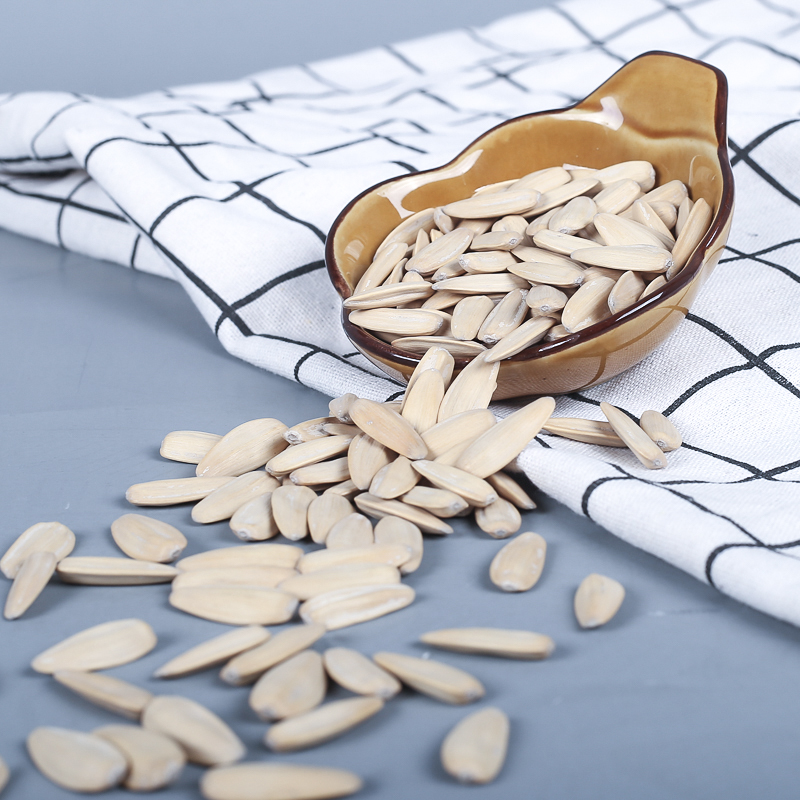
Melon seeds are comprised of three primary constituents: the seed coat (testa), the endosperm, and the embryo. The testa is primarily composed of cellulose, hemicellulose, and lignin, providing structural support and protection. The endosperm, the largest portion of the seed, is rich in carbohydrates and proteins, serving as the primary nutrient reserve for germination. The embryo contains the nascent plant and is high in lipids, particularly unsaturated fatty acids. Raw material quality – dependent on cultivar, growing conditions (temperature, humidity, soil composition), and harvesting techniques – significantly impacts seed performance. Manufacturing begins with harvesting at physiological maturity. Drying is crucial, typically employing sun-drying or mechanical drying to reduce moisture content to approximately 8-10%, inhibiting microbial growth and enzymatic degradation. Cleaning removes debris, broken seeds, and foreign materials. Sorting, often utilizing mechanical size graders and density separators, ensures uniformity. Further processing may include de-hulling (removal of the testa), which increases oil extraction efficiency but reduces shelf life due to increased susceptibility to oxidation. Roasting, a common treatment, enhances flavor and extends shelf life by inactivating lipases and reducing moisture content. Key parameter control during processing involves maintaining consistent temperatures during drying and roasting to prevent thermal degradation of oils and proteins. Control of humidity during storage is also vital, as moisture absorption can lead to mold growth and decreased viability.
Performance & Engineering
The mechanical strength of the seed coat is crucial for withstanding handling, processing, and transportation stresses. Force analysis during seed handling (e.g., during de-hulling or roasting) reveals that seeds can experience shear forces and compressive loads. Seed coat fracture is a primary failure mode under these conditions. Environmental resistance, particularly to moisture and temperature fluctuations, governs shelf life. Water activity (aw) is a critical parameter; maintaining aw below 0.6 inhibits microbial growth. Melon seeds are susceptible to lipid oxidation, leading to rancidity. Antioxidant packaging and storage under inert atmospheres (nitrogen flushing) mitigate this effect. Compliance requirements vary by region, encompassing regulations related to pesticide residues (Maximum Residue Limits – MRLs), heavy metal contamination, and mycotoxin levels (Aflatoxins). Functional implementation centers around their nutritional value. The high unsaturated fatty acid content (linoleic and oleic acids) contributes to cardiovascular health. Protein content supports muscle growth and repair. Mineral content (magnesium, iron, zinc) is essential for various physiological functions. Engineers involved in processing must consider these properties to optimize roasting profiles, milling parameters, and packaging strategies to preserve nutritional integrity and sensory characteristics.
Technical Specifications
| Parameter | Unit | Specification (Grade A) | Specification (Grade B) |
|---|---|---|---|
| Moisture Content | % | ≤ 8.0 | ≤ 10.0 |
| Oil Content | % (Dry Weight Basis) | ≥ 45 | ≥ 40 |
| Protein Content | % (Dry Weight Basis) | ≥ 25 | ≥ 22 |
| Germination Rate | % | ≥ 85 | ≥ 75 |
| Broken Seed Ratio | % | ≤ 2 | ≤ 5 |
| Foreign Matter | % | ≤ 0.5 | ≤ 1.0 |
Failure Mode & Maintenance
Failure modes in high quality melon seeds encompass several categories. Lipid Oxidation: Exposure to oxygen, light, and elevated temperatures leads to rancidity, evidenced by off-flavors and a decline in nutritional value. Preventive measures include antioxidant packaging, nitrogen flushing, and controlled storage temperatures. Mechanical Damage: Cracking or fracturing during handling, processing, or transportation compromises seed integrity and reduces germination rate. Improved handling procedures and optimized processing parameters are crucial. Microbial Contamination: Mold growth (e.g., Aspergillus) can produce mycotoxins (Aflatoxins), rendering the seeds unfit for consumption. Proper drying, hygienic processing environments, and effective storage conditions are essential. Insect Infestation: Stored product pests can infest seeds, causing damage and contamination. Insecticidal treatments and sealed storage containers are required. Maintenance of seed quality during storage necessitates regular monitoring of moisture content, temperature, and visual inspection for signs of damage or infestation. Periodic laboratory analysis for mycotoxins and pesticide residues is recommended. Proper stock rotation (FIFO – First In, First Out) minimizes the risk of prolonged storage and deterioration. Packaging integrity must be continuously monitored to prevent moisture ingress and pest access.
Industry FAQ
Q: What is the optimal moisture content for long-term storage of melon seeds?
A: The optimal moisture content for long-term storage is typically between 8% and 10%. Maintaining this range inhibits microbial growth and enzymatic activity, extending shelf life. Higher moisture levels accelerate deterioration, while extremely low moisture content can lead to cracking and reduced viability.
Q: How does the seed coat composition affect processing efficiency?
A: The seed coat's composition significantly influences de-hulling efficiency and oil extraction yield. A thicker, more rigid seed coat requires more energy for de-hulling. The presence of lignin and other complex polymers can also hinder oil extraction. Selecting cultivars with thinner, less lignified seed coats can improve processing efficiency.
Q: What are the critical control points for minimizing Aflatoxin contamination?
A: Critical control points include pre-harvest agricultural practices (managing Aspergillus in the field), proper harvesting timing, rapid and thorough drying to reduce moisture content, hygienic processing environments, and effective storage conditions. Regular testing for Aflatoxin levels is also essential.
Q: What is the significance of fatty acid composition in determining seed quality?
A: The fatty acid composition directly impacts the nutritional value and oxidative stability of the seeds. A higher proportion of unsaturated fatty acids (linoleic and oleic acid) is beneficial for health but increases susceptibility to oxidation. The ratio of omega-6 to omega-3 fatty acids is also an important consideration.
Q: How can packaging materials contribute to preserving seed quality?
A: Packaging materials play a vital role in protecting seeds from moisture, oxygen, light, and physical damage. Moisture-barrier films (e.g., polyethylene) prevent water absorption. Oxygen-barrier films (e.g., metallized polyester) minimize lipid oxidation. Opaque packaging protects against light-induced degradation. Vacuum packaging or nitrogen flushing further enhances preservation.
Conclusion
The production and maintenance of high quality melon seeds demand a rigorous understanding of material science, manufacturing processes, and quality control principles. The interplay between cultivar selection, agricultural practices, post-harvest handling, and storage conditions directly impacts seed performance, nutritional value, and safety. Effective implementation of these principles is vital for ensuring a consistent supply of premium seeds to meet the demands of the food processing industry.
Future advancements in seed technology will likely focus on developing cultivars with enhanced nutritional profiles, increased resistance to pests and diseases, and improved processing characteristics. Sustainable agricultural practices, minimizing environmental impact, and optimizing resource utilization will also be critical. Furthermore, innovations in packaging materials and storage technologies will continue to play a key role in extending shelf life and preserving seed quality.
