Introduction
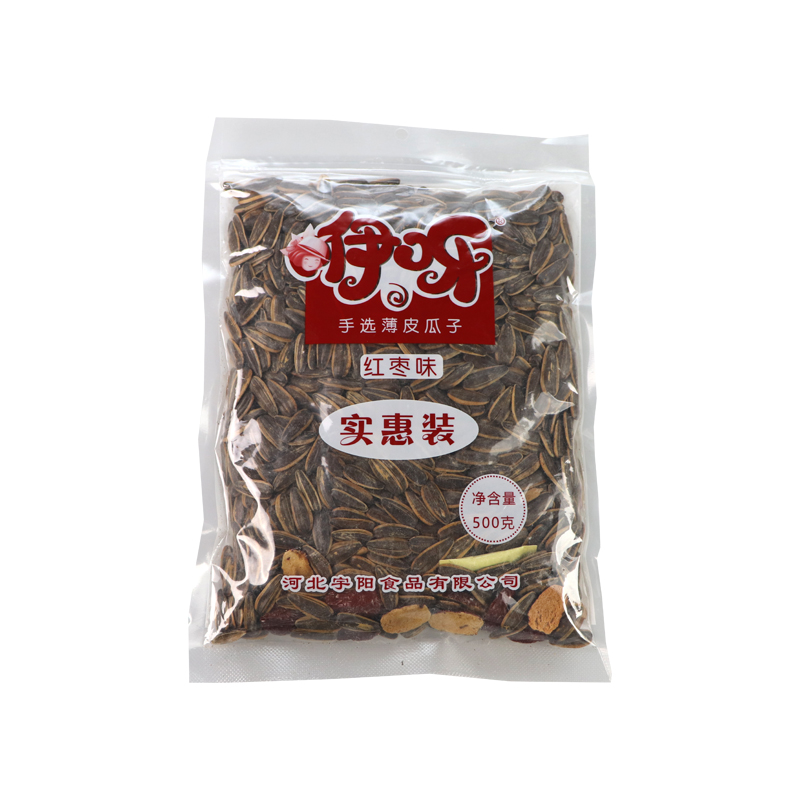
High quality melon seeds and pumpkin seeds represent a significant segment within the global edible seed market, extending beyond direct human consumption to encompass applications in oil production, confectionery, and increasingly, functional food ingredients. Their technical position within the agricultural supply chain is defined by rigorous selection processes, advanced processing technologies, and adherence to stringent quality control protocols. Core performance characteristics are dictated by oil content, protein profile, fatty acid composition, germination rates (for seed destined for further propagation), and the absence of mycotoxins and other contaminants. Demand is driven by increasing consumer awareness of nutritional benefits – particularly the high levels of unsaturated fatty acids, magnesium, zinc, and antioxidants – and a growing preference for plant-based protein sources. This guide provides an in-depth technical analysis of these seeds, covering material science, manufacturing processes, performance parameters, failure modes, and relevant industry standards.
Material Science & Manufacturing
The primary raw material for both melon and pumpkin seeds is, naturally, the seed kernel itself, encased within a protective hull (pericarp). Melon seeds (typically from Cucumis melo varieties) possess a smoother, often off-white to pale beige kernel with a higher oil content relative to pumpkin seeds. Pumpkin seeds (primarily Cucumis pepo) exhibit a darker green kernel, often with a distinct striation, and a slightly higher protein content. Kernel composition varies significantly based on cultivar, growing conditions (soil composition, sunlight exposure, water availability), and maturity stage at harvest. Chemically, the oil within these seeds is predominantly composed of linoleic acid (omega-6), oleic acid (omega-9), and palmitic acid. The hull’s composition is largely cellulose and lignin, providing structural rigidity.
Manufacturing begins with harvesting and cleaning, followed by drying to a specific moisture content (typically 8-10%) to prevent fungal growth and enzymatic degradation. This drying is a critical parameter, often utilizing controlled-temperature air dryers. Hulling is then performed, either mechanically (impact dehulling) or through a combination of mechanical and enzymatic methods. Mechanical hulling can cause kernel damage, reducing quality and increasing the risk of rancidity. Enzymatic hulling, while gentler, is slower and more costly. Post-hulling, seeds undergo sorting (optical or gravimetric) to remove damaged kernels, foreign matter, and hull fragments. Roasting is often employed to enhance flavor and texture, but must be carefully controlled to avoid excessive lipid oxidation. Finally, seeds may be seasoned or coated, and packaged under modified atmosphere packaging (MAP) to extend shelf life. Key parameter control includes maintaining consistent drying temperatures, optimizing hulling pressure to minimize kernel breakage, and monitoring roasting temperatures to limit the formation of harmful compounds like acrylamide.
Performance & Engineering
Performance evaluation of these seeds focuses on several key engineering properties. Tensile strength and compressive strength are important considerations during processing and packaging, determining the resistance to cracking and breakage. These properties are influenced by kernel moisture content and structural integrity. Hygroscopic behavior – the ability to absorb moisture from the environment – dictates shelf life and packaging requirements. Seeds with higher moisture absorption rates are more susceptible to microbial spoilage and lipid oxidation. Thermal conductivity is relevant during roasting and drying processes, impacting heat transfer efficiency. Furthermore, the seeds’ lipid profile is crucial for determining their oxidative stability. The ratio of saturated to unsaturated fatty acids directly correlates with resistance to rancidity. Antioxidant capacity, measured using methods like DPPH radical scavenging assays, indicates the seeds' ability to protect against free radical damage. Compliance requirements include adherence to maximum permissible levels of aflatoxins (regulated by various national and international bodies), heavy metal content (lead, cadmium, mercury), and pesticide residues. The packaging material selected must provide an adequate barrier to oxygen and moisture to maintain product quality.
Technical Specifications
| Parameter | Melon Seeds (Typical Range) | Pumpkin Seeds (Typical Range) | Test Method |
|---|---|---|---|
| Oil Content (%) | 45-55 | 40-50 | Soxhlet Extraction (AOAC) |
| Protein Content (%) | 25-30 | 30-35 | Kjeldahl Method (AOAC) |
| Moisture Content (%) | 6-8 | 6-8 | Oven Drying (AOAC) |
| Aflatoxin B1 (ppb) | <5 | <5 | HPLC-FLD (AOAC) |
| Peroxide Value (meq O2/kg) | <3 | <5 | Titrimetric Method (AOCS) |
| Linoleic Acid (%) | 50-60 | 40-50 | Gas Chromatography (AOCS) |
Failure Mode & Maintenance
Failure modes in high quality melon and pumpkin seeds are primarily related to deterioration during storage and processing. Rancidity, caused by lipid oxidation, is a significant concern, leading to off-flavors and reduced nutritional value. This is accelerated by exposure to oxygen, light, and elevated temperatures. Mycotoxin contamination, particularly by Aspergillus species, represents a serious health hazard. This is favored by high moisture content and poor storage conditions. Kernel breakage during hulling and handling reduces visual appeal and can increase the surface area exposed to oxidation. Insect infestation is another potential failure mode, leading to product loss and contamination. Degradation of proteins and vitamins can occur over time, diminishing the nutritional profile.
Maintenance strategies focus on preventative measures. Proper drying to the specified moisture content is critical. Storage in airtight containers under cool, dry, and dark conditions minimizes oxidation and mycotoxin formation. Modified atmosphere packaging (MAP) utilizing nitrogen or carbon dioxide further extends shelf life. Regular monitoring for aflatoxins and other contaminants is essential. Implementing robust pest control measures prevents insect infestation. Maintaining hygienic processing equipment minimizes microbial contamination. For bulk storage, regular aeration helps to prevent localized heating and moisture buildup. Finally, adhering to First-In, First-Out (FIFO) inventory management ensures that older stock is used before newer stock, minimizing the risk of degradation.
Industry FAQ
Q: What is the primary difference in processing requirements between melon and pumpkin seeds concerning aflatoxin mitigation?
A: Pumpkin seeds, due to their generally larger surface area and slightly more porous kernel structure, are statistically more susceptible to aflatoxin contamination than melon seeds. Therefore, pumpkin seed processing requires more stringent pre-cleaning procedures, including advanced optical sorting to remove any visibly moldy kernels. Furthermore, post-processing testing for aflatoxins should be more frequent and comprehensive for pumpkin seeds.
Q: How does the hulling method affect the oxidative stability of the seed oil?
A: Mechanical hulling, while efficient, generates micro-fractures in the kernel, increasing the surface area exposed to oxygen and accelerating lipid oxidation. Enzymatic hulling is gentler, preserving kernel integrity and resulting in higher oxidative stability. Therefore, seeds hulled using enzymatic methods command a premium due to their extended shelf life.
Q: What are the key indicators of seed quality that a procurement manager should focus on beyond oil and protein content?
A: Beyond oil and protein, procurement managers should prioritize peroxide value (PV) as an indicator of rancidity, aflatoxin levels for food safety, moisture content to predict shelf life, and the presence of any foreign matter. Visual inspection for kernel damage and discoloration is also crucial. A Certificate of Analysis (CoA) from a reputable laboratory is essential.
Q: Can you explain the significance of MAP in extending the shelf life of these seeds?
A: Modified Atmosphere Packaging (MAP) replaces the air inside the packaging with a gas mixture, typically nitrogen or carbon dioxide. Nitrogen is inert and prevents oxidation, while carbon dioxide inhibits microbial growth. This significantly reduces the rate of rancidity and spoilage, extending the shelf life of the seeds by several months. The optimal gas mixture depends on the specific seed type and packaging material.
Q: What role does cultivar selection play in optimizing seed performance characteristics?
A: Cultivar selection is paramount. Different cultivars exhibit significant variations in oil content, protein composition, fatty acid profiles, and kernel size. Selecting cultivars specifically bred for high oil yield, desirable fatty acid ratios (e.g., high oleic acid content for improved oxidative stability), and resistance to fungal diseases is crucial for maximizing seed performance and quality. Genetic testing can be used to verify cultivar purity and authenticity.
Conclusion
High quality melon seeds and pumpkin seeds represent a complex agricultural product requiring careful consideration of material science, manufacturing processes, and performance parameters. Optimizing these factors – from cultivar selection and controlled drying to gentle hulling and protective packaging – is critical for delivering a safe, nutritious, and stable product to the market. Maintaining stringent quality control, particularly regarding mycotoxin levels and oxidative stability, is paramount to ensure consumer safety and satisfaction.
Future trends will likely focus on developing cultivars with enhanced nutritional profiles (e.g., increased vitamin E content), improving processing efficiency through innovative hulling technologies, and implementing advanced packaging solutions to further extend shelf life and minimize environmental impact. A deeper understanding of the complex interplay between genetic factors, growing conditions, and processing parameters will be essential for continued innovation in this dynamic sector.
