Introduction
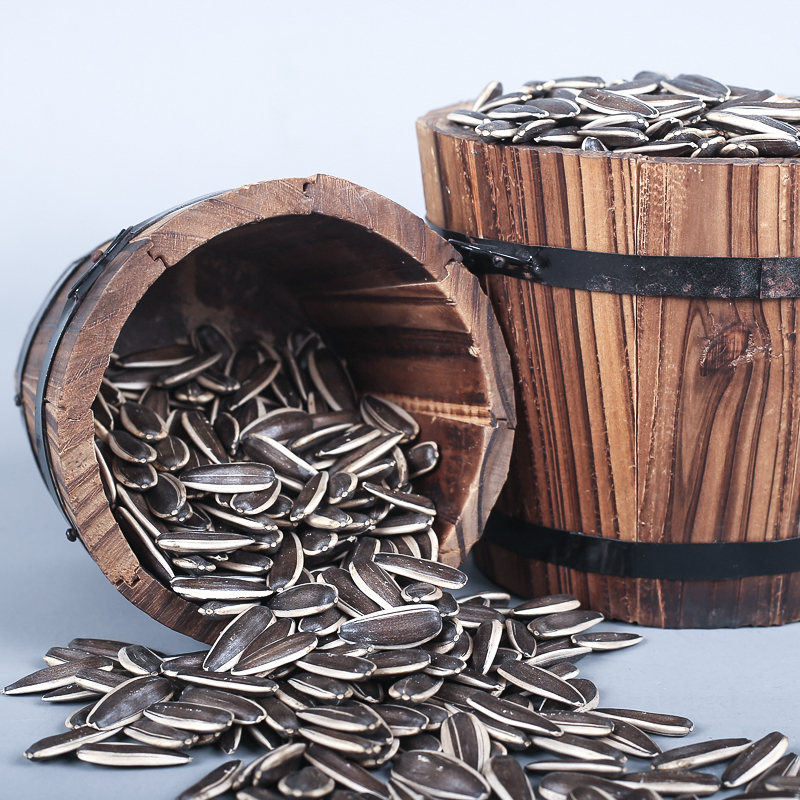
High quality melon seeds, specifically those intended for edible consumption or agricultural replanting, represent a significant commodity within the global agricultural market. The price per kilogram is subject to a complex interplay of factors encompassing seed variety (cultivar), origin, quality grading (based on germination rate, purity, and physical characteristics), market demand, seasonality, and processing methods (e.g., drying, shelling, and coating). This guide provides a comprehensive technical overview of the underlying science, manufacturing processes, performance characteristics, and potential failure modes associated with high quality melon seeds, focusing on the determinants of price and maintaining quality throughout the supply chain. The seed industry operates within stringent quality control parameters to ensure consistent performance, and this document will detail those critical specifications. Understanding these facets is crucial for procurement managers, agricultural engineers, and quality control personnel involved in the melon seed industry.
Material Science & Manufacturing
The foundational material science of melon seeds revolves around their biological composition. The seed comprises three primary components: the embryo (the developing plant), the endosperm (nutrient storage), and the seed coat (protective outer layer). The endosperm is rich in oils (typically 40-60% by weight, consisting primarily of linoleic and oleic acids), proteins (20-30%), carbohydrates (10-20%), and trace minerals. The seed coat is composed of cellulose, hemicellulose, and lignin, providing structural integrity. Seed variety significantly impacts oil content and protein profile, directly affecting nutritional value and subsequently, price.
Manufacturing processes begin with harvesting at physiological maturity. Traditional methods involved manual harvesting and sun-drying, susceptible to contamination and inconsistent drying rates. Modern industrial practices employ mechanical harvesting, followed by cleaning (removing debris), drying (typically using controlled-temperature air dryers to reduce moisture content to 8-10% for storage stability), shelling (removing the outer husk – a crucial stage impacting seed integrity), grading (using size and density separators to ensure uniformity), and coating (applying protective layers, often including fungicides and insecticides to prevent fungal growth and insect infestation during storage and transportation). Critical parameters during drying include temperature (excessive heat degrades oil quality) and airflow (uniform drying is paramount to prevent mold development). Seed coating formulations necessitate precise control of chemical concentrations to ensure efficacy and adherence to regulatory standards. Post-harvest treatment with polymers can be used to improve seed flowability and reduce dust. The mechanical integrity of the seed is paramount. Cracked or damaged seeds have lower germination rates and are devalued.
Performance & Engineering
Performance evaluation of melon seeds centers on germination rate, vigor index (a measure of seedling growth rate and strength), and seed purity. Germination rate, expressed as a percentage, is determined by subjecting a sample of seeds to controlled temperature and moisture conditions. Vigor index is calculated by measuring seedling length and dry weight after a defined germination period. Seed purity is assessed by visually inspecting a sample for foreign matter and other crop seeds. These parameters are critical to ensure a predictable yield.
Environmental resistance is a key performance characteristic. Seeds must withstand temperature fluctuations, humidity variations, and potential exposure to pathogens during storage and transport. Seed coatings often incorporate compounds that enhance resistance to fungal and bacterial attack. Furthermore, the physical strength of the seed coat is engineered to resist mechanical damage during handling and processing. Compliance requirements adhere to national and international seed certification standards (see footer). Force analysis during shelling operations is crucial to minimize seed damage. Optimal shelling force balances seed separation with minimizing crack propagation. The storage environment requires precise control of temperature and humidity. Elevated temperatures accelerate oil rancidity, while high humidity promotes fungal growth. Engineering solutions include hermetically sealed storage containers and controlled atmosphere storage (reducing oxygen levels to inhibit respiration and slow degradation).
Technical Specifications
| Parameter | Unit | Specification (High Quality Seed) | Testing Method |
|---|---|---|---|
| Germination Rate | % | ≥ 95 | ISTA Method |
| Moisture Content | % | 8 – 10 | Oven Drying Method (ISTA) |
| Oil Content | % (Dry Weight Basis) | 45 – 55 | Soxhlet Extraction |
| Purity | % | ≥ 99 | Visual Inspection (ISTA) |
| Seed Size (Length) | mm | 10 – 15 (varies by cultivar) | Sieve Analysis |
| 1000-Seed Weight | g | 20 – 30 (varies by cultivar) | Weight Measurement |
Failure Mode & Maintenance
Failure modes in high quality melon seeds fall into several categories. Physical damage (cracking, chipping) during handling and processing reduces germination rates. Biological degradation (fungal and bacterial infection) compromises seed viability and can lead to seed rot during germination. Oxidation of seed oils leads to rancidity, decreasing nutritional value and germination potential. Insect infestation damages the embryo and endosperm.
Maintenance strategies focus on preventative measures. Proper drying and storage conditions (low temperature, low humidity, pest control) are critical. Seed coatings offer protection against fungal and insect attack. Regular monitoring of seed quality during storage is essential. Seed treatment with fungicides and insecticides can provide additional protection, but must adhere to regulatory guidelines. Fatigue cracking can occur in seeds subjected to repeated compression forces during handling. Proper packaging and transportation protocols minimize mechanical stress. For seeds intended for replanting, periodic viability testing is recommended to ensure continued germination rates. The implementation of a robust quality control system throughout the entire supply chain is the most effective method to mitigate failure modes.
Industry FAQ
Q: What is the impact of seed moisture content on long-term storage stability?
A: High moisture content (above 10%) significantly reduces storage stability. It promotes fungal growth, accelerates enzymatic activity leading to oil rancidity, and reduces germination rates. Proper drying to 8-10% and maintenance of low humidity storage conditions are critical for preserving seed viability.
Q: How do different seed coating formulations affect germination and seedling vigor?
A: Seed coatings can enhance germination and seedling vigor by providing protection against pathogens, improving water uptake, and delivering essential nutrients. However, excessive coating thickness can impede germination, and inappropriate coating materials can be phytotoxic. Formulation must be optimized for the specific seed variety and intended growing conditions.
Q: What quality control tests are essential for verifying the purity of melon seeds?
A: Visual inspection is the primary method for assessing seed purity, identifying foreign matter and other crop seeds. Seed blowers and sieves are used to remove lightweight debris. Laboratory analysis (ISTA methods) provides more accurate determination of purity levels.
Q: What is the relationship between oil content and seed price?
A: Generally, higher oil content correlates with higher seed price. Oil content is a key indicator of nutritional value and processing potential. Seeds with superior oil quality (e.g., higher levels of unsaturated fatty acids) command a premium price.
Q: How does the origin (geographical location) of the seeds impact their quality and price?
A: The origin significantly impacts seed quality. Climatic conditions, soil composition, and agricultural practices influence seed characteristics. Seeds from regions with optimal growing conditions and stringent quality control standards typically command higher prices. Specific cultivars are often optimized for certain regions as well.
Conclusion
The price of high quality melon seeds is a complex function of numerous interacting factors, ranging from fundamental material science principles governing seed composition and viability to meticulous manufacturing processes and rigorous quality control measures. Maintaining optimal moisture content, protecting against biological degradation, and ensuring seed purity are paramount to preserving seed quality and maximizing germination rates. Understanding these critical parameters is essential for procurement professionals and agricultural engineers seeking to secure high-value seed stock.
Future trends in the melon seed industry are likely to focus on developing seed varieties with enhanced stress tolerance (drought, heat, pests), optimizing seed coatings for targeted nutrient delivery and pathogen protection, and implementing advanced sensor technologies for real-time monitoring of seed quality during storage and transportation. Continued research and development in these areas will be crucial for ensuring a stable and sustainable supply of high-quality melon seeds to meet the growing global demand.
