
Introduction
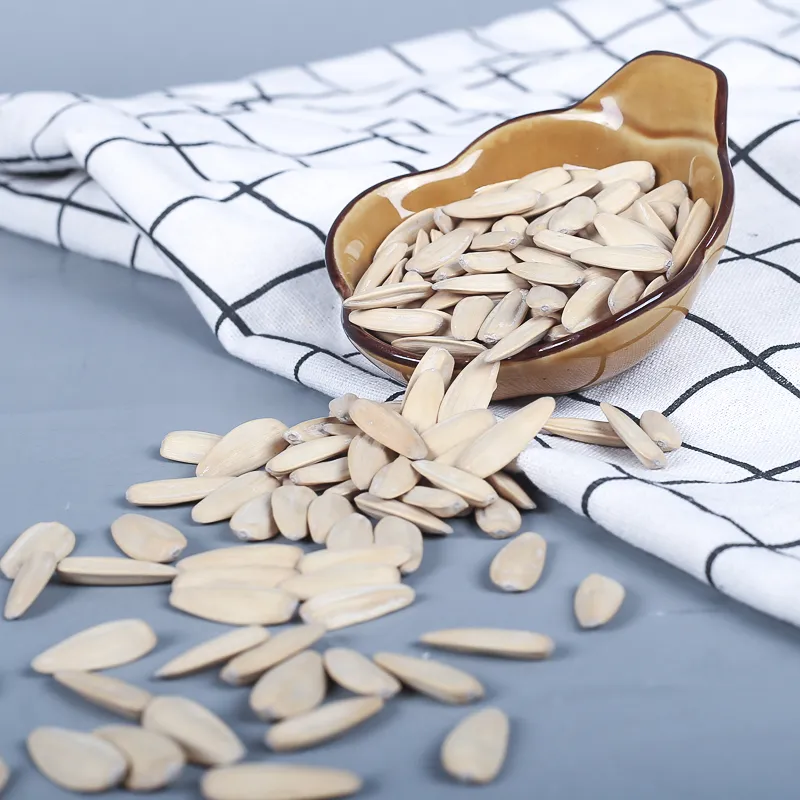
High quality melon seeds represent a critical component within the agricultural and snack food supply chain. These seeds, derived primarily from Cucurbita pepo varieties, are consumed globally both as a direct snack and as a key ingredient in confectionery and food processing. Their technical significance lies in the balance of nutritional value – primarily protein and unsaturated fats – with parameters influencing shelf life, such as moisture content and lipid oxidation stability. This guide provides a comprehensive technical overview of high-quality melon seed production, characterization, performance, potential failure modes, and relevant industry standards, targeting procurement managers, quality control engineers, and food scientists involved in the seed and snack food sectors. Core performance indicators include kernel fullness, absence of damage, oil content, and the minimization of aflatoxin contamination, factors directly impacting consumer acceptance and regulatory compliance.
Material Science & Manufacturing
The raw material, melon seeds, exhibits a complex composition. Approximately 49-59% of the seed weight is attributed to oil, predominantly linoleic acid (omega-6) and oleic acid (omega-9). Protein content ranges from 25-35%, comprising essential amino acids. The shell, or pericarp, consists primarily of cellulose and lignin, providing structural integrity. Manufacturing begins with harvesting mature fruits, followed by seed extraction, washing, and drying. Critical parameter control during drying is paramount; temperatures exceeding 60°C can lead to lipid oxidation and flavor deterioration. Industrial drying typically employs fluidized bed dryers or vacuum dryers to minimize thermal damage. Grading is then performed based on size and visual quality, often utilizing optical sorting technology to remove damaged or discolored seeds. Seed roasting, a common post-processing step, requires precise temperature and time control (typically 120-150°C for 15-30 minutes) to enhance flavor and crispness without inducing acrylamide formation. Shelling, a mechanical process, necessitates carefully calibrated impact forces to maximize kernel recovery while minimizing fragmentation. Seed coatings, using materials like sodium chloride or flavored powders, are applied via tumbling or fluidized bed coating techniques, requiring precise coating weight control for uniformity.
Performance & Engineering
The structural integrity of the seed, particularly the kernel, is critical for processing and consumption. Force analysis during shelling and handling requires consideration of the kernel's compressive strength and fracture toughness. Environmental resistance, specifically moisture absorption, significantly impacts shelf life. High relative humidity (>70%) can promote microbial growth and rancidity. Packaging materials, therefore, must exhibit low water vapor transmission rates (WVTR). Compliance requirements for food safety are stringent, encompassing regulations regarding aflatoxin levels (typically <20 ppb as stipulated by various national authorities), pesticide residues, and heavy metal contamination. Functional implementation relates to the seed’s intended use; snack seeds demand a specific textural profile (crispness and hardness), while seeds used in oil extraction require high oil yield. Engineering considerations also include dust control during processing, as melon seed dust is combustible and poses a potential explosion hazard. Appropriate ventilation and grounding procedures are essential. Furthermore, understanding the thermal properties – specific heat capacity and thermal conductivity – is crucial for optimizing roasting and drying processes.
Technical Specifications
| Parameter | Unit | Grade A | Grade B |
|---|---|---|---|
| Oil Content (Dry Basis) | % | 52-58 | 48-52 |
| Moisture Content | % | <6.0 | 6.0-8.0 |
| Kernel Fullness (%) | % | >90 | 80-90 |
| Broken Kernel (%) | % | <5 | 5-10 |
| Aflatoxin Level | ppb | <20 | 20-30 |
| Acid Value | mg KOH/g | <2.0 | 2.0-4.0 |
Failure Mode & Maintenance
Common failure modes for high-quality melon seeds include rancidity due to lipid oxidation, manifested as off-flavors and odors. This is exacerbated by exposure to oxygen, light, and elevated temperatures. Shell cracking during processing or transportation leads to kernel damage and reduced market value. Microbial contamination, particularly by molds producing aflatoxins, represents a severe food safety hazard. Insect infestation can also cause significant losses during storage. Maintenance strategies involve strict control of storage conditions (temperature <25°C, relative humidity <65%, dark environment), proper packaging utilizing barrier films, and regular monitoring for aflatoxin levels and microbial growth. Preventative maintenance of processing equipment, including regular cleaning and lubrication of shelling and sorting machines, minimizes mechanical damage. Implementing a robust Hazard Analysis and Critical Control Points (HACCP) system is essential for proactively identifying and mitigating potential failure points throughout the entire supply chain. Proper stock rotation (FIFO – First In, First Out) also helps prevent prolonged storage and deterioration.
Industry FAQ
Q: What is the significance of the peroxide value in assessing melon seed quality?
A: The peroxide value (PV) is a primary indicator of initial lipid oxidation. A higher PV signifies greater degradation of unsaturated fatty acids, leading to rancidity. Monitoring PV is crucial for assessing storage stability and identifying seeds that may have been exposed to unfavorable conditions during processing or storage. Acceptable PV levels are generally <10 meq O2/kg for good quality seeds.
Q: How do different packaging materials impact the shelf life of roasted melon seeds?
A: Packaging materials with low oxygen permeability and low water vapor transmission rates (WVTR) are paramount. Multi-layer films incorporating metallized layers (e.g., aluminum foil) and polyethylene are commonly used. Vacuum packaging or modified atmosphere packaging (MAP) with nitrogen flushing further extends shelf life by minimizing oxygen exposure. The ideal packaging material prevents both oxidative rancidity and moisture uptake, preserving flavor and texture.
Q: What are the key considerations for preventing aflatoxin contamination during harvest and storage?
A: Aflatoxin contamination primarily occurs in the field if conditions are favorable for Aspergillus mold growth (high temperature, high humidity, insect damage). Proper drying of seeds immediately after harvest is critical. Avoiding mechanical damage during harvesting and handling minimizes entry points for mold. Storage facilities must be clean, dry, well-ventilated, and protected from insects and rodents. Regular monitoring for aflatoxin levels is essential, and contaminated batches should be rejected or appropriately detoxified.
Q: What role does seed variety play in overall quality and oil yield?
A: Seed variety significantly influences both the oil content and fatty acid profile. Certain varieties are specifically bred for higher oil yields and improved fatty acid composition (e.g., higher oleic acid content for greater oxidative stability). The size and shape of the kernel also vary by variety, impacting shelling efficiency and overall processing yield. Selecting appropriate varieties based on intended use is crucial.
Q: How does roasting temperature impact acrylamide formation in melon seeds?
A: Acrylamide, a potential carcinogen, can form during high-temperature roasting due to the Maillard reaction between reducing sugars and amino acids. Higher roasting temperatures and longer roasting times increase acrylamide formation. Optimizing roasting parameters (temperature <150°C, time <30 minutes) and potentially using acrylamide reducing additives can minimize this risk.
Conclusion
High-quality melon seed production demands meticulous attention to detail throughout the entire supply chain, from agricultural practices to post-processing and packaging. Understanding the material science underpinning seed composition, controlling critical processing parameters like drying temperature and roasting time, and adhering to stringent food safety regulations are all essential for delivering a premium product. Successful manufacturers prioritize minimizing lipid oxidation, preventing aflatoxin contamination, and optimizing physical characteristics for both consumer acceptability and efficient processing.
Future advancements will likely focus on developing improved seed varieties with higher oil yields and enhanced resistance to pests and diseases. Innovations in packaging technology, such as active packaging incorporating oxygen scavengers, will further extend shelf life and maintain product quality. Continued research into methods for minimizing acrylamide formation during roasting and optimizing processing parameters will also be crucial for ensuring both product safety and consumer satisfaction.
