
Introduction
Sunflower seeds ( Helianthus annuus) represent a significant commodity within the global agricultural market, serving as both a direct human food source and a critical component in animal feed and oil production. The term "high quality low price" in this context denotes seeds optimized for yield, oil content, and protein profile while maintaining cost-effectiveness through efficient agricultural practices and supply chain management. This guide details the intricacies of sunflower seed production, focusing on the technical aspects influencing quality, performance, and potential failure points. Sunflower seeds occupy a key position within the broader food processing industry, impacting edible oil refining, confectionary manufacturing, and the livestock sector. Core performance parameters include oil yield (%), protein content (%), kernel size/weight, and the absence of detrimental contaminants like aflatoxins. The balancing act between maximizing these qualities and minimizing production costs drives innovation in breeding, agronomy, and post-harvest processing.
Material Science & Manufacturing
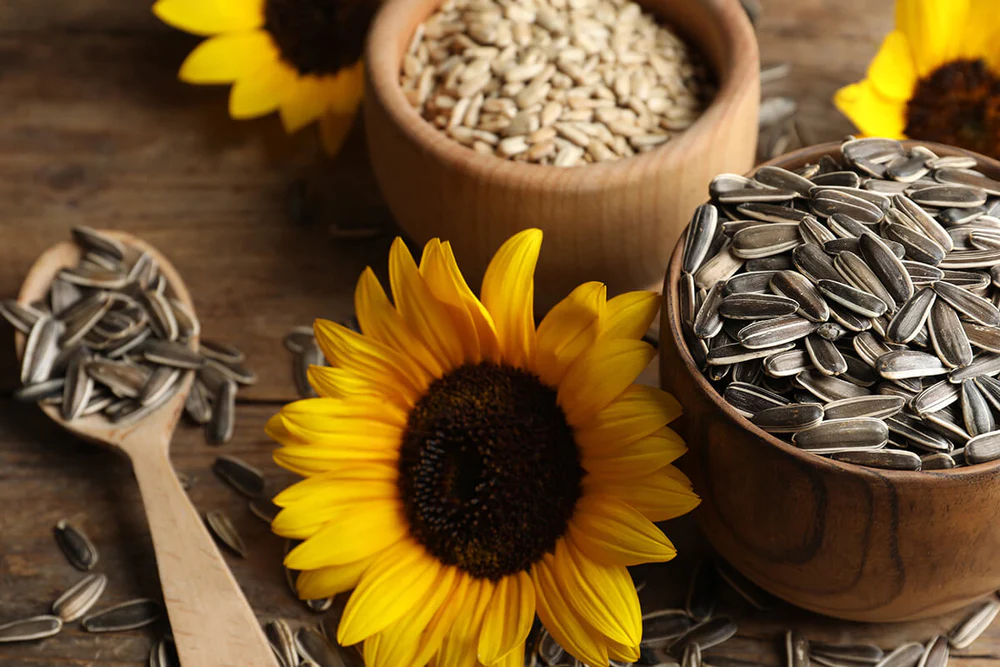
Sunflower seed composition is primarily defined by its lipid (oil) content (35-55%), protein (20-25%), carbohydrates (15-20%), and fiber (5-10%). The oil is predominantly comprised of linoleic acid (a polyunsaturated omega-6 fatty acid), oleic acid (a monounsaturated fatty acid), and palmitic acid. Protein content is heavily influenced by seed genetics and environmental conditions. The hull, or pericarp, is composed of cellulose and lignin, providing structural integrity and protection. Manufacturing begins with hybrid seed selection, prioritizing traits such as disease resistance (e.g., Sclerotinia head rot, rust), yield potential, and oil profile. Cultivation practices – including soil preparation, planting density, irrigation, and fertilization – profoundly influence seed quality. Harvesting typically occurs when the seed moisture content reaches 12-15%. Post-harvest processing involves cleaning, drying (to <10% moisture for storage), dehulling (optional, dependent on end-use), and grading. Critical parameters during drying include temperature control (<60°C to prevent oil degradation) and airflow to ensure uniform moisture removal. Dehulling efficiency is optimized through mechanical abrasion, minimizing kernel damage. Quality control at each stage involves assessing seed viability, oil content (using Soxhlet extraction or Near-Infrared Spectroscopy - NIRS), and contaminant levels (aflatoxins, heavy metals).
Performance & Engineering
The performance of sunflower seeds extends beyond compositional analysis to encompass their structural integrity and handling characteristics. Kernel hardness, measured using a shatter test, is a crucial parameter influencing dehulling efficiency and minimizing breakage during processing. Shear force analysis quantifies the force required to fracture the kernel, correlating with oil release during pressing. Environmental resistance is a significant engineering consideration. Seeds must withstand storage conditions – temperature fluctuations, humidity – without significant lipid oxidation or protein denaturation. Aflatoxin contamination, caused by Aspergillus flavus and Aspergillus parasiticus fungi, is a major food safety concern. Engineering controls, including proper drying, storage sanitation, and the use of antifungal treatments (where permitted), are critical for mitigating this risk. Compliance requirements vary by region but typically adhere to regulations set by organizations like the FDA (USA), EFSA (Europe), and FAO/WHO. Seed packaging materials must provide a barrier to moisture and oxygen to preserve seed viability and prevent rancidity. Transportation logistics must also consider temperature control to avoid degradation during transit. Furthermore, the mechanical properties of the seed – its coefficient of friction and angle of repose – impact the efficiency of conveying and sorting systems in processing facilities.
Technical Specifications
| Parameter | Unit | Specification (Standard Grade) | Specification (Premium Grade) |
|---|---|---|---|
| Oil Content (Dry Basis) | % | 40-44 | 46-50 |
| Protein Content (Dry Basis) | % | 18-22 | 22-25 |
| Kernel Moisture Content | % | <10 | <8 |
| Kernel Size (Diameter) | mm | 12-16 | 14-18 |
| Foreign Matter | % | <2 | <1 |
| Damaged Kernels | % | <5 | <3 |
Failure Mode & Maintenance
Sunflower seed failure modes can be categorized into biological, physical, and chemical degradations. Biological failure includes fungal contamination (aflatoxins, ochratoxins) leading to seed rejection and potential health risks. This is exacerbated by insufficient drying and inadequate storage sanitation. Physical failures encompass kernel cracking during handling and processing, resulting in oil loss and reduced market value. This can be mitigated through gentle handling equipment and optimized dehulling parameters. Lipid oxidation is a primary chemical degradation pathway, causing rancidity and off-flavors. This is accelerated by exposure to oxygen, light, and elevated temperatures. Antioxidant treatments (e.g., Vitamin E) can be employed to slow down oxidation. Another failure mode is germination failure if seeds are used for replanting. Maintaining seed viability requires controlled storage temperature and humidity. Preventative maintenance for processing equipment – cleaners, dryers, dehullers – is crucial to minimize seed damage. Regular cleaning of storage facilities and implementation of pest control measures are essential for preventing fungal growth and insect infestations. Monitoring seed quality parameters (oil content, moisture content, aflatoxin levels) throughout the supply chain is critical for identifying and addressing potential failure points before they escalate.
Industry FAQ
Q: What is the primary factor influencing aflatoxin contamination risk in sunflower seeds?
A: The primary factor is insufficient drying prior to storage. Moisture content above 10% creates an ideal environment for Aspergillus fungal growth and aflatoxin production. Coupled with warm temperatures and poor storage sanitation, the risk is significantly elevated.
Q: How does kernel hardness affect the efficiency of the oil extraction process?
A: Higher kernel hardness generally requires more energy for oil extraction (mechanical pressing or solvent extraction). However, excessively brittle kernels can lead to increased fines and reduced oil yield. An optimal hardness range maximizes oil release while minimizing processing losses.
Q: What are the implications of high free fatty acid (FFA) content in sunflower seed oil?
A: High FFA content indicates lipid hydrolysis, resulting from enzymatic activity or improper storage conditions. Elevated FFA levels reduce oil quality, increase refining costs, and can lead to off-flavors and reduced shelf life.
Q: What methods are used to determine the oil content of sunflower seeds and what are their respective accuracies?
A: Soxhlet extraction is a traditional, gravimetric method considered highly accurate (typically >99% accuracy). Near-Infrared Spectroscopy (NIRS) is a rapid, non-destructive method, but requires calibration against Soxhlet results for accurate predictions. NIRS accuracy typically falls within 1-2%.
Q: How do different sunflower seed varieties vary in their susceptibility to Sclerotinia head rot?
A: Susceptibility to Sclerotinia head rot varies significantly among sunflower seed varieties. Modern breeding programs focus on developing cultivars with improved resistance through the introduction of resistance genes. Certain hybrid varieties exhibit a higher degree of tolerance to the disease, minimizing yield losses and reducing the risk of mycotoxin contamination.
Conclusion
The production of high quality, low price sunflower seeds is a complex undertaking demanding rigorous attention to detail across the entire value chain. From precise genetic selection and optimized agronomic practices to meticulous post-harvest processing and storage protocols, each step plays a critical role in ensuring a safe, nutritious, and economically viable product. Maintaining oil content, minimizing contamination, and preserving seed viability are paramount objectives.
Future innovation will likely focus on developing even more disease-resistant varieties, improving oil profiles (e.g., high-oleic acid content), and refining post-harvest technologies to further enhance seed quality and reduce processing costs. Sustainable agricultural practices, including water conservation and reduced fertilizer use, will also become increasingly important to ensure long-term viability of sunflower seed production.
