Introduction
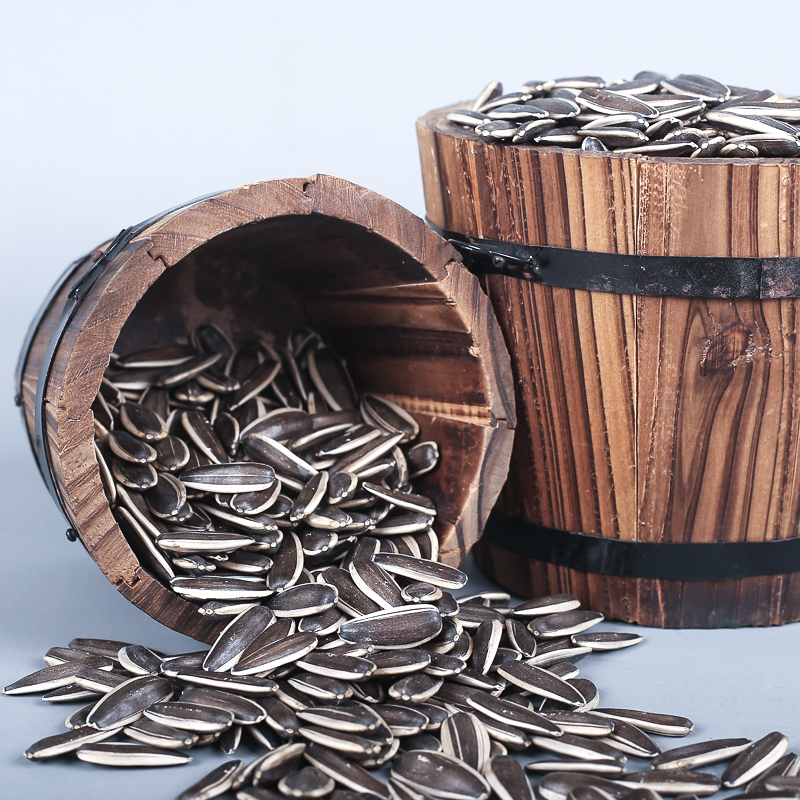
Hulled sunflower seeds, also known as sunflower kernels, represent a significant component within the global edible seed market, serving a diverse range of applications spanning direct human consumption, confectionery production, and as a vital ingredient in various food formulations. Technically positioned between primary agricultural production and final consumer products, their quality dictates not only palatability but also nutritional value and processing efficiency. High quality is defined by a combination of kernel size, oil content, protein concentration, absence of hull fragments, and low levels of undesirable compounds like free fatty acids. This guide provides an in-depth examination of these seeds, covering their material science, manufacturing processes, performance characteristics, potential failure modes, and relevant industry standards. A core industry pain point is maintaining consistent quality, mitigating aflatoxin contamination, and optimizing oil yield during processing, all of which are addressed within this document. The increasing demand for plant-based proteins and healthy fats further underscores the importance of understanding and controlling the properties of high quality hulled sunflower seeds.
Material Science & Manufacturing
Sunflower seeds ( Helianthus annuus) are composed primarily of oil (40-58% by weight), protein (18-25%), carbohydrates (10-20%), and fiber (5-10%). The oil is rich in linoleic acid, an essential omega-6 fatty acid. Protein content is characterized by a relatively balanced amino acid profile. The seed coat, or hull, is composed largely of cellulose and lignin, providing structural integrity. High quality hulled seeds necessitate a controlled dehulling process. Raw material selection is critical, prioritizing varieties bred for high oil content and low hull adhesion. Manufacturing typically involves cleaning, sizing, dehulling (either mechanically via impact or friction, or chemically via controlled softening), cleaning again to remove hull fragments, drying to achieve a moisture content of approximately 8-10%, and finally, color sorting and grading. Key parameter control during dehulling includes impact velocity, clearance between rollers, and moisture content of the seeds. Controlling these parameters minimizes kernel damage (cracking, chipping) and maximizes kernel recovery. Aflatoxin production by Aspergillus flavus is a significant concern, influenced by pre-harvest conditions (drought stress) and post-harvest handling (moisture content, storage temperature). Therefore, rigorous quality control measures, including regular aflatoxin testing, are mandatory. Heat treatment during roasting, a common post-processing step, must be carefully controlled to avoid lipid oxidation and the development of off-flavors.
Performance & Engineering
The performance of hulled sunflower seeds is critically linked to their mechanical strength and lipid stability. During handling and processing (e.g., conveying, packaging), the seeds are subjected to compressive and shear forces. Kernel breakage represents a significant quality loss, impacting both aesthetic appeal and process yield. Force analysis indicates that kernel strength is influenced by seed variety, moisture content, and the presence of micro-cracks. Environmental resistance is primarily related to oxidation of unsaturated fatty acids. Lipid oxidation leads to rancidity, characterized by unpleasant odors and flavors, and a reduction in nutritional value. This process is accelerated by exposure to oxygen, light, and elevated temperatures. Packaging materials with low oxygen permeability and opaque designs are therefore crucial for maintaining product quality. Compliance requirements include adherence to maximum permissible limits for aflatoxins (established by regulatory bodies like the FDA and EFSA), heavy metal contamination, and pesticide residues. Functional implementation, particularly in food applications, necessitates understanding the seeds’ emulsification properties (due to the phospholipid content) and their ability to contribute texture and flavor.
Technical Specifications
| Parameter | Unit | Specification (Grade A) | Typical Range |
|---|---|---|---|
| Kernel Size (Mean Diameter) | mm | 10-12 | 8-14 |
| Oil Content (Dry Basis) | % | >50 | 48-58 |
| Protein Content (Dry Basis) | % | >20 | 18-25 |
| Moisture Content | % | <10 | 8-12 |
| Free Fatty Acid (as Oleic Acid) | % | <0.5 | 0.2-0.8 |
| Aflatoxin B1 | ppb | <20 | 0-30 (depending on regulation) |
Failure Mode & Maintenance
Failure modes in hulled sunflower seeds manifest as quality degradation rather than catastrophic mechanical failure. Common issues include lipid oxidation (rancidity), evidenced by off-flavors and odors; kernel cracking and chipping, resulting from mechanical stress during handling; aflatoxin contamination, a biological hazard; and moisture absorption, leading to microbial growth and reduced shelf life. Fatigue cracking, while not directly applicable to the seeds themselves, can occur in processing equipment if not properly maintained. Delamination (separation of the kernel from its seed coat remnants) indicates improper dehulling or excessive handling. Degradation of oil quality is primarily due to oxidation, mitigated through antioxidant packaging and controlled storage temperatures. Maintenance solutions involve rigorous quality control at each stage of processing, including regular aflatoxin testing, monitoring moisture content, and implementing proper storage protocols (cool, dry, dark environment). Equipment maintenance, particularly of dehulling and sorting machinery, is crucial for minimizing kernel damage. Implementing a HACCP (Hazard Analysis and Critical Control Points) system is essential for preventing and controlling biological hazards like aflatoxin contamination. Periodic inventory rotation (FIFO – First In, First Out) is crucial for minimizing storage time and preventing quality degradation.
Industry FAQ
Q: What are the key factors influencing aflatoxin levels in hulled sunflower seeds?
A: Aflatoxin contamination is primarily influenced by pre-harvest drought stress, which weakens the plant's defense mechanisms, and post-harvest handling practices. High moisture content during storage, coupled with warm temperatures, promotes Aspergillus flavus growth and aflatoxin production. Proper drying, storage in low humidity environments, and regular testing are critical control measures.
Q: How does kernel size impact the oil yield during extraction?
A: Generally, larger kernels tend to have a higher oil content, leading to increased oil yield. However, the correlation isn't absolute, as oil content is also significantly influenced by seed variety and growing conditions. Consistent kernel size also facilitates more efficient processing and reduces oil loss during extraction.
Q: What packaging materials are best suited for maintaining the quality of hulled sunflower seeds?
A: Packaging materials with low oxygen permeability and good barrier properties against moisture are essential. Foil-lined pouches, multilayer films with EVOH (ethylene vinyl alcohol) layers, or modified atmosphere packaging (MAP) using nitrogen flushing are commonly employed to minimize oxidation and extend shelf life. Opaque packaging protects against light-induced degradation.
Q: What is the typical shelf life of properly stored hulled sunflower seeds?
A: Properly stored hulled sunflower seeds, packaged in appropriate materials and maintained at cool temperatures (below 20°C) and low humidity (below 60%), can typically maintain acceptable quality for 12-18 months. However, regular monitoring for rancidity and aflatoxin levels is recommended.
Q: What analytical methods are used to determine the quality of hulled sunflower seeds?
A: Common analytical methods include oil content determination (Soxhlet extraction), protein content determination (Kjeldahl method), moisture content analysis (oven drying), free fatty acid analysis (titration), aflatoxin analysis (HPLC with fluorescence detection), and peroxide value determination (to assess oxidation levels).
Conclusion
High quality hulled sunflower seeds represent a critical input for a broad spectrum of food applications. Achieving and maintaining this quality requires meticulous control throughout the entire value chain, from seed selection and agricultural practices to processing, packaging, and storage. Understanding the material science – the interplay between oil content, protein composition, and moisture levels – is paramount. Mitigating the risk of aflatoxin contamination remains a significant industry challenge demanding robust preventative measures and rigorous testing protocols.
Future advancements will likely focus on breeding programs aimed at developing sunflower varieties with inherently higher oil content, improved resistance to drought stress (reducing aflatoxin risk), and more easily hulled seeds. Furthermore, innovations in packaging technology, such as the development of bio-based barrier films, will contribute to enhanced product preservation and sustainability. Continued investment in quality control infrastructure and adherence to international standards are crucial for ensuring the consistent supply of high quality hulled sunflower seeds to meet growing global demand.
