Introduction
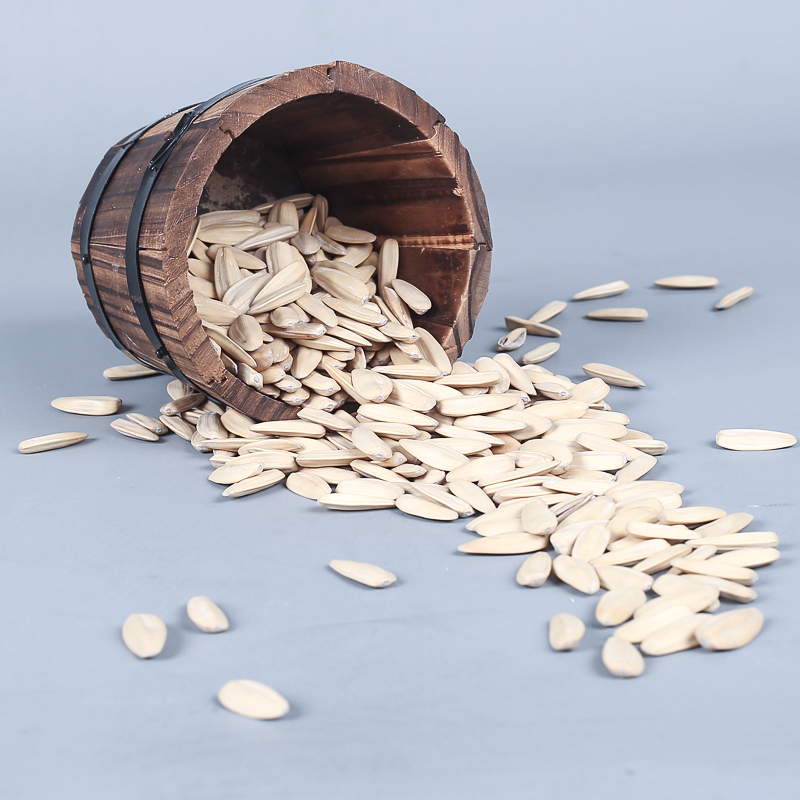
High quality healthy sunflower seeds ( Helianthus annuus ) represent a significant segment within the edible oilseed and snack food industries. Positioned between agricultural commodity trading and consumer packaged goods, sunflower seeds undergo rigorous selection, processing, and quality control to meet stringent nutritional and safety standards. Their core performance characteristics – oil content, protein levels, fatty acid profile, and kernel size – dictate their suitability for diverse applications, including direct human consumption, oil extraction, and animal feed. Currently, the industry faces challenges relating to aflatoxin contamination, genetic purity maintenance, and optimizing shelling efficiency while minimizing kernel damage. This guide provides an in-depth technical overview of sunflower seed quality parameters, manufacturing processes, potential failure modes, and relevant industry standards.
Material Science & Manufacturing
Sunflower seeds are composed primarily of oil (35-55%), protein (18-25%), carbohydrates (10-20%), and fiber (5-10%), along with trace minerals and vitamins. The oil’s fatty acid profile is crucial, with linoleic acid (omega-6) dominating, though high-oleic varieties are increasingly prevalent. Seed shell composition consists largely of cellulose, hemicellulose, and lignin, imparting structural integrity. Manufacturing begins with field cultivation and harvesting, impacting initial seed moisture content (typically 9-14%). Post-harvest drying is critical, typically employing forced-air systems maintaining temperatures below 40°C to prevent protein denaturation and oil oxidation. De-hulling separates the kernel from the shell, utilizing mechanical impact and friction; this is a key parameter controlling yield and kernel damage. Grading classifies seeds based on size, density, and visual defects. Further processing involves cleaning (removing foreign material), polishing (enhancing appearance), and sometimes coating (for flavoring or preservation). The control of seed moisture content throughout processing is paramount; excess moisture promotes fungal growth and aflatoxin production. Selection of seed varieties exhibiting inherent resistance to common sunflower diseases (e.g., rust, downy mildew) is a proactive manufacturing strategy. Genetic modification, aiming for enhanced oil content and disease resistance, necessitates strict regulatory compliance and traceability procedures.
Performance & Engineering
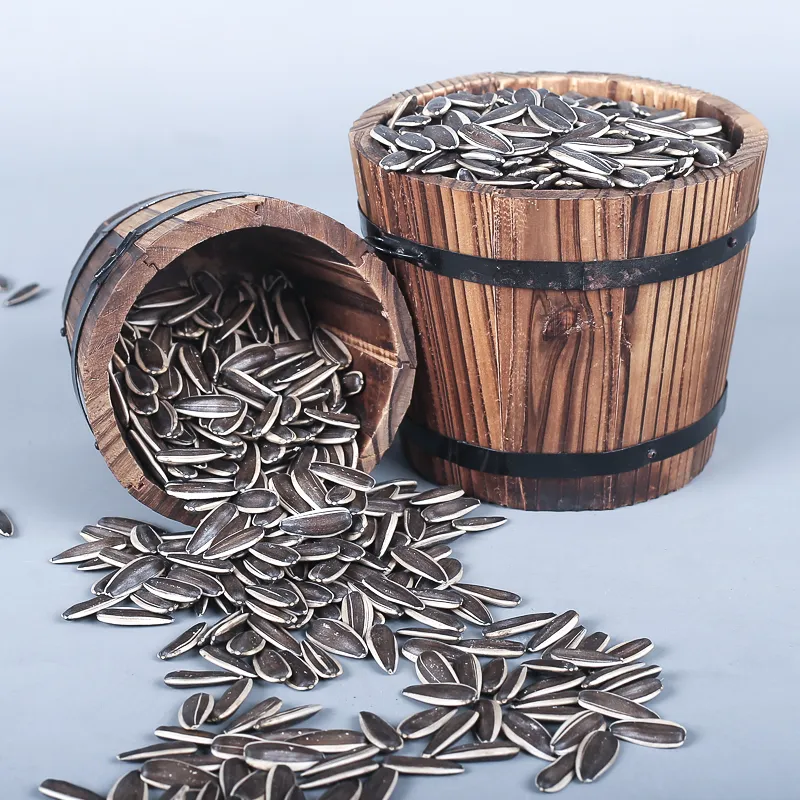
Sunflower seed performance is evaluated based on several engineering principles. Shelling efficiency, calculated as the percentage of kernels successfully removed from the shell, is a key performance indicator, impacted by seed moisture, shell thickness, and impact force. Kernel hardness, measured using durometers, influences milling characteristics and oil extraction yield. Oil extraction efficiency, often utilizing mechanical pressing and solvent extraction (hexane), is governed by seed preparation (flaking, heating) and solvent-to-seed ratio. Storage stability is critically dependent on controlling oxygen exposure, temperature, and moisture content. The rancidity development rate, measured by peroxide value (PV) and anisidine value (AV), quantifies lipid oxidation. Package barrier properties, particularly oxygen transmission rate (OTR), are crucial for maintaining product quality during extended shelf life. Furthermore, the structural integrity of the seed itself – tensile strength and resistance to cracking – impacts handling during processing and transportation. Finite element analysis (FEA) can model stress distribution during shelling and predict optimal impact parameters to minimize kernel damage. Compliance with food safety regulations, including limits on heavy metal contamination (lead, cadmium) and pesticide residues, requires rigorous analytical testing and adherence to Good Manufacturing Practices (GMP).
Technical Specifications
| Parameter | Unit | Standard Grade | High Quality Grade |
|---|---|---|---|
| Oil Content (Dry Basis) | % | 40-45 | 50-55 |
| Protein Content (Dry Basis) | % | 15-20 | 20-25 |
| Moisture Content | % | ≤ 10 | ≤ 8 |
| Kernel Size (Screen Size) | mm | 10/64 inch | 9/64 inch or larger |
| Foreign Material | % | ≤ 2 | ≤ 1 |
| Aflatoxin B1 | ppb | ≤ 20 | ≤ 5 |
Failure Mode & Maintenance
Sunflower seed failure modes encompass physical damage, chemical degradation, and biological contamination. Physical damage includes kernel cracking during shelling and transportation, leading to oil leakage and reduced market value. Chemical degradation primarily manifests as lipid oxidation (rancidity), accelerated by exposure to oxygen, light, and elevated temperatures. This is indicated by increased peroxide and anisidine values. Aflatoxin contamination, caused by Aspergillus flavus and Aspergillus parasiticus fungi, presents a significant health hazard. Preventative measures include strict control of seed moisture during storage, proper ventilation, and the application of antifungal treatments. Insect infestation (e.g., storage beetles) can also lead to quality deterioration and contamination. Maintenance of processing equipment – particularly shellers and dryers – is crucial to minimize mechanical damage. Regular cleaning and lubrication prevent build-up of seed debris and reduce friction, extending equipment lifespan and maintaining consistent performance. Implement a robust HACCP (Hazard Analysis and Critical Control Points) plan throughout the entire process, from harvest to storage, to identify and mitigate potential risks. Predictive maintenance, utilizing vibration analysis and thermal imaging, can identify potential equipment failures before they occur.
Industry FAQ
Q: What is the significance of the fatty acid profile in sunflower seeds, and how does it impact applications?
A: The fatty acid profile dictates the seed's suitability for various applications. High-oleic sunflower seeds, with a linoleic acid content below 10%, exhibit superior oxidative stability, making them ideal for frying oils and high-temperature applications. Conversely, linoleic-rich seeds are preferred for nutritional oils and margarines, providing essential omega-6 fatty acids. The ratio of linoleic to oleic acid is a critical quality parameter for food manufacturers.
Q: How do you mitigate the risk of aflatoxin contamination in sunflower seeds?
A: Aflatoxin mitigation requires a multi-faceted approach. This includes sourcing seeds from regions with low aflatoxin prevalence, implementing strict drying protocols to maintain moisture content below 10%, utilizing proper storage facilities with good ventilation and temperature control, and employing effective sanitation practices to prevent fungal growth. Pre-harvest applications of certain bio-control agents are also being investigated.
Q: What are the key factors influencing shelling efficiency and minimizing kernel damage?
A: Shelling efficiency is significantly impacted by seed moisture content, shell thickness, and the impact force applied during shelling. Optimal moisture content is around 9-11%. Shell thickness varies by variety. Controlling the impact force – optimizing sheller speed and clearance settings – is crucial to minimize kernel cracking and damage. Regular maintenance of shelling equipment is also vital.
Q: How does seed variety selection impact overall product quality and yield?
A: Seed variety selection is paramount. Different varieties exhibit varying levels of oil content, protein content, disease resistance, and shell thickness. Choosing varieties suited to the specific growing region and end-use application maximizes yield and ensures consistent product quality. Hybrid varieties often offer improved performance characteristics compared to open-pollinated varieties.
Q: What analytical methods are used to assess sunflower seed quality and ensure compliance with food safety standards?
A: Analytical methods include determination of oil content (solvent extraction), protein content (Kjeldahl method), moisture content (oven drying), fatty acid profile (gas chromatography), aflatoxin levels (HPLC), heavy metal content (atomic absorption spectroscopy), and pesticide residues (gas chromatography-mass spectrometry). These analyses are performed according to established standards (e.g., AOAC International) to ensure accuracy and reliability.
Conclusion
The production of high quality healthy sunflower seeds necessitates a comprehensive understanding of material science, manufacturing processes, and quality control parameters. Optimizing shelling efficiency, mitigating aflatoxin contamination, and controlling lipid oxidation are crucial challenges facing the industry. Selecting appropriate seed varieties, implementing rigorous drying and storage protocols, and employing advanced analytical techniques are essential for maintaining product integrity and ensuring compliance with stringent food safety regulations.
Future advancements in sunflower seed technology will likely focus on genetic engineering to enhance oil content, disease resistance, and shelf life, alongside the development of more efficient and sustainable processing methods. The integration of data analytics and predictive modeling will further optimize manufacturing processes and improve quality control, ensuring a consistent supply of high-quality sunflower seeds to meet growing global demand.
