Introduction
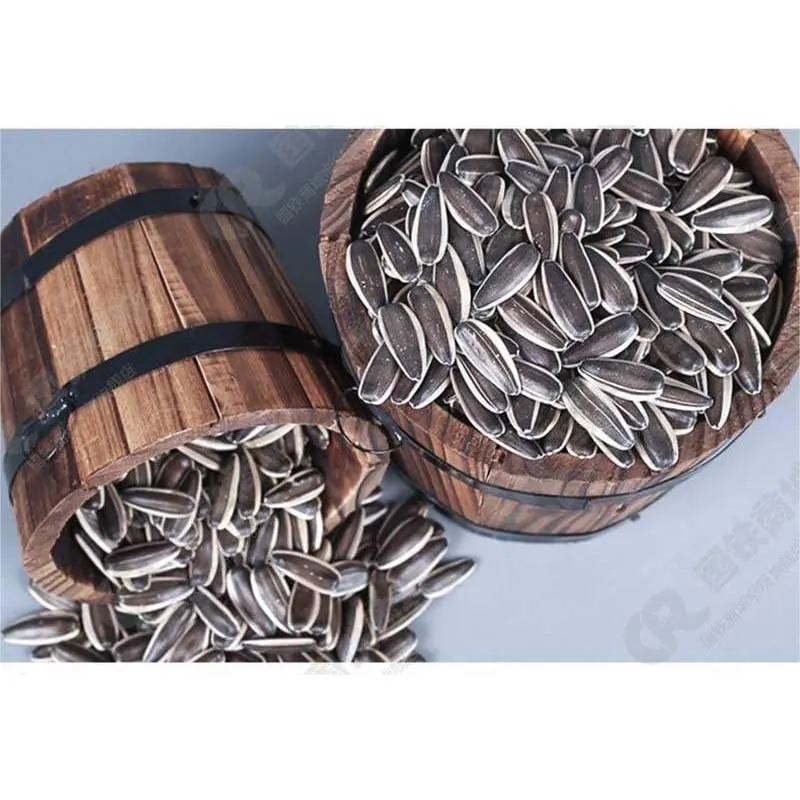
High quality green tea flavor sunflower seeds represent a specialized segment within the broader snack food industry, positioned as a healthier, flavored alternative to traditional confectionery items. These seeds are typically produced by coating sunflower kernels with a seasoning blend incorporating green tea extract, sugar, and various flavor enhancers. Their technical positioning lies at the intersection of agricultural processing, food chemistry, and flavor technology. Core performance characteristics revolve around flavor profile consistency, kernel integrity, shelf life stability, and adherence to stringent food safety regulations. The appeal is driven by the perceived health benefits of both sunflower seeds (source of Vitamin E, magnesium, and healthy fats) and green tea (antioxidant properties). Achieving a balanced flavor profile—avoiding excessive sweetness or artificial tastes—and maintaining seed crispness throughout the product's lifecycle are primary technical challenges.
Material Science & Manufacturing
The primary raw material is the sunflower kernel, specifically those with a high oil content (typically 40-50%) and minimal kernel defects. Kernel quality directly impacts flavor adhesion and overall product texture. Manufacturing begins with kernel cleaning, grading (based on size and density), and often dehulling. The core manufacturing process involves a multi-stage coating application. Initially, a binding agent – commonly a modified food starch or maltodextrin solution – is applied to the kernels to ensure the flavoring adheres effectively. This is followed by a series of seasoning applications, incorporating powdered green tea extract (varying in polyphenol content depending on grade), sugar (sucrose, dextrose, or fructose), salt, and flavor enhancers like citric acid and potentially, natural or artificial flavorings. The coating process can be performed in rotating drum coaters or fluidized bed systems. Precise control of drum speed, coating solution viscosity, and application rate are critical parameters. Post-coating, the seeds undergo drying, typically utilizing a controlled temperature air dryer to reduce moisture content to below 3% for optimal shelf stability. A final polishing step may be employed to remove any residual coating dust. Chemical compatibility between the coating ingredients and the sunflower oil within the kernel is a key consideration to prevent rancidity or flavor degradation. The green tea extract itself is susceptible to oxidation; therefore, packaging with oxygen barriers is essential.
Performance & Engineering
The performance of green tea flavored sunflower seeds is evaluated across several key engineering parameters. Force analysis during packaging (compression strength of the seeds) is vital to minimize breakage during transit and handling. Environmental resistance, particularly humidity, is critical. Moisture ingress can lead to softening of the seeds, clumping of the coating, and accelerated flavor degradation. Therefore, packaging materials must exhibit low Water Vapor Transmission Rates (WVTR). The adhesion strength of the coating to the kernel is a significant factor; insufficient adhesion results in flavor loss during handling. This adhesion is influenced by the surface tension of the coating solution and the kernel surface morphology. Compliance requirements include adherence to food safety standards (HACCP, GMP), labeling regulations regarding allergen information and nutritional content, and limits on heavy metal contamination (lead, cadmium). Flavor release kinetics – the rate at which the green tea flavor is perceived – is also an important aspect. This is impacted by the particle size of the green tea extract and the porosity of the coating. Sensory evaluation, utilizing trained panels, is employed to assess flavor intensity, balance, and overall acceptability. The seed's water activity (Aw) must be controlled below 0.6 to inhibit microbial growth and maintain product safety.
Technical Specifications
| Parameter | Unit | Specification | Test Method |
|---|---|---|---|
| Moisture Content | % (w/w) | ≤ 3.0 | Karl Fischer Titration (GB/T 5005-2008) |
| Green Tea Extract Content | % (w/w) | 0.8 – 1.5 | HPLC-DAD |
| Oil Content (Kernel) | % (w/w) | 45 – 55 | Soxhlet Extraction (GB/T 5005-2008) |
| Coating Uniformity | Visual Scale (1-5) | ≥ 4.0 (1=Poor, 5=Excellent) | Sensory Evaluation |
| Water Activity (Aw) | - | ≤ 0.6 | Water Activity Meter (ASTM E337) |
| Packaging WVTR | g/m²/day | < 5.0 | ASTM E96 |
Failure Mode & Maintenance
Failure modes in green tea flavored sunflower seeds commonly include flavor degradation, coating delamination, rancidity, and kernel breakage. Flavor degradation is often caused by oxidation of the green tea extract, accelerated by exposure to oxygen, light, and elevated temperatures. Coating delamination occurs due to insufficient adhesion between the coating and the kernel, typically stemming from improper coating application parameters or incompatibility between coating components. Rancidity results from oxidation of the unsaturated fatty acids in the sunflower oil; effective packaging and antioxidant addition are critical preventative measures. Kernel breakage occurs during handling, processing, or transportation, and is influenced by seed size, moisture content, and impact forces. Maintenance primarily centers around proper storage conditions: cool (≤ 20°C), dry (≤ 60% RH), and protected from light. Packaging integrity is paramount; damaged packaging should be immediately discarded. Shelf life studies should be conducted to determine the optimal “best before” date. Regular quality control checks, including sensory evaluation and moisture content analysis, are essential to identify and address potential issues before they escalate. Implementing a First-In, First-Out (FIFO) inventory management system minimizes the risk of exceeding the product’s shelf life.
Industry FAQ
Q: What is the primary factor affecting the shelf life of these seeds?
A: The primary factor is oxygen exposure leading to oxidation of the sunflower oil and green tea polyphenols. Effective packaging with a low oxygen transmission rate is crucial, alongside the possible inclusion of antioxidants within the coating formulation.
Q: How can we ensure consistent flavor intensity across batches?
A: Consistent flavor intensity requires strict control over the green tea extract content, the particle size of the extract, and precise weighing and mixing of all coating ingredients. Regular calibration of dispensing equipment and thorough batch testing are also essential.
Q: What is the ideal moisture content for long-term storage?
A: The ideal moisture content is below 3.0% (w/w). Higher moisture levels promote microbial growth, accelerate flavor degradation, and can cause the seeds to clump together.
Q: What coating technologies are most effective for maximizing flavor adhesion?
A: Fluidized bed coating systems generally provide superior coating uniformity and adhesion compared to drum coaters, especially when utilizing modified starch or maltodextrin-based binding agents. Precise control of air flow and spray parameters is essential.
Q: What are the critical food safety considerations during production?
A: Critical food safety considerations include adhering to HACCP principles, implementing GMP practices, controlling for heavy metal contamination (especially in the green tea extract), and preventing cross-contamination with allergens. Regular sanitation of equipment and thorough pest control are also vital.
Conclusion
High quality green tea flavor sunflower seeds present a complex manufacturing challenge requiring meticulous control over material properties, processing parameters, and packaging. Maintaining consistent flavor, ensuring long-term stability, and adhering to stringent food safety regulations are paramount. The interplay between the sunflower kernel's oil content, the green tea extract’s quality, and the coating formulation’s composition dictates the final product’s characteristics.
Future development opportunities lie in exploring novel coating technologies – such as microencapsulation of the green tea extract to enhance its protection from oxidation – and utilizing more sustainable packaging materials with improved barrier properties. Further research into the optimal particle size and release kinetics of the green tea flavor could also enhance the sensory experience and consumer appeal.
