Introduction
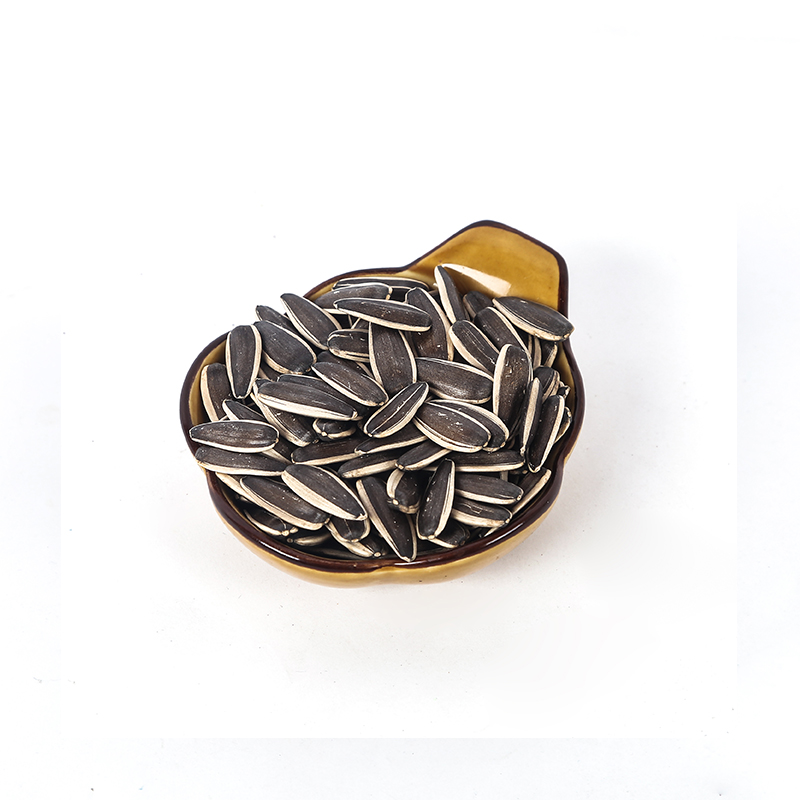
High-quality fried sunflower seeds represent a significant segment within the broader snack food industry, demanding precise control over sourcing, processing, and quality assurance. These seeds, derived from Helianthus annuus, are consumed globally as a convenient and nutritionally dense snack. Their position within the food supply chain involves agricultural production, post-harvest handling, processing (cleaning, dehulling, frying, seasoning), packaging, and distribution. Core performance attributes include consistent kernel size, low moisture content, optimal oil absorption during frying, desirable flavor profile, and extended shelf life. A primary industry pain point centers around maintaining consistent seed quality across varying harvests, mitigating acrylamide formation during frying, and ensuring compliance with food safety regulations. This guide will provide a comprehensive technical overview of high-quality fried sunflower seed production, examining material science, manufacturing processes, performance characteristics, potential failure modes, and relevant industry standards.
Material Science & Manufacturing
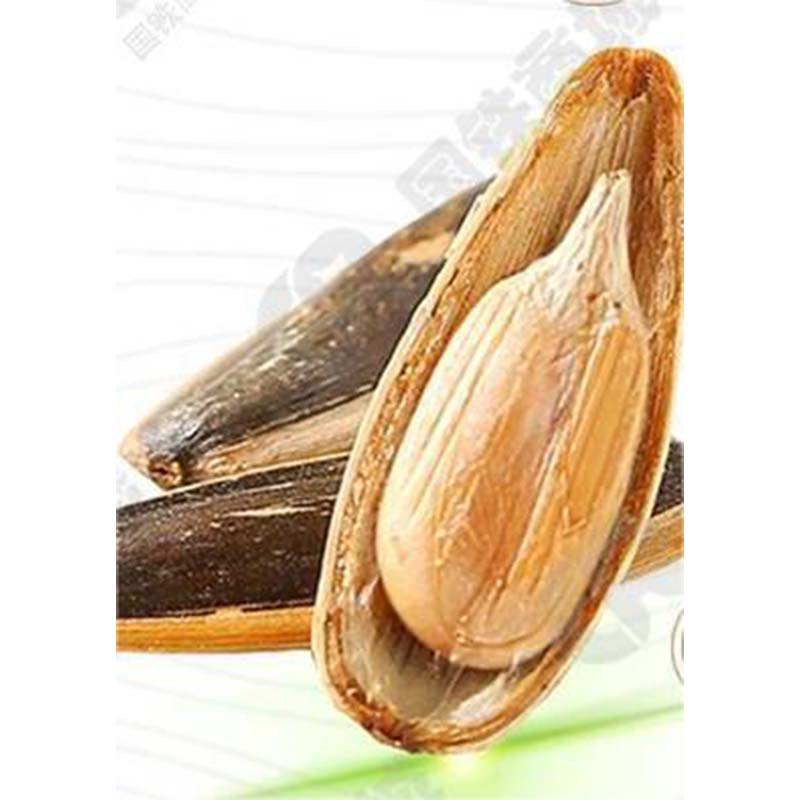
Sunflower seeds consist of a hull (pericarp), kernel (cotyledon), and embryo. The kernel contains approximately 50-65% oil, primarily linoleic acid (a polyunsaturated omega-6 fatty acid), along with proteins, carbohydrates, vitamins (E, B complex), and minerals (magnesium, selenium). Hull composition is largely cellulose and lignin. Raw sunflower seed quality is critical, characterized by oil content, moisture content (typically 9-12%), and freedom from defects (mold, insect damage). Manufacturing begins with cleaning and grading to remove foreign matter. Dehulling, mechanically removing the hull, is a crucial step affecting final product appearance and texture. Frying, typically using refined vegetable oils (sunflower, palm, canola) at temperatures between 140-180°C, develops the characteristic flavor and crispy texture. Critical parameters include oil temperature control (to minimize acrylamide formation), frying time (affecting moisture content and oil absorption), and oil turnover rate (to maintain oil quality). Seasoning, applying salt, spices, or coatings, is the final processing stage. Packaging utilizes materials offering barrier protection against moisture, oxygen, and light to maintain freshness and prevent rancidity. Post-frying cooling must be rapid and uniform to prevent condensation and microbial growth. Controlling seed moisture content post-frying (typically <1.5%) is essential for extended shelf life.
Performance & Engineering
The mechanical properties of fried sunflower seeds are critical to consumer acceptance. Kernel hardness, measured by compression testing, dictates the perceived “crunchiness”. Oil absorption, quantified as the increase in weight after frying, influences flavor delivery and mouthfeel. Shear force analysis determines the force required to fracture a kernel, correlating with crispness. Environmental resistance is primarily focused on moisture uptake, which leads to softening and rancidity. Packaging materials are selected to minimize water vapor transmission rate (WVTR). Oxygen permeability is also a factor, contributing to oxidative degradation of the oils. Compliance requirements include adherence to food safety standards (HACCP, GMP), allergen labeling regulations, and limits on acrylamide levels (established by regulatory bodies like the FDA and EFSA). Functional implementation concerns the even distribution of seasoning and prevention of clumping. Engineering considerations include fryer design for uniform heat distribution, cooling systems for rapid temperature reduction, and packaging machinery for precise filling and sealing.
Technical Specifications
| Parameter | Unit | Specification | Test Method |
|---|---|---|---|
| Moisture Content (Kernel) | % | ≤ 1.5 | Oven Drying Method (AOAC) |
| Oil Content (Kernel) | % | 50-65 | Soxhlet Extraction |
| Acrylamide Content | µg/kg | ≤ 100 (Regulatory Limit Dependent) | GC-MS |
| Kernel Hardness | N | 10-30 | Compression Testing |
| Salt Content | % | 1.0-2.5 (Adjustable per Flavor) | Titration |
| Peroxide Value (Oil) | meq O2/kg | ≤ 5.0 | Titrimetric Method |
Failure Mode & Maintenance
Common failure modes include rancidity (due to lipid oxidation), softening (caused by moisture absorption), textural degradation (loss of crispness), and color changes. Rancidity is accelerated by exposure to oxygen, light, and high temperatures. Preventative maintenance involves proper storage of raw materials and finished products in airtight, opaque containers. Regular monitoring of oil quality (peroxide value, acid value) is crucial. Equipment maintenance includes cleaning fryers to remove accumulated sediment, inspecting heating elements for uniform performance, and calibrating weighing and packaging equipment. Kernel cracking during frying can result from excessive temperature or uneven heating. Delamination (separation of kernel layers) can occur if seeds are fried too quickly or unevenly. Packaging failures, such as seal defects, lead to moisture ingress and product spoilage. Regular inspection of packaging materials and sealing equipment is essential. Preventive measures for acrylamide formation include optimizing frying temperature and time, controlling seed moisture content, and using appropriate oil turnover rates. A robust quality control system, including regular sensory evaluation, is vital for identifying and addressing potential issues.
Industry FAQ
Q: What factors contribute most significantly to acrylamide formation during the frying process?
A: Acrylamide formation is primarily influenced by frying temperature, frying time, seed moisture content, and the concentration of reducing sugars (primarily glucose and fructose) in the seed. Higher temperatures and longer frying times increase acrylamide formation. Lower seed moisture content can exacerbate the issue. Controlling these parameters through precise process control is paramount.
Q: How can we ensure consistent kernel size and quality across different sunflower seed harvests?
A: Seed sourcing is critical. Establishing long-term relationships with reputable growers who employ consistent agricultural practices is essential. Implement rigorous incoming inspection procedures, including screening for seed size, oil content, and damage. Blending seeds from different sources can help to achieve a more consistent profile. Proper storage conditions (temperature and humidity control) are also important.
Q: What are the key considerations for selecting packaging materials to maximize shelf life?
A: Packaging materials should exhibit low oxygen permeability (OTR) and low water vapor transmission rate (WVTR) to prevent oxidative rancidity and softening. Metallized films or multi-layer laminates are commonly used. The material should also be resistant to oil penetration and provide a hermetic seal. Consider using nitrogen flushing to displace oxygen within the package.
Q: What are the primary methods for monitoring and controlling oil quality during the frying process?
A: Regular monitoring of the oil's peroxide value, acid value, and color is essential. Filtering the oil to remove sediment and particulate matter is crucial. Maintaining a consistent oil turnover rate (replacing a percentage of the oil regularly) helps to prevent the buildup of degradation products. Monitoring frying temperature is also vital.
Q: What quality control tests are recommended for ensuring product safety and consistency?
A: Recommended tests include moisture content analysis, oil content analysis, acrylamide testing, salt content analysis, peroxide value determination, sensory evaluation (taste, texture, appearance), and microbiological testing (to ensure absence of harmful pathogens). Regular calibration of testing equipment is essential.
Conclusion
The production of high-quality fried sunflower seeds requires a nuanced understanding of material science, meticulous process control, and rigorous quality assurance protocols. Maintaining consistent seed quality, minimizing acrylamide formation, and extending shelf life are paramount challenges. By implementing the principles outlined in this guide – from careful seed sourcing and optimized frying parameters to appropriate packaging selection and proactive maintenance – manufacturers can consistently deliver a product that meets consumer expectations and adheres to stringent food safety standards.
Future advancements in sunflower seed processing may involve the development of novel frying technologies (e.g., microwave-assisted frying) to reduce acrylamide formation and improve energy efficiency. The use of predictive modeling and machine learning to optimize process parameters based on seed characteristics could further enhance product quality and consistency. Continued research into packaging materials with enhanced barrier properties will be critical for extending shelf life and reducing food waste.
