Introduction
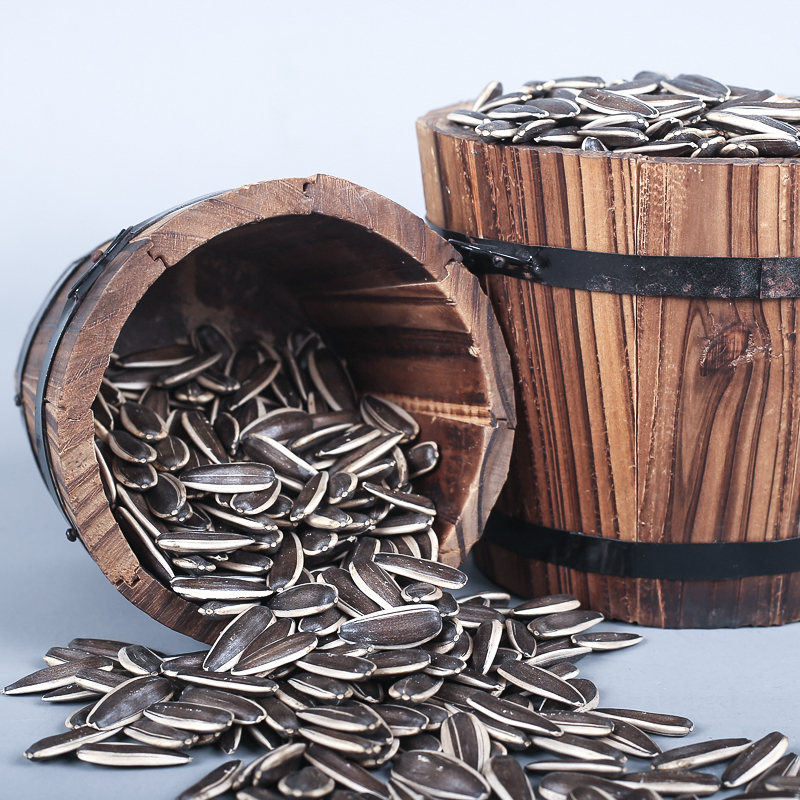
High quality fried sunflower seeds represent a significant segment within the global snack food industry, positioned between raw agricultural output and consumer-packaged goods. The process of transforming raw sunflower seeds into a palatable, shelf-stable product involves careful control of several key variables including seed variety, oil absorption during frying, seasoning application, and packaging. This guide details the technical considerations governing the production of premium fried sunflower seeds, focusing on quality control, process optimization, and relevant industry standards. Core performance characteristics include optimal oil content (typically 25-35% by weight), consistent kernel size and shape, minimal shell fragments, and a defined flavor profile achieved through precise seasoning formulations. A significant pain point for manufacturers is achieving consistent product quality while minimizing oil uptake, reducing the risk of rancidity and extending shelf life. Another critical challenge involves managing acrylamide formation during the frying process, a regulated concern for food safety.
Material Science & Manufacturing
The raw material, sunflower seeds ( Helianthus annuus ), exhibit significant variation in composition depending on cultivar, growing conditions, and harvesting practices. Key components include the kernel (approximately 50-60% oil content, primarily linoleic acid), the hull (approximately 20-30% cellulose and hemicellulose), and protein (approximately 15-25%). Oil quality, measured by parameters like peroxide value and fatty acid profile, directly influences the final product’s flavor and shelf life. Manufacturing begins with cleaning and grading the seeds, removing foreign material and separating kernels based on size and density. Pre-treatment often involves controlled hydration to optimize oil absorption during frying. The frying process, typically conducted in continuous fryers using refined vegetable oils (sunflower, palm, or canola), is the critical step. Temperature control (140-180°C) is paramount to achieve desired crispness without inducing excessive oil uptake or acrylamide formation. Oil penetration is governed by Fick’s laws of diffusion, influenced by seed moisture content, oil temperature, and frying time. Following frying, seeds are de-oiled via centrifugation or vacuum drying to remove surface oil. Seasoning application, typically employing a tumble-coating process, ensures even distribution of salt, spices, and flavor enhancers. Finally, packaging in moisture-barrier films (e.g., metallized polypropylene) is crucial to maintain product freshness and prevent oxidative degradation.
Performance & Engineering
Performance evaluation of fried sunflower seeds necessitates a multi-faceted approach. Mechanical properties, such as kernel hardness and shell fracture strength, impact processing efficiency and consumer experience. Force analysis during shelling demonstrates the energy required to break the hull, influencing throughput rates in automated production lines. Environmental resistance, particularly moisture sensitivity, dictates packaging requirements and shelf life. The water activity (Aw) of the finished product must be maintained below 0.6 to inhibit microbial growth. Compliance requirements encompass food safety regulations (e.g., FDA in the US, EFSA in Europe) pertaining to oil quality, acrylamide levels, and permissible food additives. Functional implementation focuses on optimizing the frying process to minimize oil absorption. This involves analyzing heat transfer coefficients, mass transfer rates, and fluid dynamics within the fryer. Mathematical modeling, utilizing computational fluid dynamics (CFD), can predict oil uptake and temperature distribution, guiding process parameter optimization. Furthermore, the structural integrity of the seed during frying is critical; excessive thermal stress can lead to cracking and breakage, affecting product appearance and quality. Finite element analysis (FEA) can be employed to assess stress distribution within the seed kernel during the heating process.
Technical Specifications
| Parameter | Unit | Typical Value (High Quality) | Acceptable Range |
|---|---|---|---|
| Oil Content | % (by weight) | 30 | 25-35 |
| Moisture Content | % (by weight) | 3.5 | 2.5-4.5 |
| Acrylamide Content | µg/kg | <80 | <150 (Regulatory Limit) |
| Peroxide Value (Oil) | meq O2/kg | <2.0 | <5.0 (Acceptable) |
| Kernel Size (Average) | mm | 10-12 | 8-14 |
| Shell Fragment Content | % (by weight) | <2 | <5 (Acceptable) |
Failure Mode & Maintenance
Failure modes in fried sunflower seeds primarily relate to quality degradation over time. Rancidity, caused by lipid oxidation, is a common issue, resulting in off-flavors and reduced shelf life. This is accelerated by exposure to oxygen, light, and elevated temperatures. Another failure mode is texture degradation – loss of crispness due to moisture absorption. Shell fragments can cause dental discomfort and are considered a quality defect. Furthermore, acrylamide formation, while minimized during processing, can still occur over time, potentially exceeding regulatory limits. Maintenance protocols include regular fryer oil filtration to remove particulate matter and oxidation products. Monitoring oil quality (peroxide value, free fatty acids) is essential. Implementing a robust packaging strategy utilizing moisture-barrier films and nitrogen flushing minimizes oxygen exposure. Regular quality control checks, including sensory evaluation (taste, aroma, texture) and chemical analysis (oil content, acrylamide levels), are crucial for identifying and addressing potential issues. Preventative maintenance of frying equipment, including temperature sensors and control systems, ensures consistent process parameters. Storage conditions – cool, dry, and dark – are critical for maximizing product shelf life.
Industry FAQ
Q: What is the optimal oil temperature for maximizing crispness while minimizing oil absorption in fried sunflower seeds?
A: The optimal oil temperature generally falls within the range of 170-180°C (338-356°F). Higher temperatures promote rapid dehydration and crisping, but also increase the risk of excessive oil uptake and acrylamide formation. Lower temperatures result in slower drying and potentially greasy seeds. Precise control and monitoring of oil temperature, alongside frying time, are crucial for achieving the desired balance.
Q: How can acrylamide formation be effectively minimized during the frying process?
A: Acrylamide formation is influenced by several factors. Minimizing reducing sugar content in the raw seeds through selection of appropriate cultivars helps. Lowering the frying temperature (within acceptable limits) reduces acrylamide formation, as does controlling the seed's moisture content before frying. The use of antioxidants in the oil can also provide some mitigation.
Q: What are the key considerations for selecting a packaging material to maintain product freshness and prevent rancidity?
A: A packaging material with a low oxygen transmission rate (OTR) and a low water vapor transmission rate (WVTR) is essential. Metallized polypropylene or multilayer films incorporating polyethylene (PE) and ethylene vinyl alcohol (EVOH) are commonly used. Nitrogen flushing before sealing further reduces oxygen levels inside the package.
Q: What methods are used to quantify oil absorption during the frying process?
A: Oil absorption is typically determined gravimetrically. A known weight of raw seeds is fried for a specific duration, and then cooled and centrifuged to remove surface oil. The difference in weight before and after frying, expressed as a percentage of the initial seed weight, represents the oil absorption rate.
Q: What is the significance of peroxide value in evaluating the quality of the frying oil?
A: Peroxide value (PV) is a primary indicator of oil oxidation and rancidity. It measures the concentration of peroxides and hydroperoxides, which are initial products of lipid oxidation. A higher PV indicates a greater degree of oxidation and a decline in oil quality. Regular monitoring of PV is essential for determining when the frying oil needs to be replaced.
Conclusion
The production of high quality fried sunflower seeds is a complex process requiring meticulous control over raw material selection, manufacturing parameters, and packaging strategies. Optimizing frying temperature and time, minimizing oil absorption, and preventing rancidity are critical challenges. Understanding the underlying material science and engineering principles is crucial for achieving consistent product quality and meeting stringent food safety regulations. By implementing robust quality control measures and employing advanced analytical techniques, manufacturers can consistently deliver a superior product to consumers.
Future advancements in fried sunflower seed processing are likely to focus on reducing acrylamide formation through innovative frying technologies and enzyme treatments. Sustainable sourcing of raw materials and eco-friendly packaging solutions are also gaining increasing importance. Continued research into optimizing oil absorption and extending shelf life will further enhance the competitiveness of this established snack food segment.
