Introduction
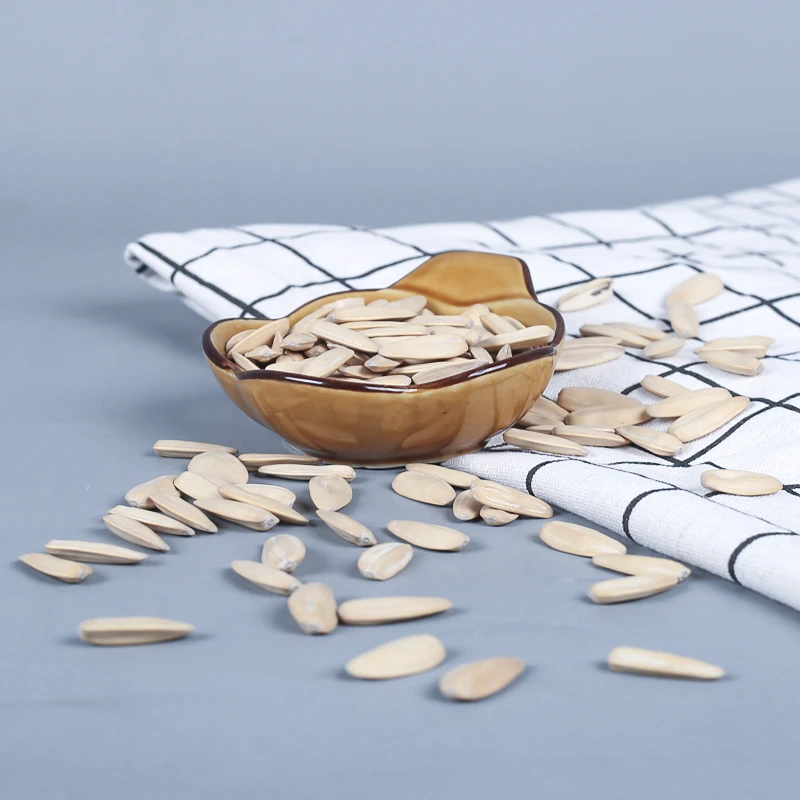
High quality fried melon seeds represent a significant segment within the prepared snack food industry, specifically categorized under seed-based confectionery. Technically positioned between agricultural commodity processing and consumer packaged goods, they require stringent quality control throughout the entire value chain. Core performance attributes defining 'high quality' encompass kernel fullness, minimal shell fragmentation, consistent frying resulting in optimal color and crispness, balanced seasoning adhesion, and, critically, low levels of acrylamide and other potentially harmful compounds generated during the frying process. The industry is currently experiencing growth driven by consumer demand for convenient, flavorful, and relatively healthy snack options. A key pain point for manufacturers lies in consistently achieving these quality attributes while maintaining cost-effectiveness and meeting increasingly rigorous food safety regulations. Furthermore, extending shelf life and preventing rancidity remain ongoing challenges.
Material Science & Manufacturing
The primary raw material is the melon seed ( Cucurbita pepo ), specifically cultivars selected for large kernel size and high oil content. Kernel composition consists primarily of lipids (40-50% by weight, predominantly linoleic acid), proteins (20-25%), carbohydrates (10-15%), and moisture (5-10%). The shell, composed of cellulose and lignin, requires a controlled pre-treatment process. Manufacturing begins with cleaning and grading of the raw seeds, followed by a drying stage to reduce moisture content to approximately 8-10% to optimize frying. The critical step is frying, typically conducted in vegetable oil (palm oil, sunflower oil, or blends) at temperatures ranging from 160-180°C. Precise temperature control is essential to prevent both under-frying (resulting in a soft, oily product) and over-frying (leading to acrylamide formation and burnt flavors). Seasoning is applied immediately post-frying, utilizing a tumbling or coating process to ensure uniform adhesion. Critical parameters include seasoning composition (salt, sugar, spices, flavor enhancers) and application rate. Finally, the seeds are cooled, packaged, and sealed to maintain freshness. Oil quality is paramount; high free fatty acid content or the presence of peroxides will accelerate rancidity. Vacuum frying is an emerging technique to reduce oil absorption and acrylamide formation.
Performance & Engineering
Performance metrics are heavily influenced by the physical properties of the finished product. Tensile strength, measured during handling and packaging, dictates resistance to breakage and kernel damage. Oil absorption rate, determined by Soxhlet extraction, is a key indicator of frying efficiency and impacts perceived greasiness. Colorimetry (L, a, b values) is used to quantify the desired golden-brown hue and ensure batch-to-batch consistency. Moisture content, post-frying and packaging, must be controlled to prevent microbial growth and maintain crispness. The stability of the seasoning adhesion is vital; adhesion strength is measured by standardized peel tests. Environmental resistance focuses on shelf life. Accelerated shelf life testing, exposing samples to elevated temperatures and humidity, is used to predict product degradation rates. Compliance requirements include adherence to food safety standards (HACCP, GMP) and regulations regarding acrylamide levels (established by the FDA and EFSA). Furthermore, packaging material selection impacts oxygen and moisture transmission rates, directly affecting product shelf life and quality. Force analysis during packaging ensures minimal kernel damage.
Technical Specifications
| Parameter | Unit | Specification (Grade A) | Test Method |
|---|---|---|---|
| Kernel Fullness (%) | % | ≥90 | Visual Inspection/Image Analysis |
| Moisture Content | % | ≤5.0 | Oven Drying (AOAC) |
| Oil Content | % | 45-55 | Soxhlet Extraction |
| Acrylamide Content | µg/kg | ≤100 | GC-MS |
| Peroxide Value | meq/kg | ≤2.0 | Titration (AOCS) |
| Salt Content | % | 1.5-2.5 | Argentometric Titration |
Failure Mode & Maintenance
Common failure modes include rancidity (oxidative degradation of lipids, leading to off-flavors and odors), kernel breakage (due to handling or impact), seasoning loss (poor adhesion or abrasion), and moisture absorption (resulting in loss of crispness). Rancidity is accelerated by exposure to oxygen, light, and elevated temperatures. Fatigue cracking of the kernel can occur during processing and handling. Delamination of the seasoning layer is caused by inadequate adhesion or impact forces. Acrylamide formation, a chemical degradation product, is a critical safety concern. Maintenance strategies focus on optimizing processing parameters (frying temperature, time, oil quality), implementing proper packaging (barrier films), and employing effective quality control procedures. Regular monitoring of peroxide values and acrylamide levels is essential. Storage conditions (cool, dry, dark) are crucial for extending shelf life. Implementing a first-in, first-out (FIFO) inventory management system minimizes the risk of degradation. Proper cleaning and sanitation of equipment are vital to prevent microbial contamination. Periodic equipment calibration ensures process consistency.
Industry FAQ
Q: What is the primary driver of acrylamide formation during the frying process?
A: Acrylamide formation is primarily driven by the Maillard reaction between reducing sugars (present in the seeds) and asparagine (an amino acid), accelerated by high temperatures (typically above 120°C) and low moisture content. Controlling frying temperature and seed moisture content are key mitigation strategies. Using inhibitors during frying is also a possibility.
Q: How do different oil types impact the shelf life and flavor profile of fried melon seeds?
A: Oils with higher levels of saturated fatty acids (e.g., palm oil) tend to be more stable and exhibit longer shelf life, but may contribute to a heavier mouthfeel. Oils rich in unsaturated fatty acids (e.g., sunflower oil) impart a lighter flavor but are more prone to oxidation and rancidity. Blends are often used to optimize both flavor and stability.
Q: What is the acceptable tolerance level for shell fragments in a high-quality product?
A: The acceptable tolerance level for shell fragments is typically less than 1% by weight. Higher levels indicate inadequate pre-treatment or excessive handling during processing, impacting product quality and consumer acceptance.
Q: What packaging materials provide the best barrier properties to maintain freshness and prevent rancidity?
A: Multi-layer films incorporating a metalized layer (e.g., aluminum foil) and a high-barrier plastic (e.g., EVOH) provide the best protection against oxygen and moisture ingress. Nitrogen flushing during packaging further reduces oxygen levels, extending shelf life.
Q: How is seasoning adhesion typically evaluated and what are acceptable adhesion standards?
A: Seasoning adhesion is typically evaluated using a standardized peel test, measuring the force required to remove the seasoning layer. Acceptable standards vary depending on the seasoning composition and application method, but generally, a force of >0.5 N/cm is considered adequate for a robust coating.
Conclusion
The production of high-quality fried melon seeds demands meticulous control over numerous variables, from raw material selection to processing parameters and packaging. Maintaining consistent quality requires a deep understanding of the underlying material science, engineering principles, and relevant food safety regulations. Optimization of the frying process to minimize acrylamide formation, coupled with the implementation of effective barrier packaging, are critical for achieving both product safety and extended shelf life.
Future advancements will likely focus on exploring novel frying technologies (e.g., microwave assisted frying) to further reduce oil absorption and acrylamide levels, as well as developing sustainable packaging solutions with enhanced barrier properties. Continuous monitoring of process parameters and rigorous quality control testing are essential for maintaining a competitive edge in this evolving market.
