Introduction
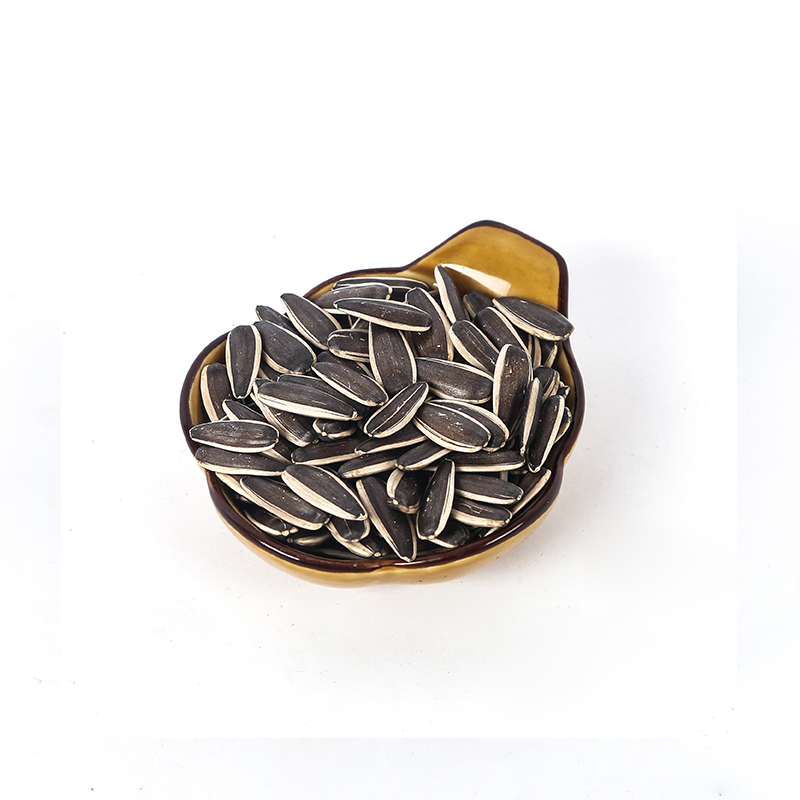
High quality flavoured sunflower seeds represent a significant segment within the broader snack food industry, positioned as a convenient, nutritious, and palatable offering. These seeds are not merely a commodity agricultural product; instead, they undergo extensive processing – including hulling, cleaning, sizing, flavouring, and packaging – to meet stringent consumer expectations for taste, texture, and safety. The technical position within the supply chain extends from agricultural production practices to sophisticated food processing technologies and rigorous quality control systems. Core performance characteristics are defined by seed size uniformity, oil content, flavour adherence, moisture control (influencing shelf-life and texture), and the absence of foreign materials. The industry currently faces challenges regarding consistent flavour delivery, minimizing acrylamide formation during roasting, and achieving optimal packaging to preserve freshness and prevent rancidity. Understanding the interplay between raw material characteristics, processing parameters, and packaging technology is critical for maintaining product superiority.
Material Science & Manufacturing
The foundational material, Helianthus annuus seeds, exhibits variability in oil content (38-58%), protein content (20-25%), and shell composition. The hull, consisting primarily of cellulose and lignin, must be effectively removed without damaging the kernel. Manufacturing begins with cleaning and foreign material removal utilizing a combination of screens, aspirators, and gravity separators. Kernel sizing is critical, with consistent sizing improving roasting uniformity and flavour coating adhesion. Flavouring application is a multi-stage process. Initially, a base coating (often a starch-based solution) is applied to enhance flavour adhesion. Subsequently, dry flavourings (salt, spices, MSG, flavour enhancers) are tumble-coated. Roasting, typically conducted using continuous fluid bed roasters, is paramount. Temperature control (140-180°C) and residence time (15-30 minutes) dictate the development of characteristic flavour compounds (pyrazines, furans) and achieve desired moisture content (2-4%). Over-roasting can lead to acrylamide formation and off-flavours. Cooling is rapid, often using air impingement, to halt the roasting process. Quality control measures at each stage – including moisture analysis (Karl Fischer titration), oil content determination (Soxhlet extraction), and flavour profile assessment (gas chromatography-mass spectrometry) – are essential. Packaging, usually in multi-layer films (PET/Al/PE) provides a barrier against oxygen, moisture, and light, crucial for preventing rancidity.
Performance & Engineering
Performance is significantly linked to seed coat integrity. Cracking during processing leads to flavour loss and reduced visual appeal. Force analysis demonstrates that compressive strength of the kernel influences processing efficiency; higher strength requires greater force during hulling and flavour coating application. Environmental resistance focuses primarily on shelf-life stability. Water activity (aw), typically below 0.6, must be maintained to inhibit microbial growth and lipid oxidation. Packaging oxygen transmission rate (OTR) and water vapour transmission rate (WVTR) are critical engineering parameters. Compliance requirements involve adherence to food safety regulations (FDA, EFSA), labelling standards (nutritional information, allergen declarations), and permissible levels of heavy metals and contaminants (lead, cadmium, aflatoxins). Functional implementation centers on flavour delivery and sensory attributes. The adhesion strength of the flavour coating, measured via tensile testing, impacts the consumer’s perceived flavour intensity. Textural analysis (hardness, crunchiness) using instruments like a texture analyzer determines the overall eating experience. The design of the flavour coating formulation – utilizing materials with varying particle sizes and wettability – is crucial for optimizing flavour distribution and retention.
Technical Specifications
| Parameter | Unit | Specification | Test Method |
|---|---|---|---|
| Kernel Size (Average Diameter) | mm | 14-16 | Sieve Analysis (ASTM E11) |
| Oil Content | % (dry basis) | 45-55 | Soxhlet Extraction (AOAC 920.39) |
| Moisture Content | % | 2-4 | Karl Fischer Titration (AOAC 978.18) |
| Flavour Coating Adhesion | N | >0.5 | Tensile Testing (ASTM D882) |
| Water Activity (aw) | - | <0.6 | Water Activity Meter (ASTM E337) |
| Peroxide Value (Indicator of Rancidity) | meq O2/kg | <10 | Titration Method (AOCS Cd 8-53) |
Failure Mode & Maintenance
Failure modes commonly observed include flavour coating delamination, kernel cracking, rancidity, and staling. Delamination occurs due to insufficient adhesion between the base coating and the flavouring, often exacerbated by high humidity or improper coating application. Kernel cracking results from excessive mechanical stress during hulling or roasting. Rancidity, a primary cause of product rejection, stems from lipid oxidation, accelerated by oxygen exposure, light, and elevated temperatures. Staling, manifested as a loss of crispness, is associated with moisture regain. Preventative maintenance of processing equipment (roasters, coating drums, packaging machines) is critical. This includes regular cleaning, lubrication, and component replacement. Roaster temperature calibration and control system verification are essential to minimize acrylamide formation. Packaging integrity checks (seal strength, leak testing) are vital for maintaining shelf-life. Storage conditions – maintaining cool, dry environments and protecting from direct sunlight – significantly impact product stability. Routine quality control sampling and analysis (oil peroxide value, flavour profile) are crucial for early detection of degradation and prompt corrective action.
Industry FAQ
Q: What are the critical factors controlling acrylamide formation during the roasting process?
A: Acrylamide formation is primarily influenced by roasting temperature, time, and seed moisture content. Higher temperatures and longer roasting times generally lead to increased acrylamide levels. Maintaining a low seed moisture content prior to roasting and optimizing roasting parameters to minimize the Maillard reaction (the chemical reaction between amino acids and reducing sugars) are key mitigation strategies. Pre-treatment methods like vacuum cooling can also reduce acrylamide precursors.
Q: How does the choice of packaging material impact shelf-life, and what are the key barrier properties to consider?
A: Packaging material significantly influences shelf-life by controlling the ingress of oxygen and moisture, and protecting against light. Key barrier properties include oxygen transmission rate (OTR), water vapour transmission rate (WVTR), and light barrier properties. Multi-layer films consisting of PET, Aluminium foil, and Polyethylene (PET/Al/PE) are commonly used due to their excellent barrier properties. Modified Atmosphere Packaging (MAP) with nitrogen flushing can further extend shelf-life by reducing oxygen levels within the package.
Q: What quality control tests are essential for ensuring consistent flavour profile and minimizing batch-to-batch variation?
A: Essential quality control tests include flavour profile assessment using sensory panels, gas chromatography-mass spectrometry (GC-MS) to quantify key flavour compounds, moisture content analysis (Karl Fischer titration), and oil content determination (Soxhlet extraction). Statistical Process Control (SPC) charts should be used to monitor key parameters and identify potential deviations from target values. Regular calibration of analytical instruments is also crucial.
Q: What are the common causes of flavour coating delamination, and how can they be prevented?
A: Flavour coating delamination can be caused by insufficient adhesion between the base coating and the flavouring, high humidity, improper coating application (uneven distribution, insufficient drying), or surface contamination on the kernels. Prevention involves optimizing the base coating formulation (adhesive strength, viscosity), ensuring proper drying of the base coating, controlling humidity levels during flavouring, and implementing rigorous cleaning procedures to remove surface contaminants.
Q: What is the role of seed size uniformity in the overall manufacturing process and final product quality?
A: Seed size uniformity is crucial for consistent roasting, flavour coating adhesion, and overall product appearance. Uniform size ensures that all kernels are exposed to the same roasting conditions, minimizing the risk of under- or over-roasting. It also optimizes flavour coating application, ensuring even flavour distribution. Sieving and grading of kernels prior to processing are essential for achieving desired size uniformity.
Conclusion
The production of high quality flavoured sunflower seeds is a complex process demanding meticulous control over raw material characteristics, manufacturing parameters, and packaging technologies. Optimizing these elements is essential for delivering a consistent, flavorful, and shelf-stable product that meets evolving consumer preferences. Success relies on a comprehensive understanding of material science, engineering principles, and adherence to stringent quality control standards.
Future advancements will likely focus on developing novel flavour delivery systems, improving processing efficiency to minimize acrylamide formation, and utilizing sustainable packaging materials to reduce environmental impact. Continuous monitoring of industry regulations and consumer trends will be critical for maintaining a competitive advantage in this dynamic market.
