Introduction
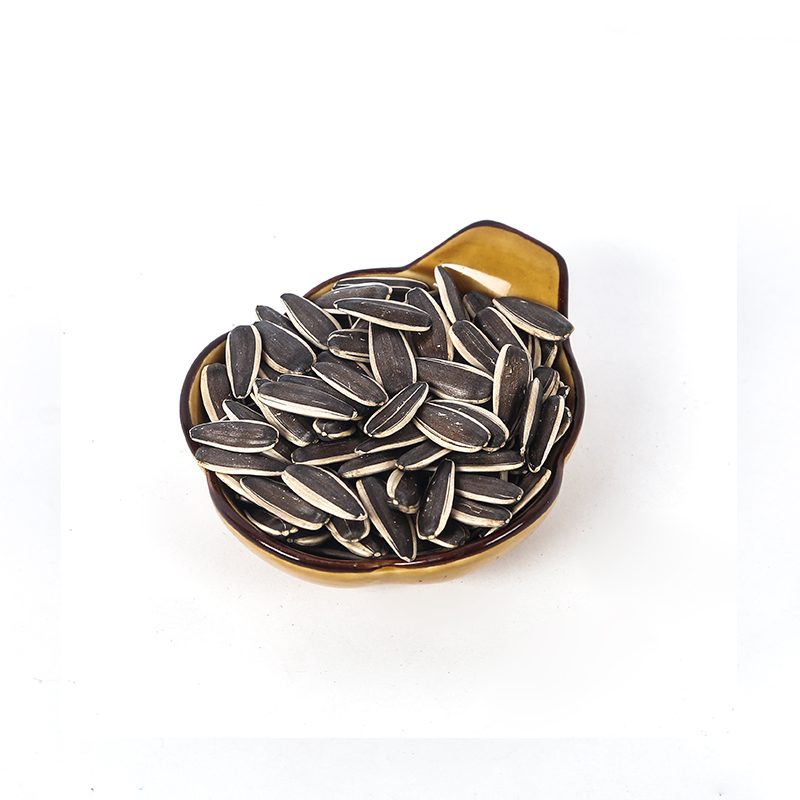
High quality five flavors sunflower seeds represent a sophisticated segment within the broader snack food industry. Positioned as a premium confectionary product, these seeds undergo specialized processing to deliver a complex flavor profile – typically encompassing salty, sweet, spicy, savory, and umami notes. This guide provides a comprehensive technical overview, detailing the material science behind seed selection and processing, the engineering considerations for flavor adhesion and stability, the relevant quality control parameters, potential failure modes affecting shelf life and organoleptic properties, and applicable international standards. A key challenge facing manufacturers is achieving consistent flavor distribution, maintaining kernel integrity, and preventing rancidity. Understanding the interplay between raw material characteristics, processing parameters, and packaging technology is crucial for producing a high-quality, consistently palatable product that meets consumer expectations and regulatory requirements.
Material Science & Manufacturing
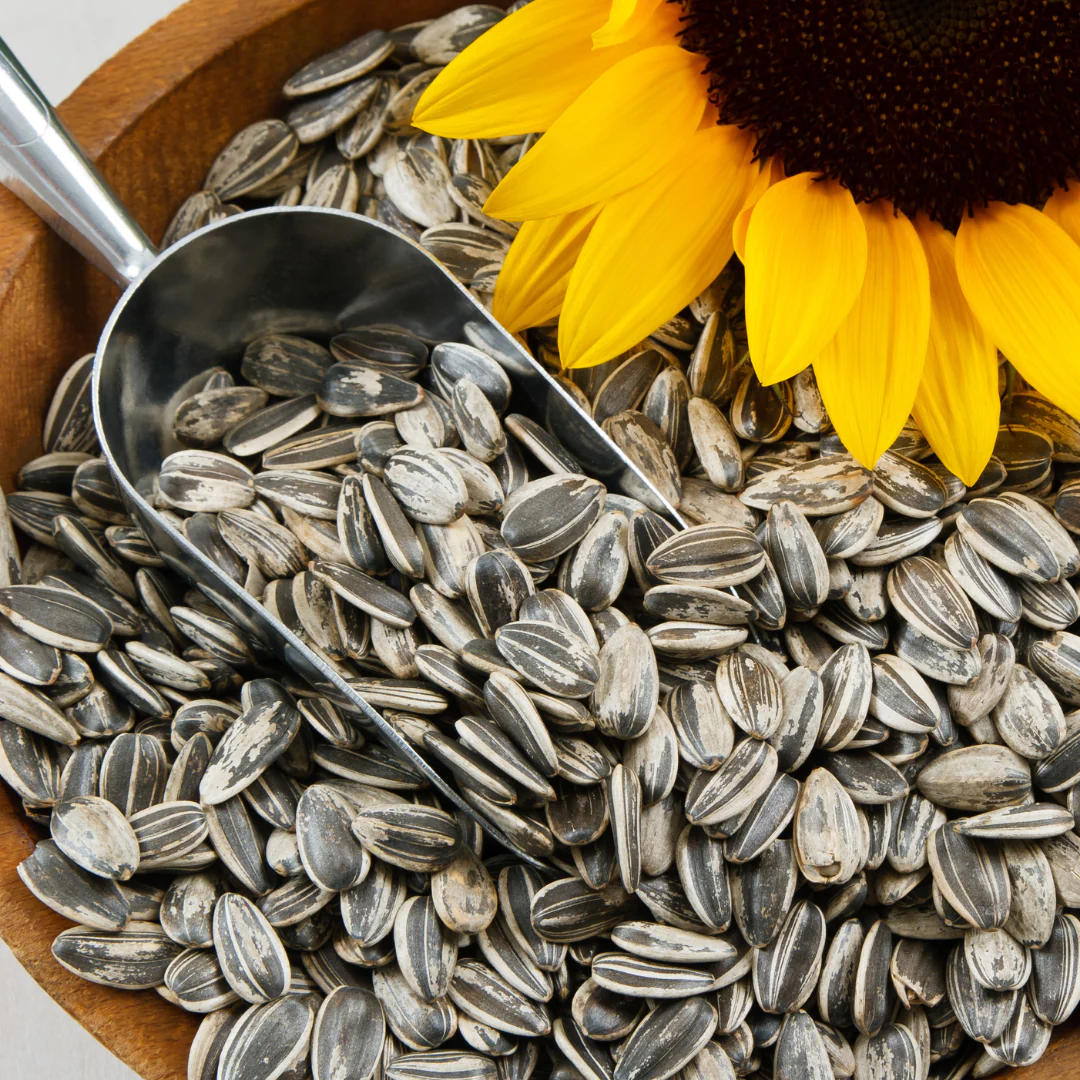
The foundation of high quality five flavors sunflower seeds lies in the initial seed selection. Kernels derived from Helianthus annuus are evaluated based on size (typically 16-20mm length), moisture content (6.5-8.5%), oil content (42-52% by weight – linoleic acid being the dominant fatty acid at 60-75%), and absence of damage or disease. Seed quality directly impacts flavor adhesion and subsequent shelf life. The flavoring process begins with de-hulling and winnowing to remove chaff and other debris. A crucial step is pre-treatment, often involving a light roasting (80-120°C for 10-20 minutes) to reduce moisture and develop a slightly porous surface for enhanced flavor absorption. The ‘five flavors’ typically comprise a carefully balanced blend of ingredients: sugar (sucrose, dextrose), salt (sodium chloride), chili powder (capsaicin content being a critical control parameter), savory spices (monosodium glutamate, hydrolyzed vegetable protein), and a proprietary umami component (disodium inosinate/guanylate). Flavor adhesion is achieved through a multi-stage coating process. First, a binding agent – often a modified starch or maltodextrin solution – is applied. This is followed by sequential application of the dry flavor blend, utilizing rotating drum coaters or fluidized bed systems. Precise control of drum speed, coating solution viscosity, and spray nozzle parameters is essential to ensure uniform coverage and minimize dusting. Finally, a light oil coating (sunflower oil, canola oil) is applied to enhance gloss and prevent clumping. Drying is performed under controlled temperature and humidity to remove residual moisture and lock in the flavors.
Performance & Engineering
The performance of these sunflower seeds is evaluated across several key parameters. Firstly, flavor adhesion strength is assessed using a shear force test, quantifying the force required to remove the coating. Target values typically range from 0.5-1.0 N. Secondly, moisture content must be maintained below 3% to prevent microbial growth and rancidity. Water Activity (Aw) is a critical metric, ideally below 0.6. Thirdly, the seeds must withstand the rigors of packaging, transportation, and handling without significant kernel breakage (assessed through a sieve analysis – percentage of broken kernels should be <5%). Environmental resistance is paramount. Exposure to elevated temperatures (simulating summer conditions) and humidity (simulating tropical climates) can accelerate lipid oxidation and flavor degradation. Accelerated shelf-life testing (storage at 37°C and 75% RH for 4-8 weeks) is employed to predict product stability. Compliance requirements include adherence to food safety regulations (HACCP, GMP), allergen labeling requirements, and limits on heavy metal contaminants (lead, cadmium, arsenic). The engineering of the flavoring process requires meticulous control of airflow, temperature gradients, and coating solution properties to ensure uniformity and minimize waste. Finite element analysis (FEA) can be utilized to optimize coating drum geometry and impeller design for enhanced mixing efficiency and reduced mechanical stress on the kernels.
Technical Specifications
| Parameter | Specification | Test Method | Tolerance |
|---|---|---|---|
| Kernel Moisture Content | ≤ 3.0% | Oven Drying (AOAC 925.10) | ± 0.2% |
| Oil Content | 42-52% (by weight) | Soxhlet Extraction (AOAC 920.39) | ± 2% |
| Flavor Adhesion Strength | 0.5 - 1.0 N | Shear Force Analysis | ± 0.1 N |
| Water Activity (Aw) | ≤ 0.6 | Water Activity Meter | ± 0.02 |
| Broken Kernel Percentage | < 5% | Sieve Analysis | ± 1% |
| Peroxide Value (PV) | < 5 meq O2/kg | Titration (AOCS Cd 8-53) | ± 0.5 meq O2/kg |
Failure Mode & Maintenance
Several failure modes can compromise the quality of five flavors sunflower seeds. Rancidity, caused by lipid oxidation, is a primary concern, leading to off-flavors and reduced shelf life. This is exacerbated by exposure to oxygen, light, and elevated temperatures. Kernel cracking during processing or handling can expose the seed to moisture and accelerate degradation. Flavor dusting or loss of adhesion can occur due to insufficient binding agent, improper coating parameters, or mechanical abrasion. Microbial contamination, while relatively rare due to the low water activity, can lead to spoilage and pose a health risk. Maintenance of optimal storage conditions is crucial. Seeds should be stored in airtight, moisture-proof packaging, protected from direct sunlight and extreme temperatures. Nitrogen flushing of packaging can further reduce oxygen levels and inhibit oxidation. Implementing a robust quality control program, including regular monitoring of moisture content, peroxide value, and sensory attributes, is essential for detecting and addressing potential issues promptly. First-in, first-out (FIFO) inventory management ensures that older batches are utilized before newer ones, minimizing the risk of exceeding shelf life. Regular cleaning and sanitization of processing equipment are vital to prevent microbial contamination.
Industry FAQ
Q: What is the optimal oil-to-flavor ratio for maximizing flavor adhesion and minimizing oil migration?
A: The optimal ratio typically falls between 2-4% oil content (by weight) to 8-12% flavor coating weight. Higher oil content can improve adhesion but also increases the risk of oil migration and a greasy mouthfeel. Using a refined, neutral-flavored oil with a high smoke point is crucial. Careful control of the oil spray rate and nozzle parameters during coating is also essential.
Q: How do different types of salt (e.g., sea salt, table salt) affect the flavor profile and moisture absorption?
A: Sea salt, with its larger crystal size and mineral content, provides a more pronounced salty taste and a slightly coarser texture. Table salt, being finer, dissolves more readily and contributes to a more uniform saltiness. However, table salt is also more hygroscopic and can absorb moisture from the surrounding environment, potentially leading to clumping and reduced shelf life.
Q: What are the key considerations for packaging material selection to prevent rancidity and maintain flavor integrity?
A: Multi-layer films incorporating a metallic layer (aluminum foil) and a high-barrier polymer (EVOH) are recommended to minimize oxygen and moisture permeation. The packaging material should also be opaque to protect against light-induced oxidation. Nitrogen flushing prior to sealing further reduces oxygen levels. The seal integrity of the packaging is paramount to prevent air ingress.
Q: What analytical techniques are used to assess the effectiveness of antioxidant additives in preventing lipid oxidation?
A: The Peroxide Value (PV) is a primary indicator of initial oxidation. The p-Anisidine Value (AV) measures the concentration of secondary oxidation products. Gas Chromatography-Mass Spectrometry (GC-MS) can be used to identify and quantify specific oxidation products. Sensory evaluation (taste and odor assessment) is also crucial for detecting subtle changes in flavor.
Q: How does the initial moisture content of the sunflower seeds impact the final product quality and shelf life?
A: The initial moisture content significantly impacts the final product quality. Higher moisture content promotes microbial growth and accelerates lipid oxidation. Insufficiently dried seeds will result in a shorter shelf life and an increased risk of spoilage. Conversely, overly dried seeds can become brittle and prone to cracking. Maintaining the optimal moisture content (6.5-8.5% pre-roasting, ≤3% post-coating) is critical for product stability.
Conclusion
The production of high-quality five flavors sunflower seeds is a complex process requiring meticulous attention to detail at every stage, from raw material selection to packaging. Achieving consistent flavor adhesion, preventing rancidity, and maintaining kernel integrity are critical challenges. A thorough understanding of material science, processing parameters, and quality control methods is essential for manufacturers seeking to deliver a premium product that meets consumer expectations.
Future trends in this sector will likely focus on utilizing advanced coating technologies (e.g., electrostatic spraying) to enhance flavor uniformity and reduce waste, developing novel antioxidant systems to extend shelf life, and exploring sustainable packaging materials to minimize environmental impact. Continuous monitoring of key performance indicators and adherence to stringent quality standards will remain paramount for ensuring consistent product quality and maintaining a competitive edge.
